Where the entry sequence is breaking down
Tell us what happens when someone tries to enter, when the door closes and when a person exits. Those observations help us prepare; the installed equipment and door still need to be checked.
The reader or keypad responds, but the door will not release
We check the reader response, electric locking hardware, lock-to-strike relationship and relevant power or control interface. We also inspect whether the door is binding or out of alignment before deciding which component needs work.
The door closes, but the lock does not engage reliably
We inspect closing movement, latch contact, electric strike or magnetic lock where fitted, and how the locking hardware sits on the door and frame. The proposed repair addresses the confirmed fault and the condition of the opening.
The release device or part of the system has stopped responding
We review the request-to-exit device, identifiable system components and relevant wiring or control conditions within the agreed scope. Send the make or model if it is visible without removing a cover.
Repair a component or plan an upgrade
A failed component may be replaced while the rest of an identifiable, serviceable system stays in use. Compatibility depends on the installed reader, electric locking, controls, power interface and door preparation.
A wider replacement or upgrade may be appropriate when compatible parts are unavailable, equipment no longer suits the door or the required access arrangement has changed. We explain which components can remain and which need to be included in the work.
Installing access control on a commercial door
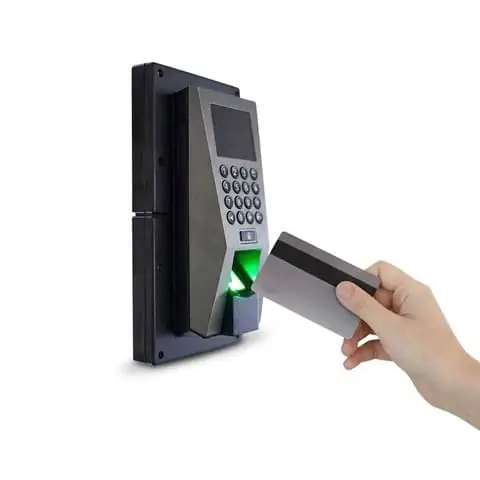
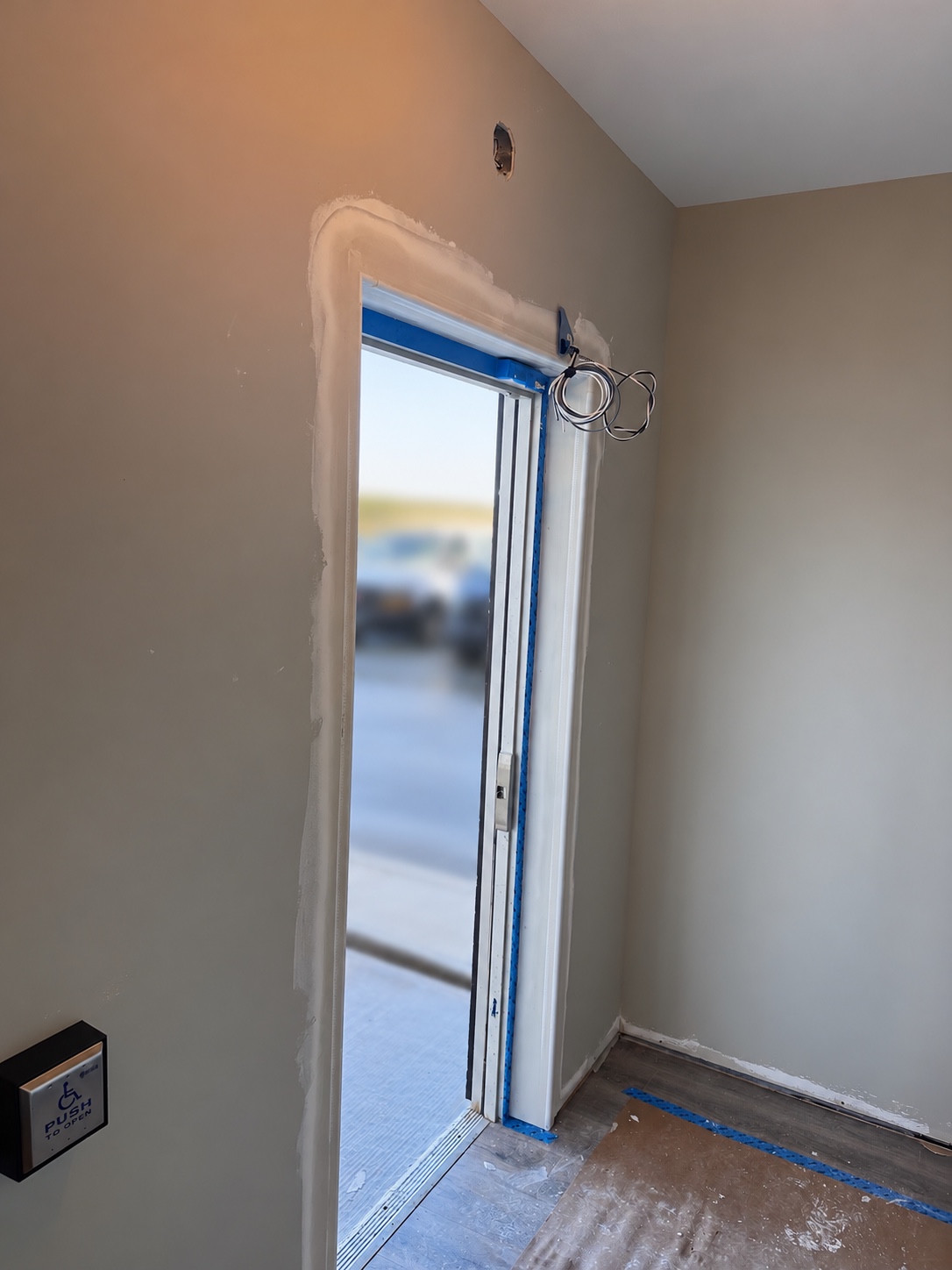
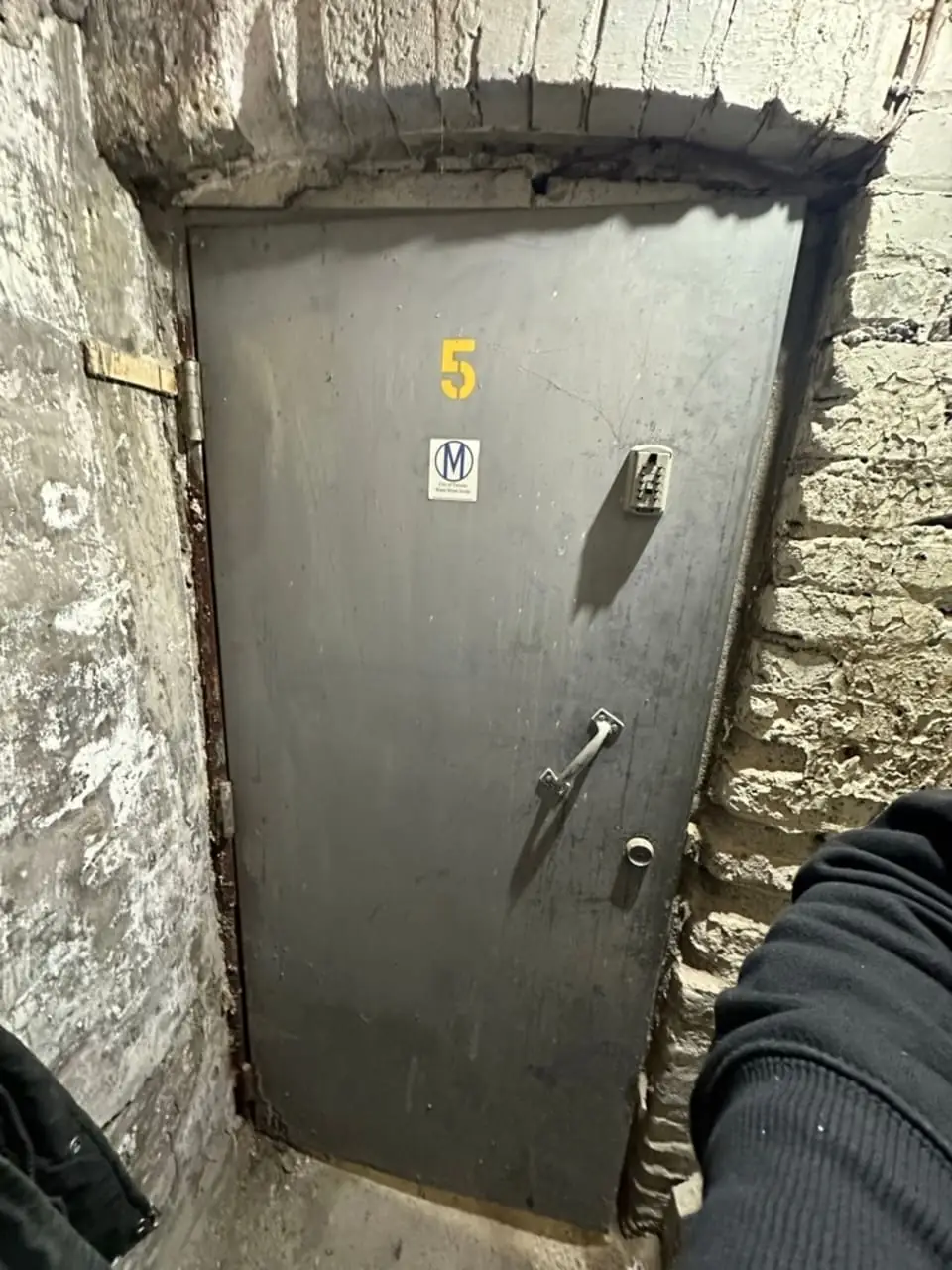
For a new installation, tell us how the opening is used, how many doors are involved and what entry method you want. We review the door and frame, lock preparation, reader location, electric locking and release requirements before defining compatible hardware.
Identify any existing system provider and any required software, network, account or ongoing-support work at the start. The equipment and functions included in our work need to be agreed specifically; a door-hardware installation quote should not be treated as approval for every feature of a wider building system.
- We check the door, frame, closer and mechanical lock before selecting electric hardware.
- We identify compatible readers, electric locks and request-to-exit devices for the intended entry and release arrangement.
- We review the relevant controller, power and wiring interfaces and identify any separate system-provider work.
- We check controlled entry, release, closing and latching together after the agreed installation.
When the main problem is in the door or mechanical hardware
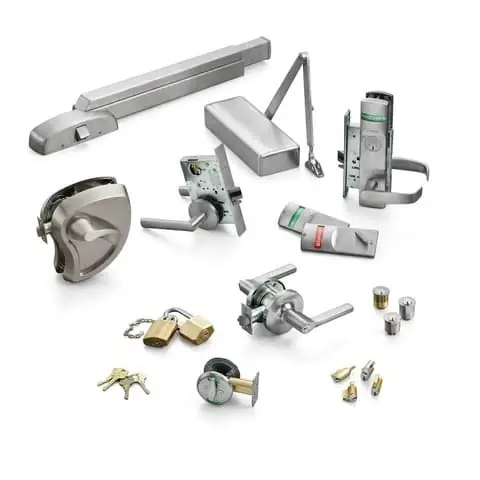
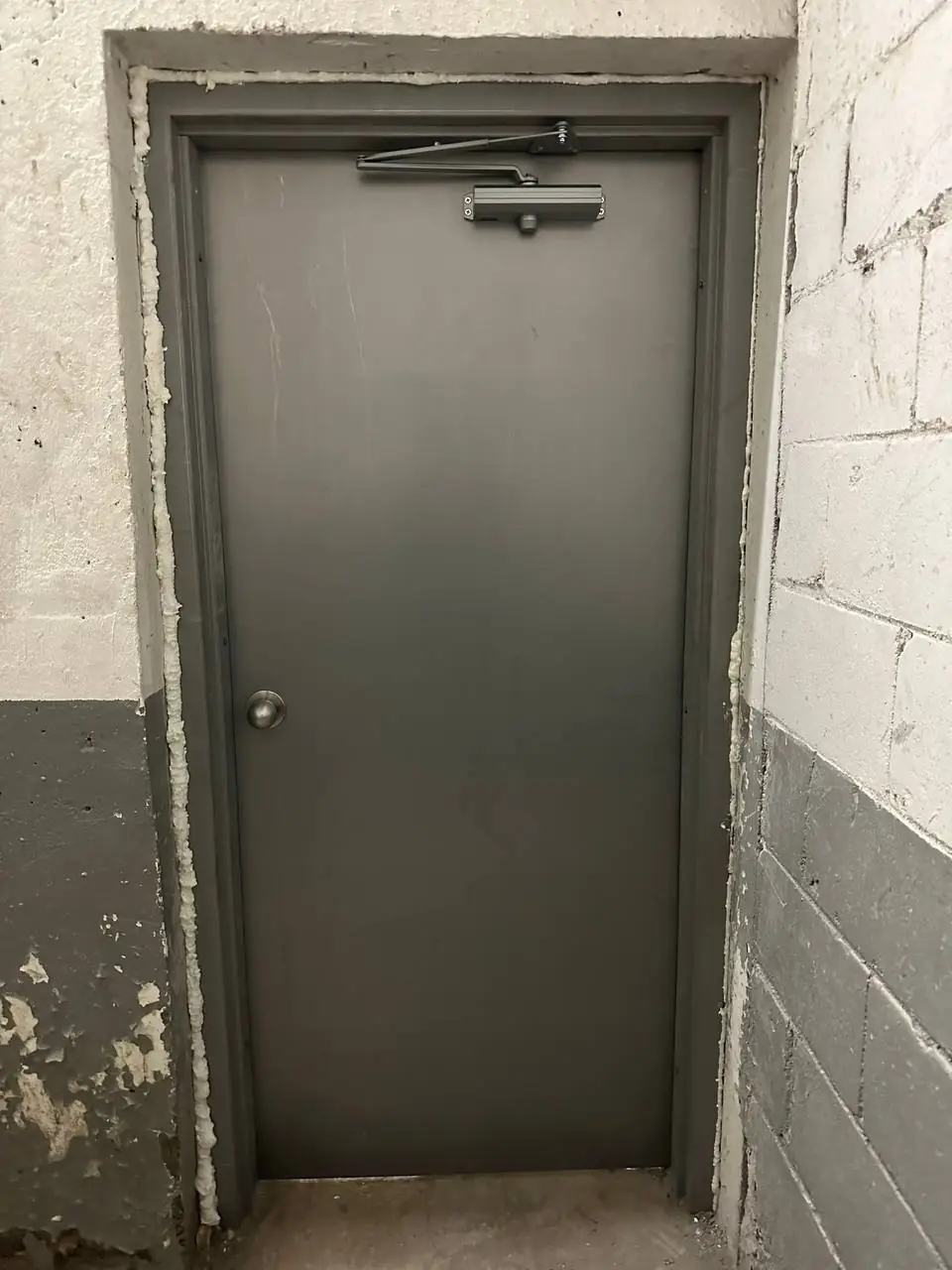
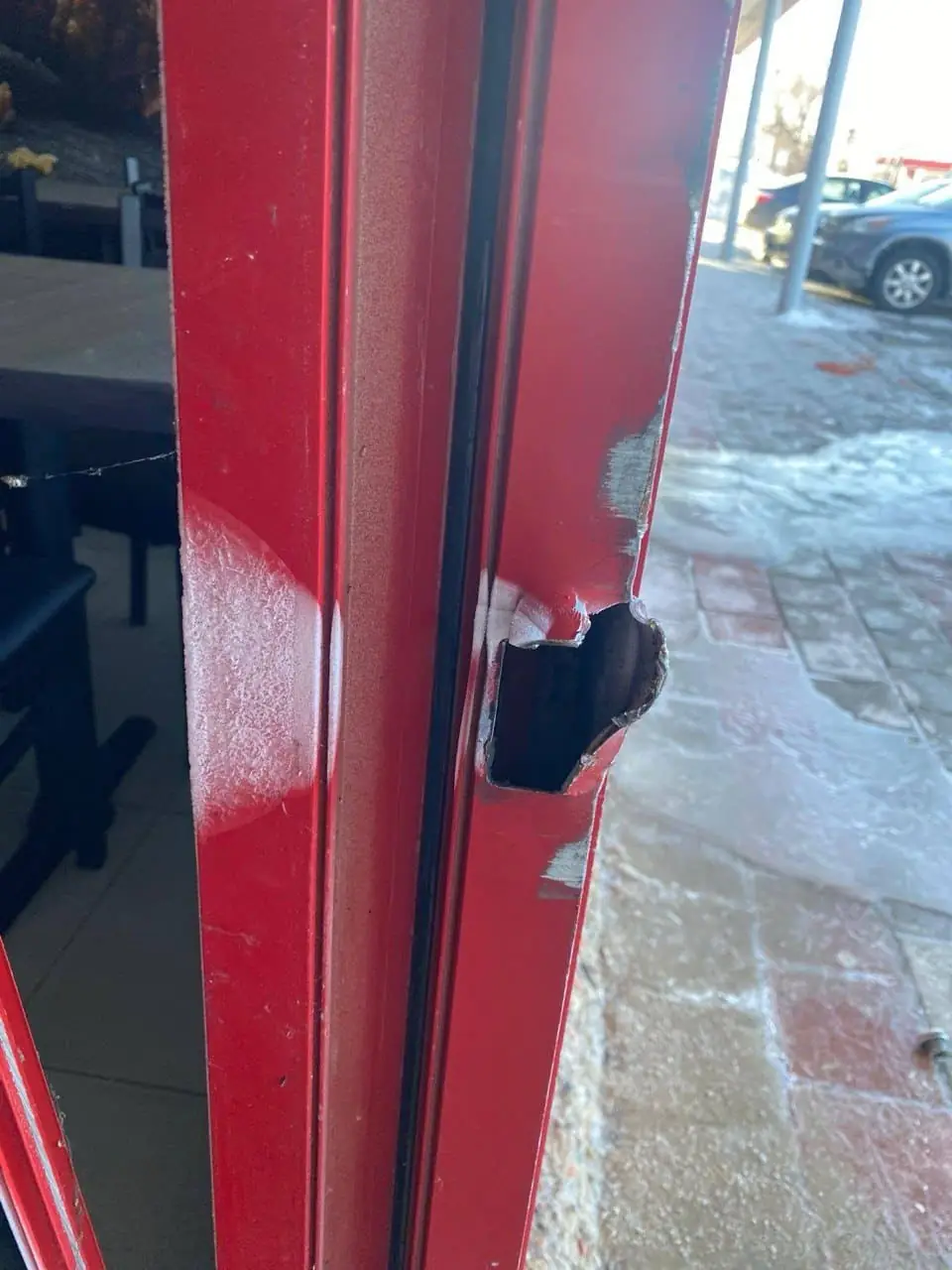
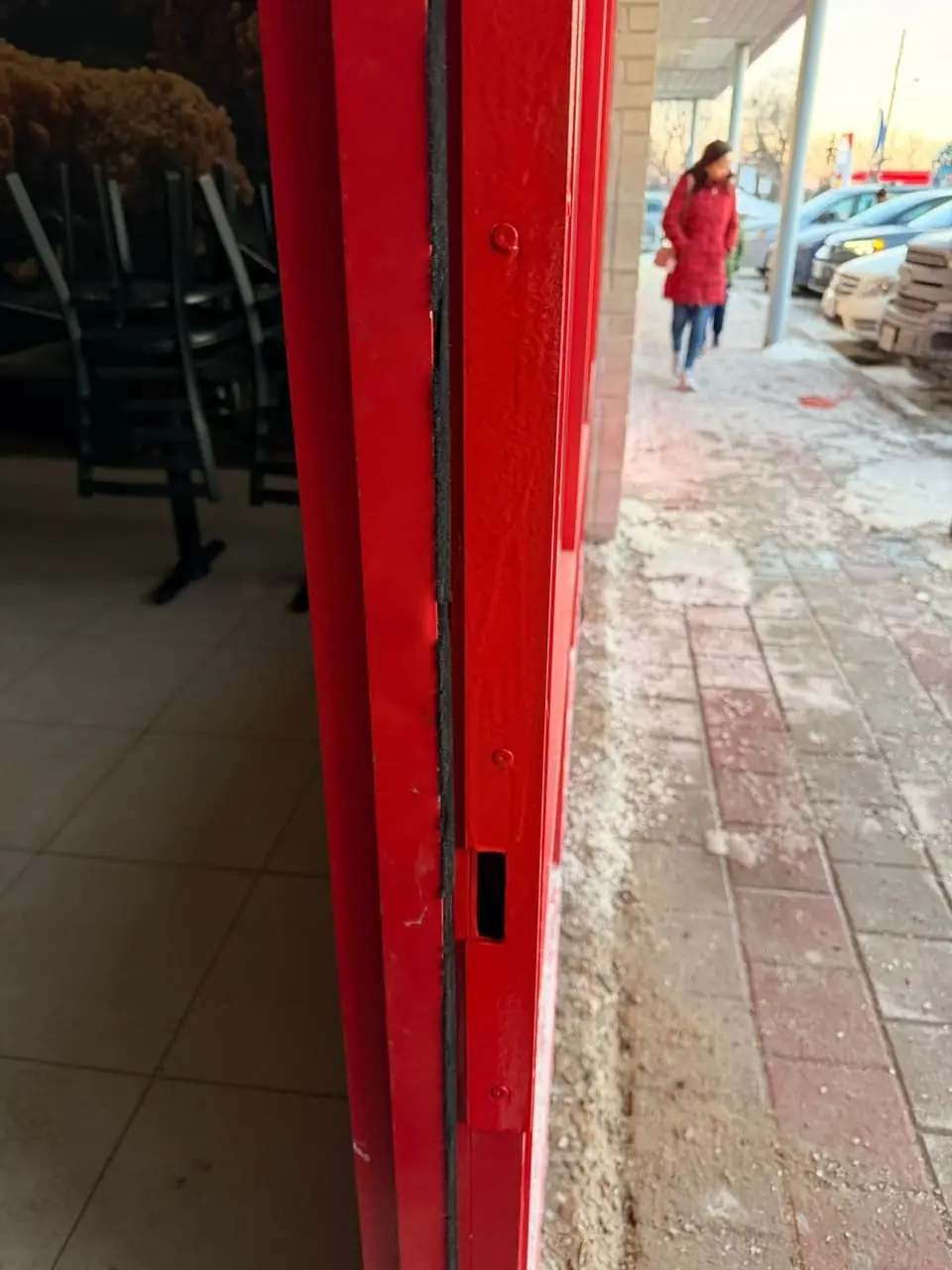
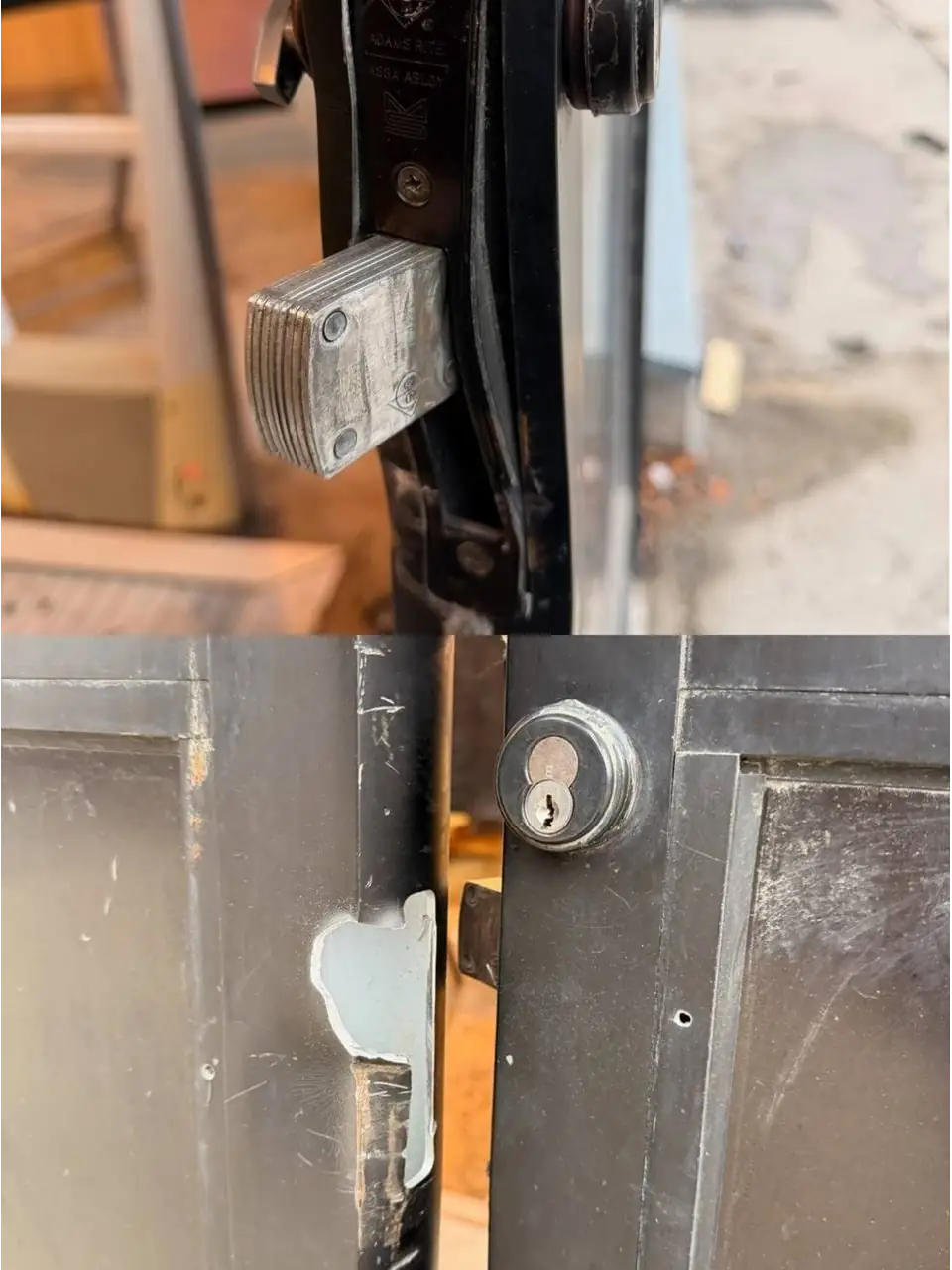
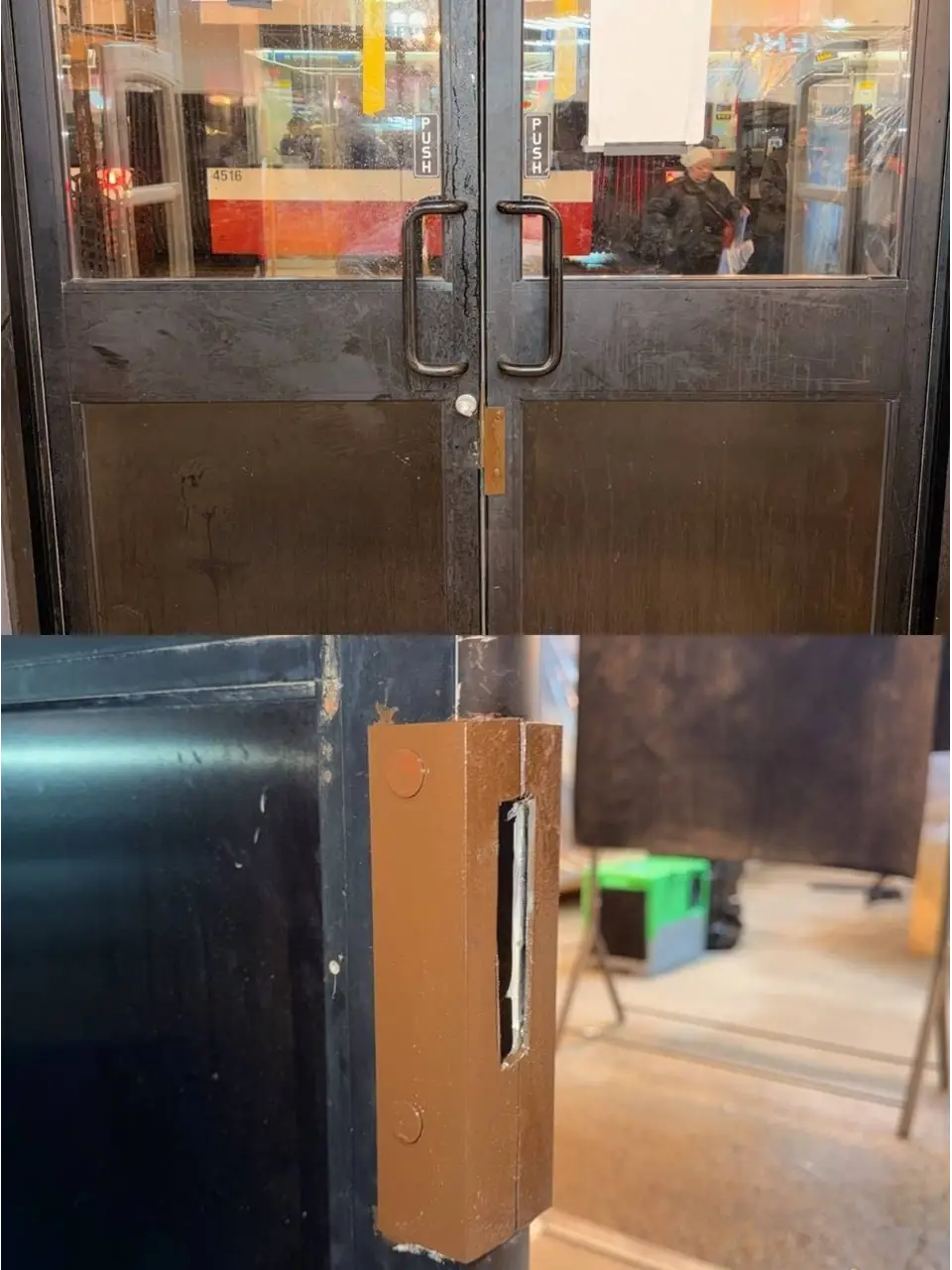
We also provide commercial lock repair for conventional cylinders and mortise locks. If a controlled door sags or fails to reach the latch, we check its alignment and closer alongside the access hardware.
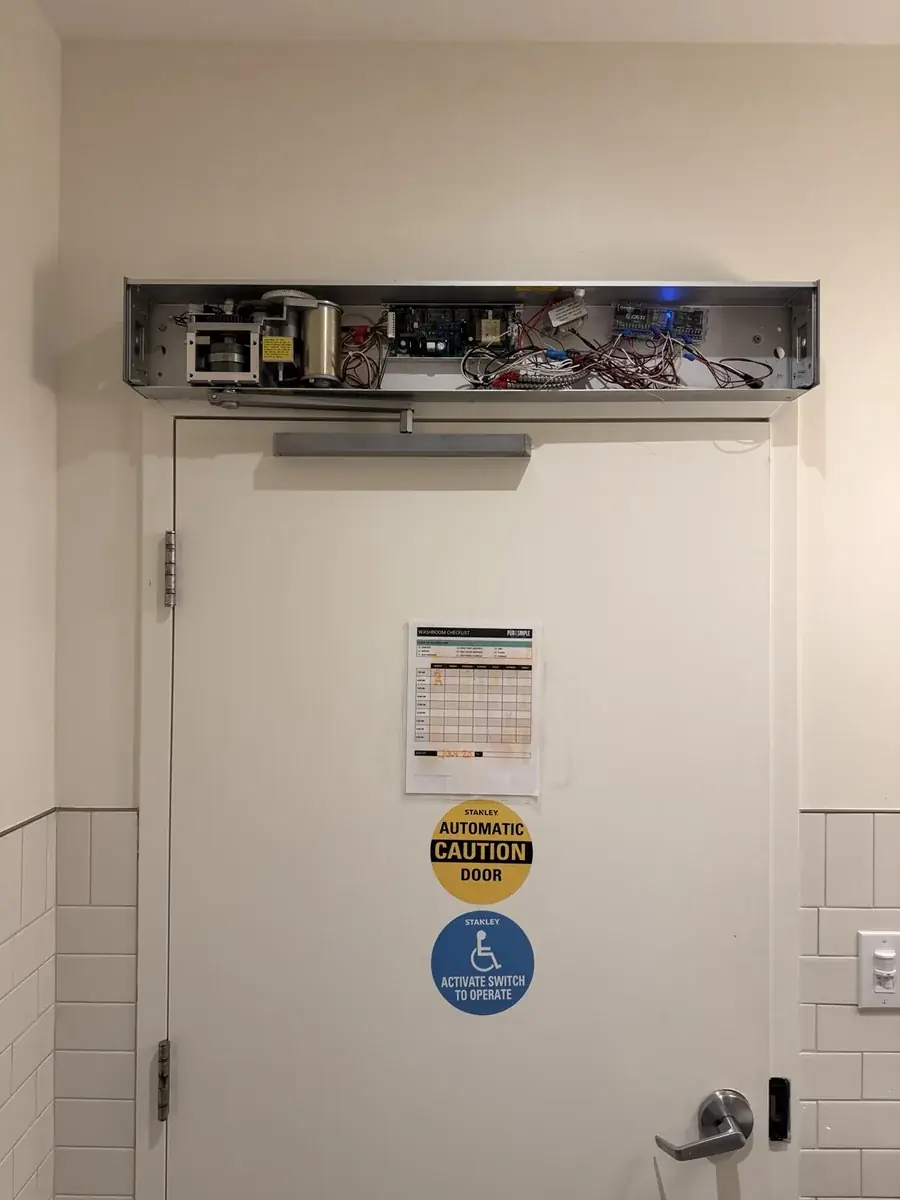
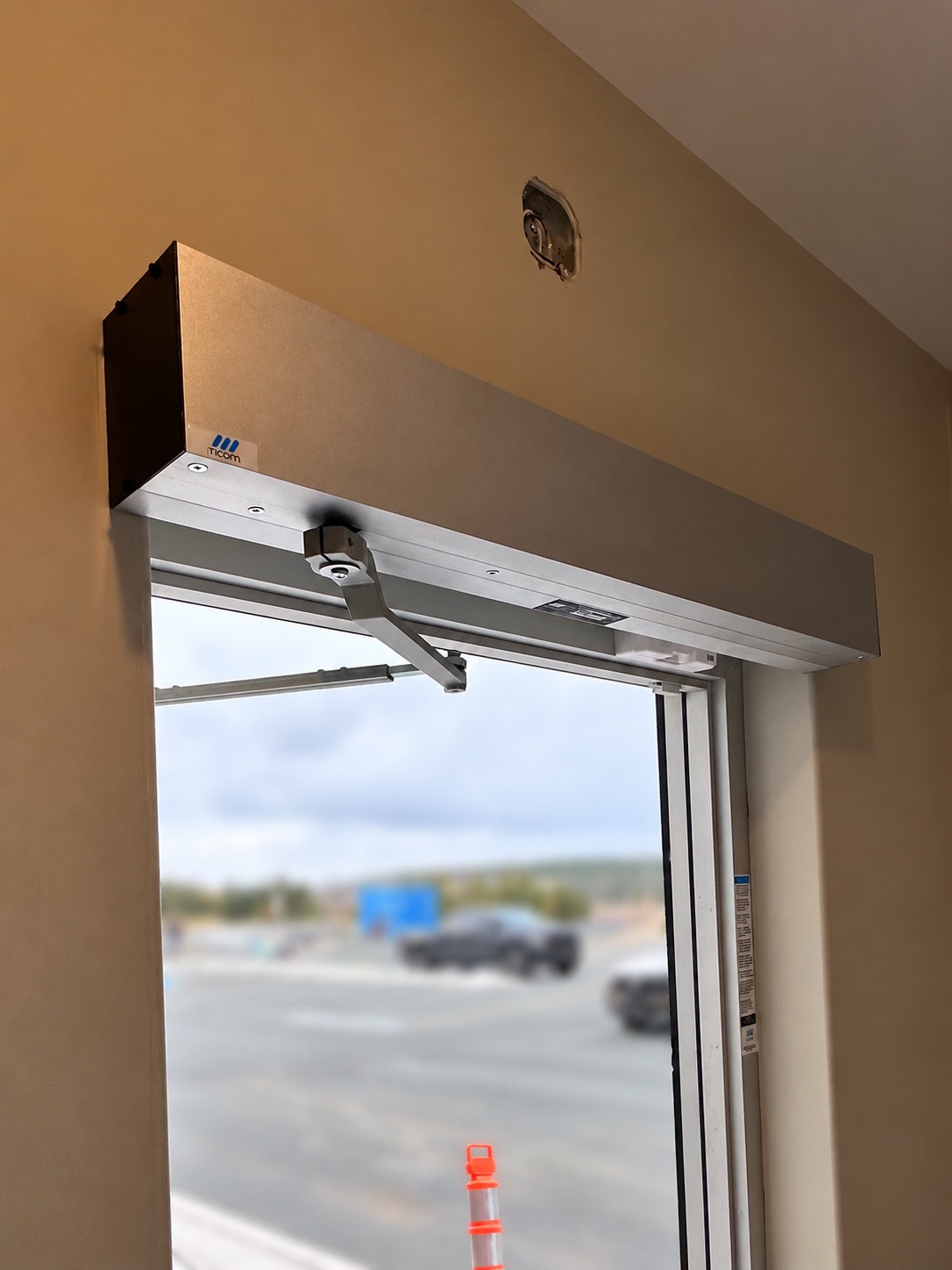
Exit devices and automatic swing operators also have their own operating requirements. We identify these connected parts of the opening so the approved work can address the complete entry and release sequence.
What determines the work and timing
Replacing one compatible reader is a different job from changing electric locking or installing hardware on several doors. System identification, parts availability, door and frame condition, wiring or control requirements and site access all affect the scope.
Share operating hours, the affected doors and whether another entrance is available. Any preparation, additional system-provider involvement and ordered components need to be accounted for when the work is planned.
From system identification to the final door check
- Describe the fault or the new access requirement
Send whole-door photos, accessible reader and locking-hardware photos, any safely visible make or model, and a short description of what happens. Have an authorized property contact make the request.
- Check the opening and installed components
We inspect the door fit, mechanical lock relationship, electric locking, reader and release hardware, together with relevant power and control conditions.
- Agree the compatible work and price
We explain the repair, component replacement, upgrade or installation and which existing parts can stay. We confirm the price, parts timing and any separate door, software, network or system-provider work before you approve the job.
- Complete the work, test and explain operation
We carry out the approved hardware work and check entry, release, closing, latching and door operation. We demonstrate the functions included in the work and explain any remaining system-provider or separate work to the authorized property contact.
Mechanical exit-device installation · Brock Township
Related work: exit hardware on an existing metal door
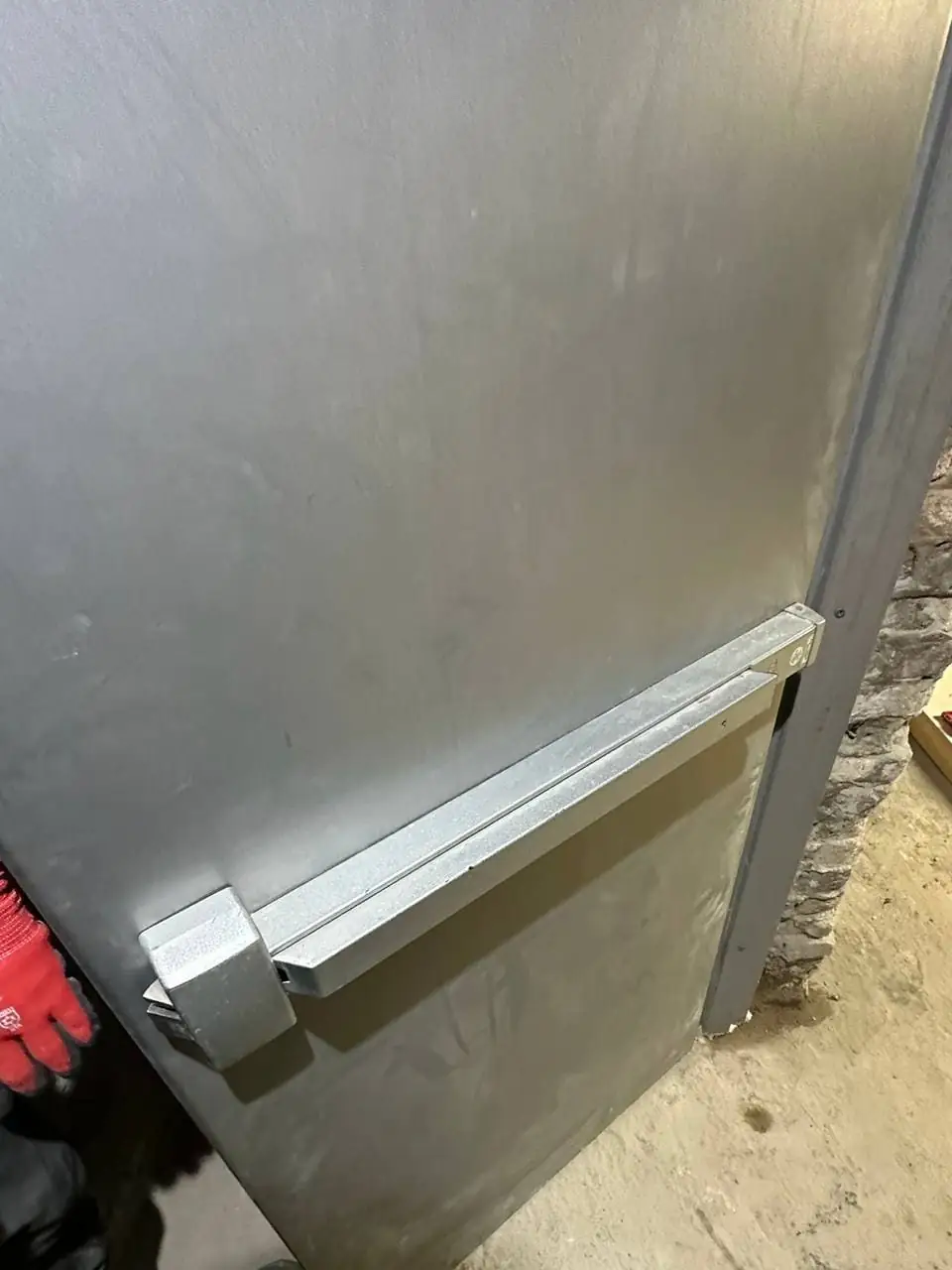
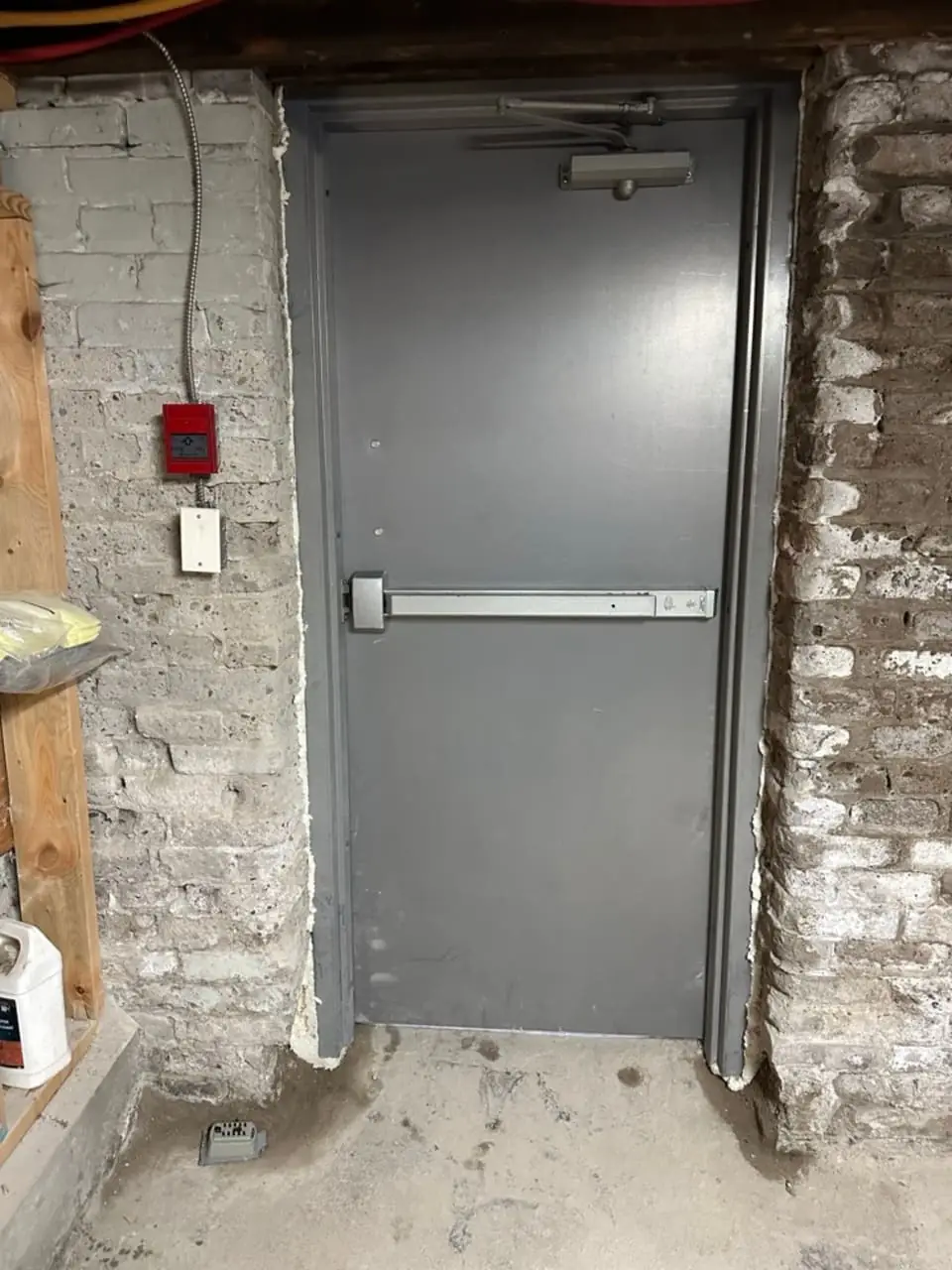
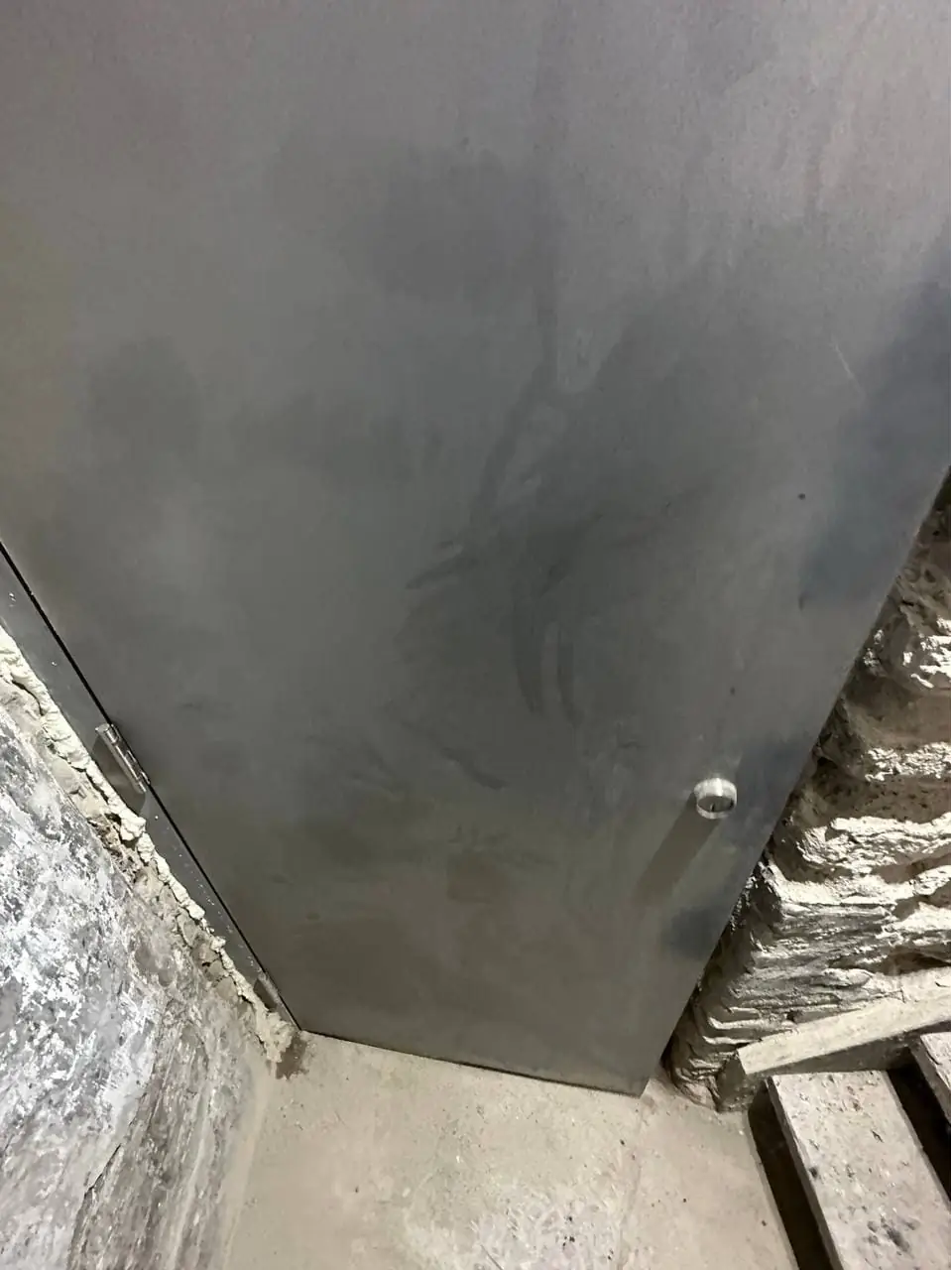
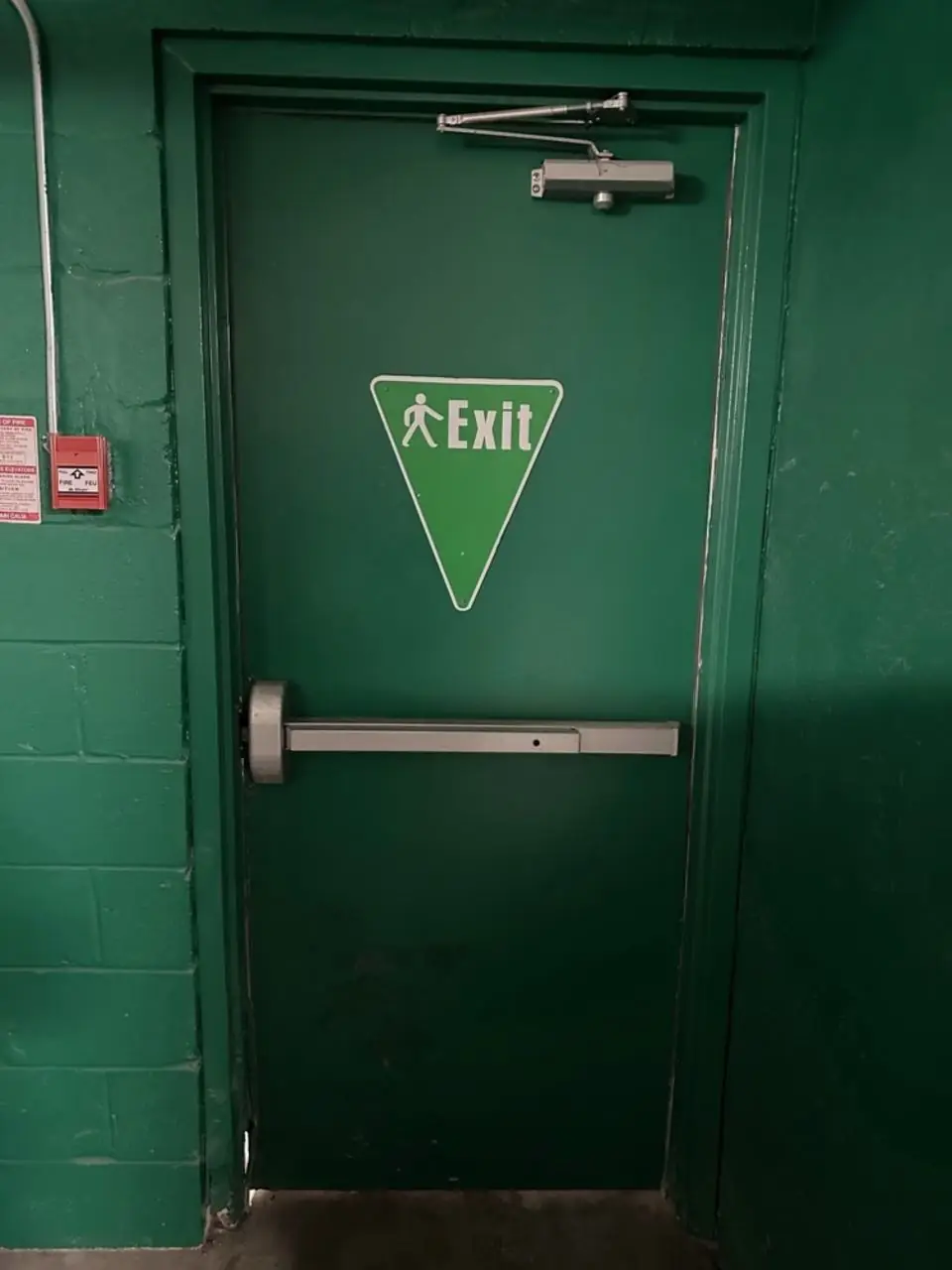
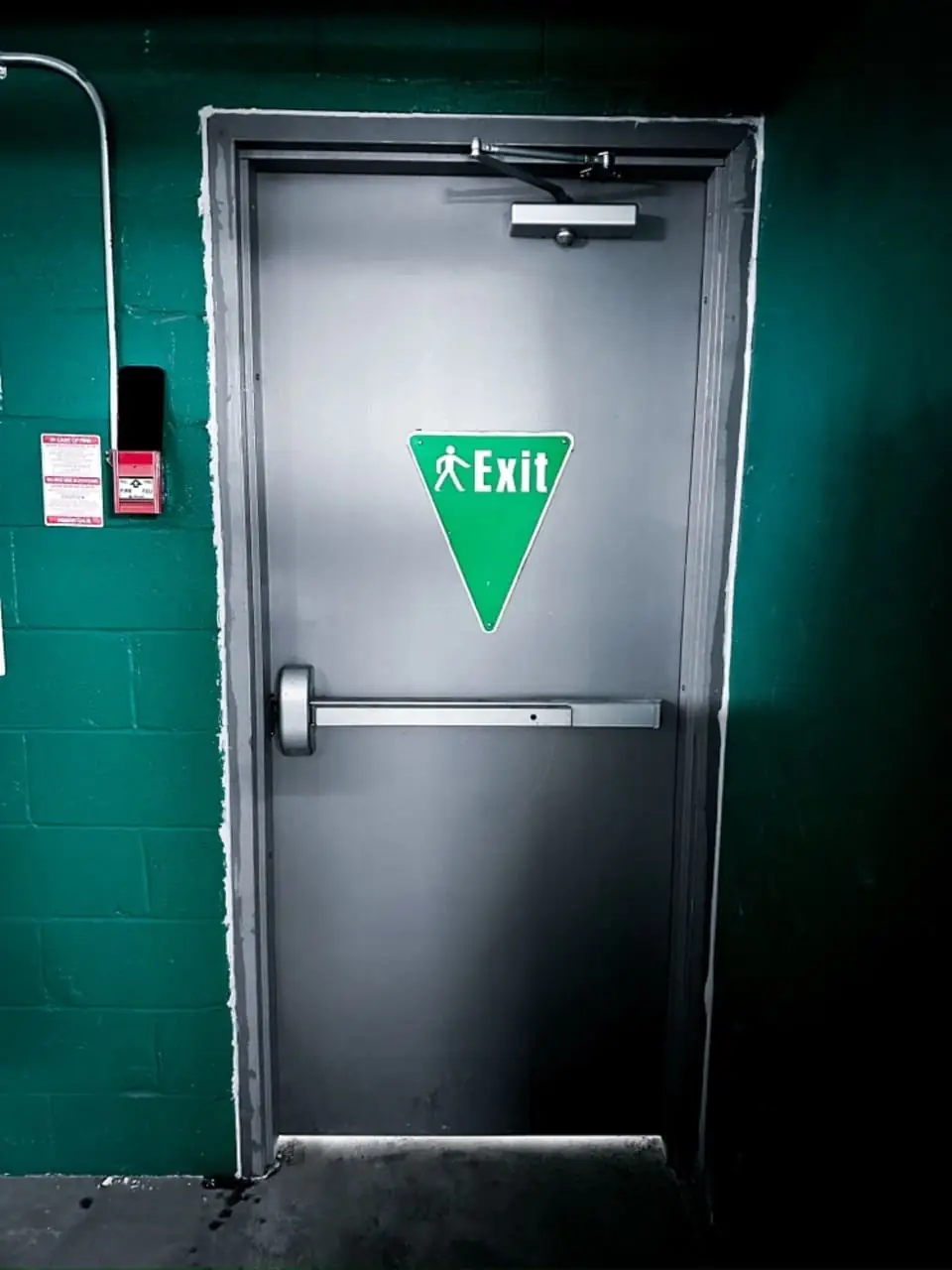
At a Brock Township property, we installed a push-bar exit device on an existing metal door. The work included preparing the mounting, fitting the device, adjusting the exterior lever and locking relationship, and checking operation from inside.
This project shows mechanical exit-hardware work. An access-control installation also requires its own assessment of the electric locking, reader and release arrangement.
Push Bar Added to a Metal Exit Door in Brock Township
We added a push-bar exit device to an existing metal door in Brock Township for single-motion exit from inside while retaining controlled exterior access.
Brock Township
See the Brock Township exit-hardware project →