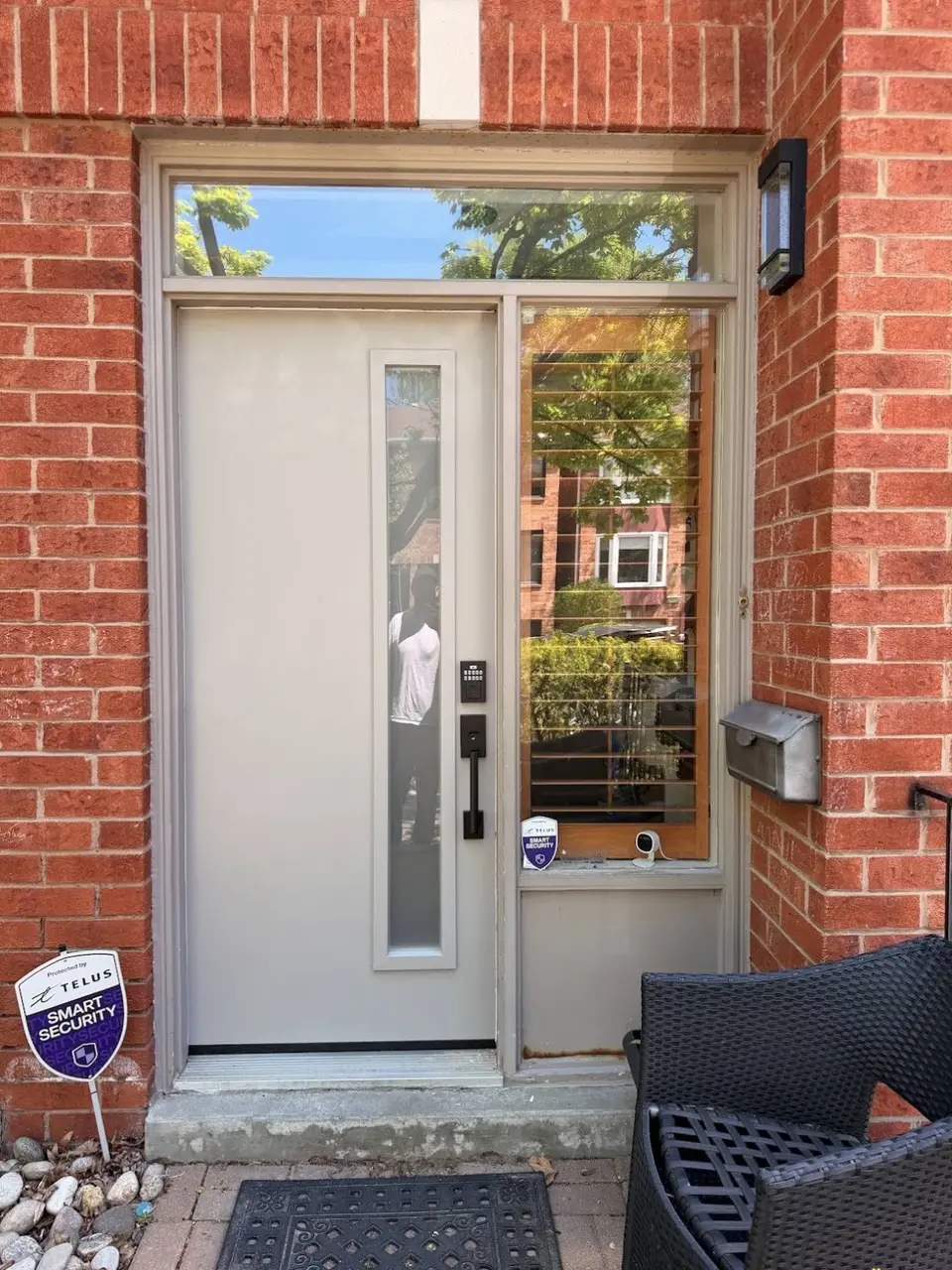
Rain entering around a window? Find the entry path first
Water near a window during rain may come from a separated perimeter joint, flashing, the window assembly or surrounding wall and roof details. We assess the accessible area to identify whether the window’s sealant is part of the problem before recommending work.
When we identify a suitable failed silicone joint, we remove the failed material as required, prepare the joint and apply compatible replacement sealant. We explain any separate leak concern because sealing one joint does not address every possible source of water entry.
Where does the air or water appear?
Tell us whether the gap is around the moving sash or door edge, at the bottom of the door, or where the frame meets the surrounding wall. Mention whether water follows rain and whether the opening has become harder to close.
When fog is trapped between glass panes, we assess the sealed glass unit; perimeter caulking will not repair its internal seal. Water on a room-side surface, water entering around a frame and a worn moving seal can require different work.
Weatherstripping and sweeps
Weatherstripping helps seal a moving sash or door against its frame. Flattened, cracked or missing material can leave gaps even when the opening is closed.
We check the fit and the existing sealing arrangement before selecting a compatible replacement. If misalignment or failed hardware keeps the opening from closing properly, that problem must be considered with the seal work.
Window Caulking and Perimeter Sealing
When sealant cracks or pulls away from the window frame or surrounding wall, it can leave a path for rainwater. Where failed perimeter sealant is contributing to a leak, suitable recaulking can help reduce water entry and the risk of moisture damage.
Caulking addresses suitable fixed joints around the opening. The condition of the old material, the surrounding surfaces and the source of the leak determine the required preparation and application.
Exterior work must suit the selected sealant’s surface, weather and curing requirements. We confirm the practical scope and timing rather than apply new material over an unresolved opening defect.
- Cracked or detached sealant: we assess the joint and surfaces before confirming removal, preparation and compatible replacement sealant.
- Dampness that follows rain: we inspect the affected area to determine whether perimeter sealing addresses the cause.
- Water collecting around the frame: we check visible drainage and identify concerns that caulking alone will not correct.
Check the cause before sealing
Water can enter through flashing, the window assembly, surrounding walls or roof-to-wall details. We assess the accessible area and identify any separate concern before recommending perimeter sealing.
We preserve designed weep holes and drainage paths when completing the agreed sealing work. Closing every visible gap can interfere with drainage.
Preparation, compatibility and curing
We remove failed sealant as required, prepare the agreed joint surfaces and select material compatible with the window and surrounding surfaces. We follow the product’s application and curing requirements and explain when weather or surface conditions affect scheduling.
What can stay, and what needs a different repair?
Sealing work is useful when the door or window remains serviceable and the deficiency is at the weatherseal, sweep or perimeter joint. A damaged frame, warped sash or door that cannot reach the closed position may need wider repair or replacement.
We explain any separate concern before agreeing the work. New seals can reduce drafts from failed sealing, but the effect on comfort or heating costs depends on the opening and the property.
If the opening is exposed or cannot be secured, call for emergency help before arranging routine sealing.
Examples of sealing work
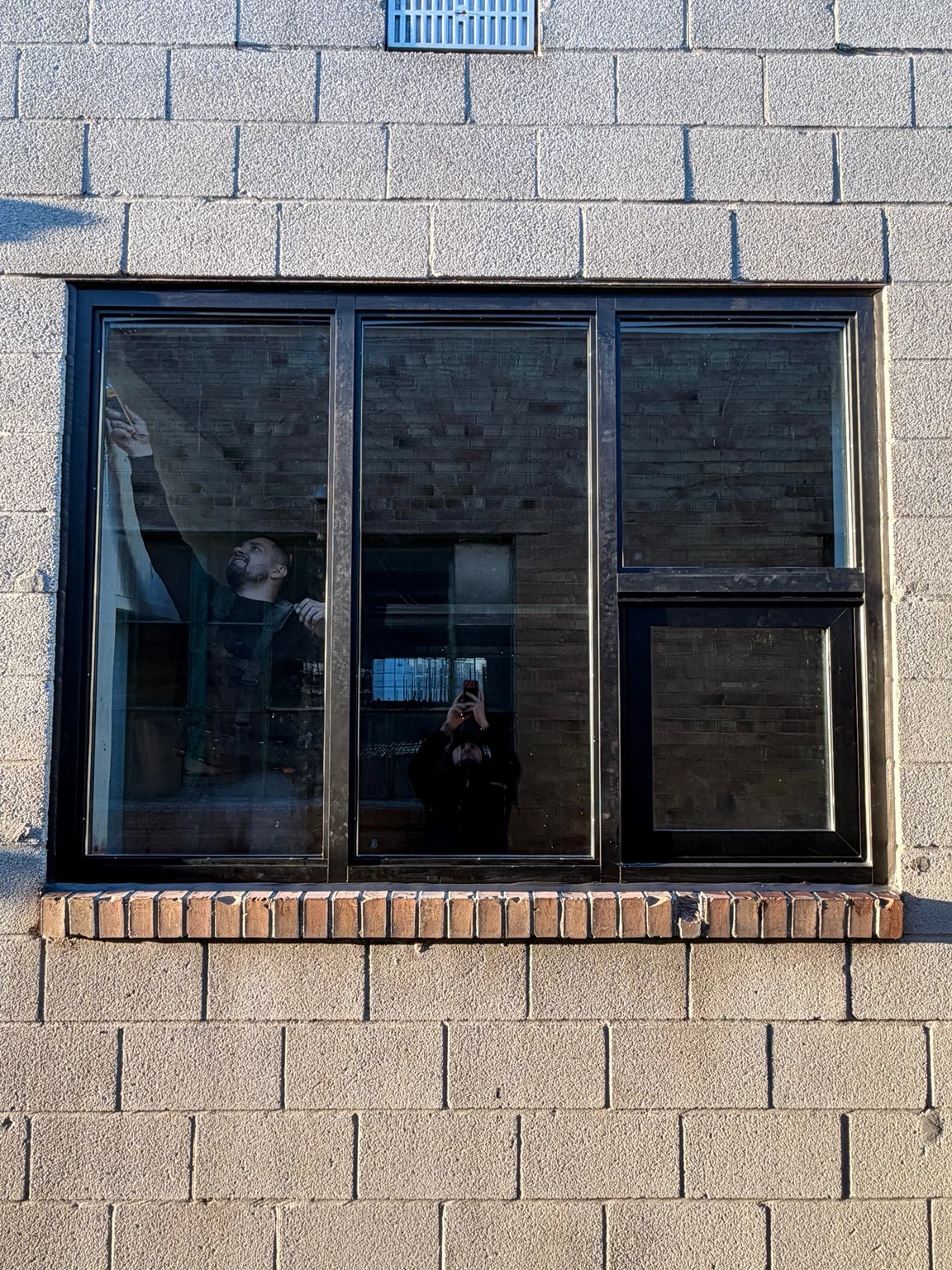
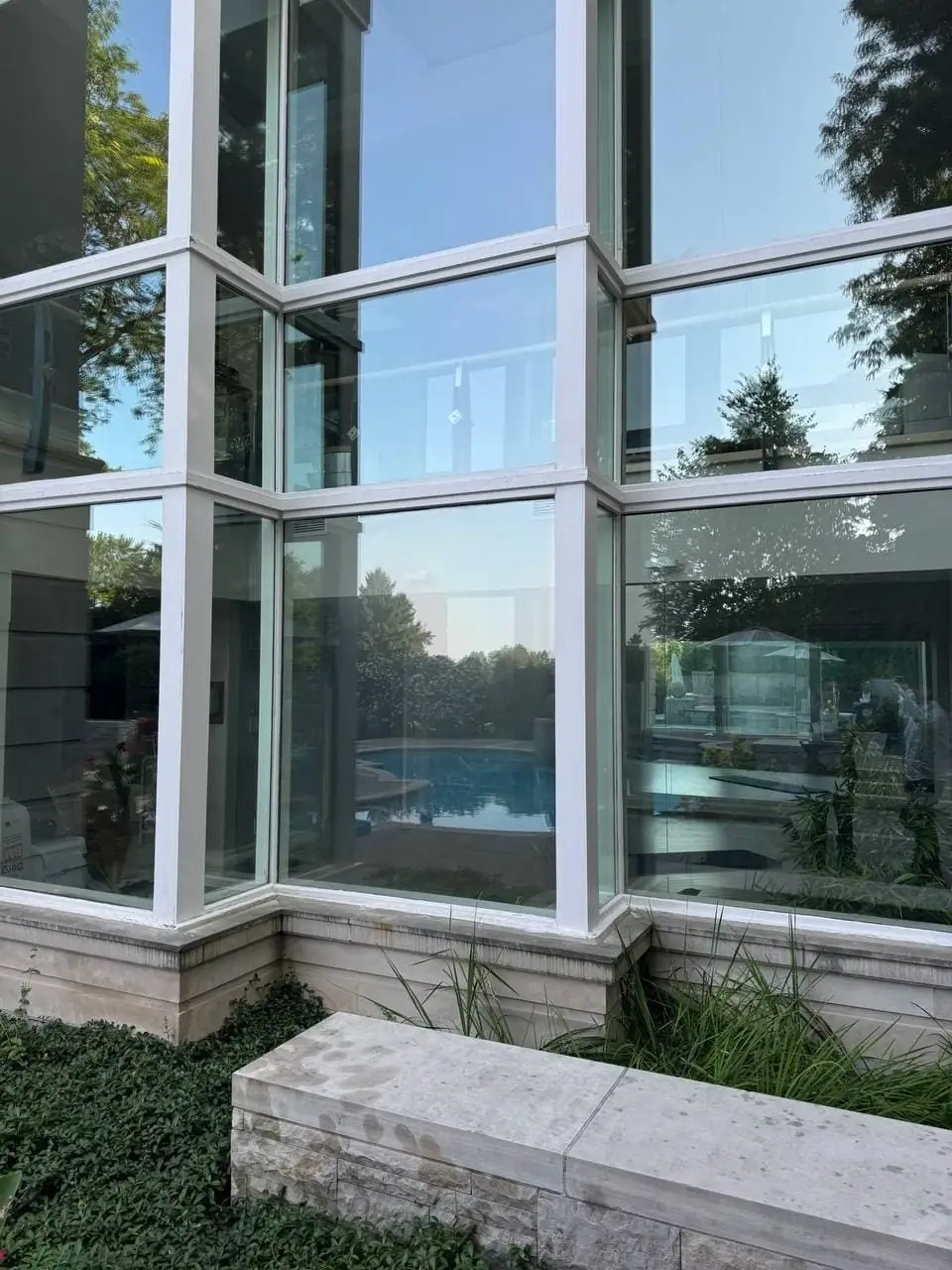
At an Oakville corner window, we removed and renewed failed exterior caulking around the glass and frame edges. The project shows the perimeter work and completed finish.
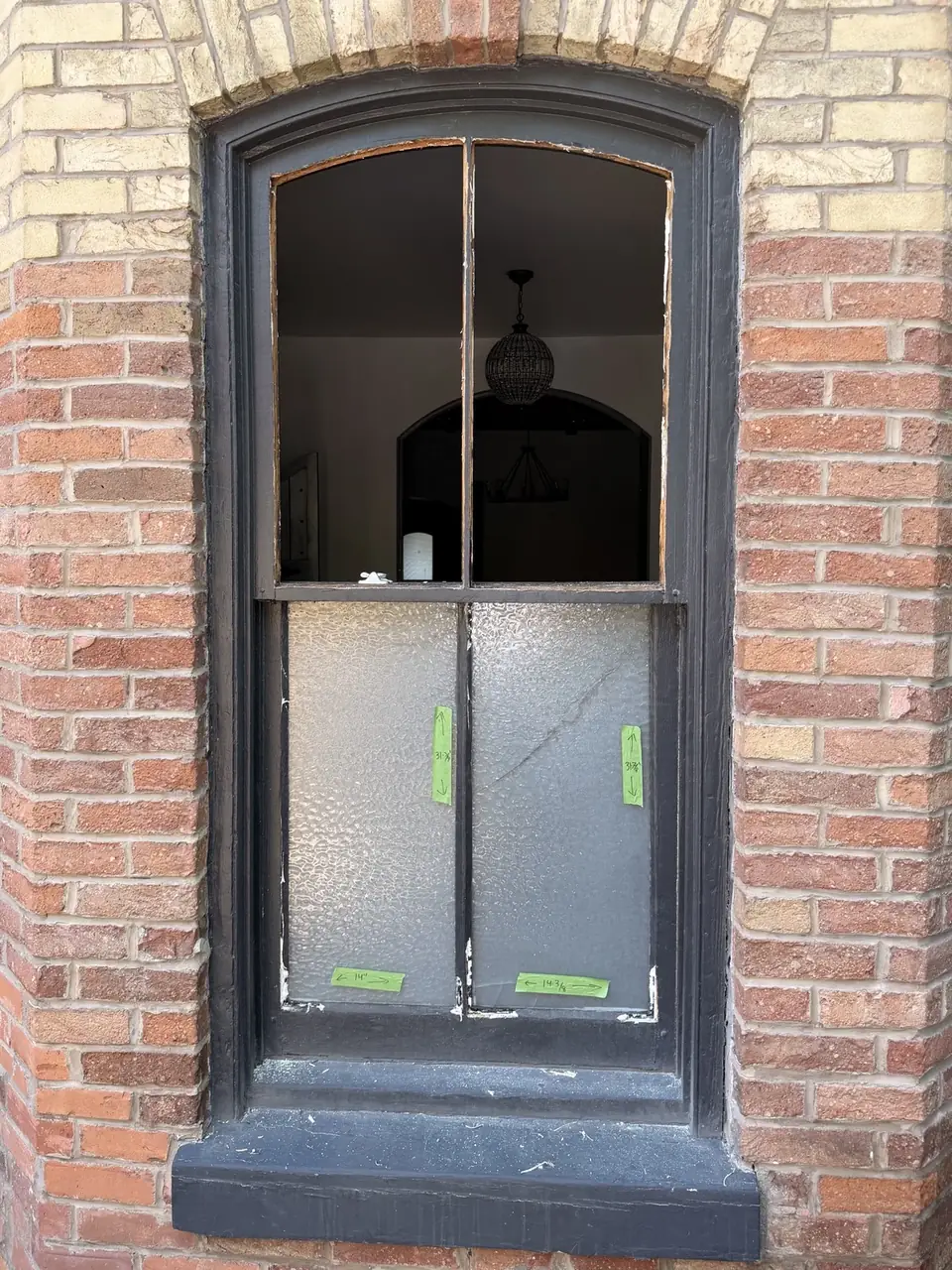
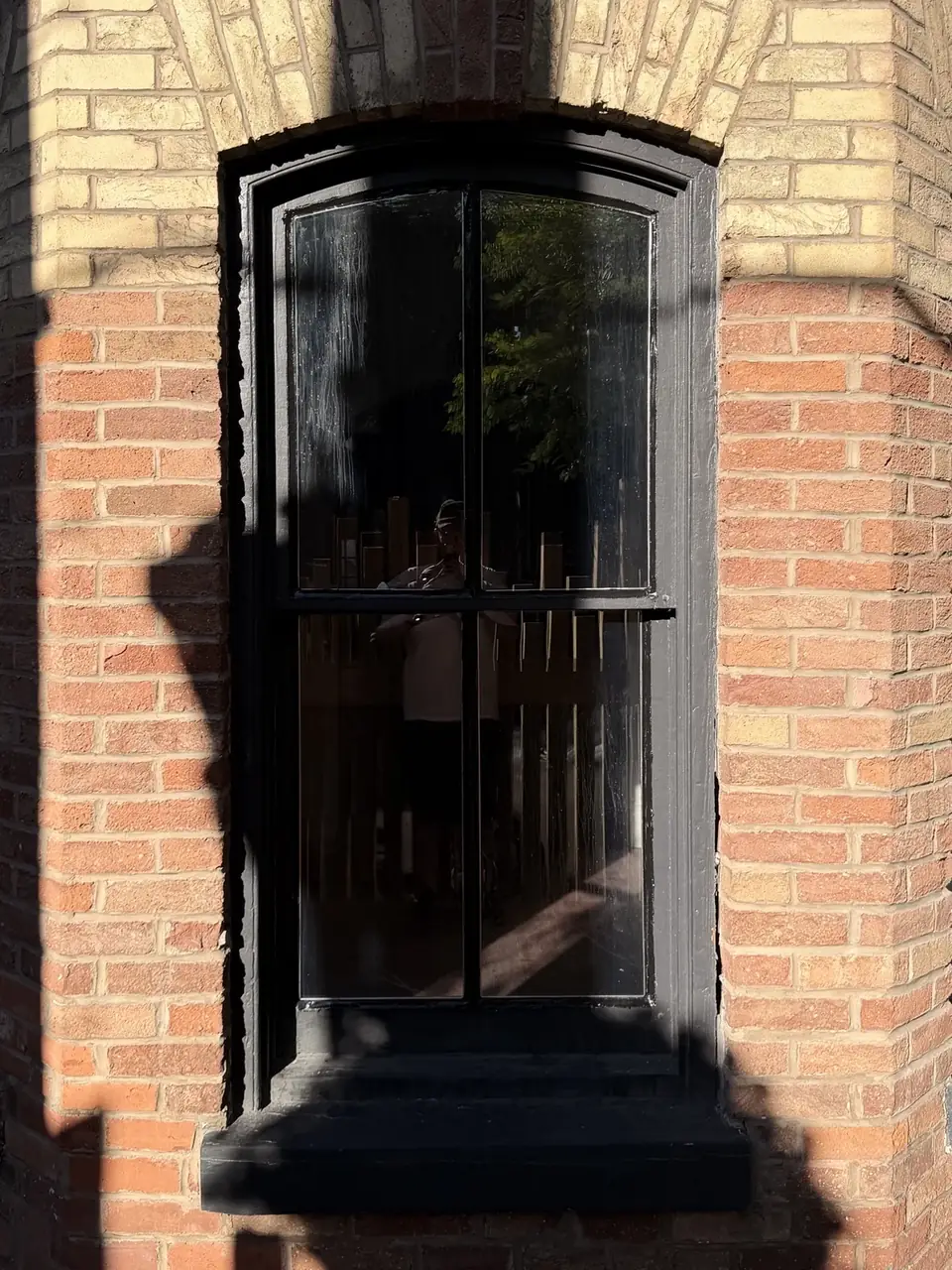
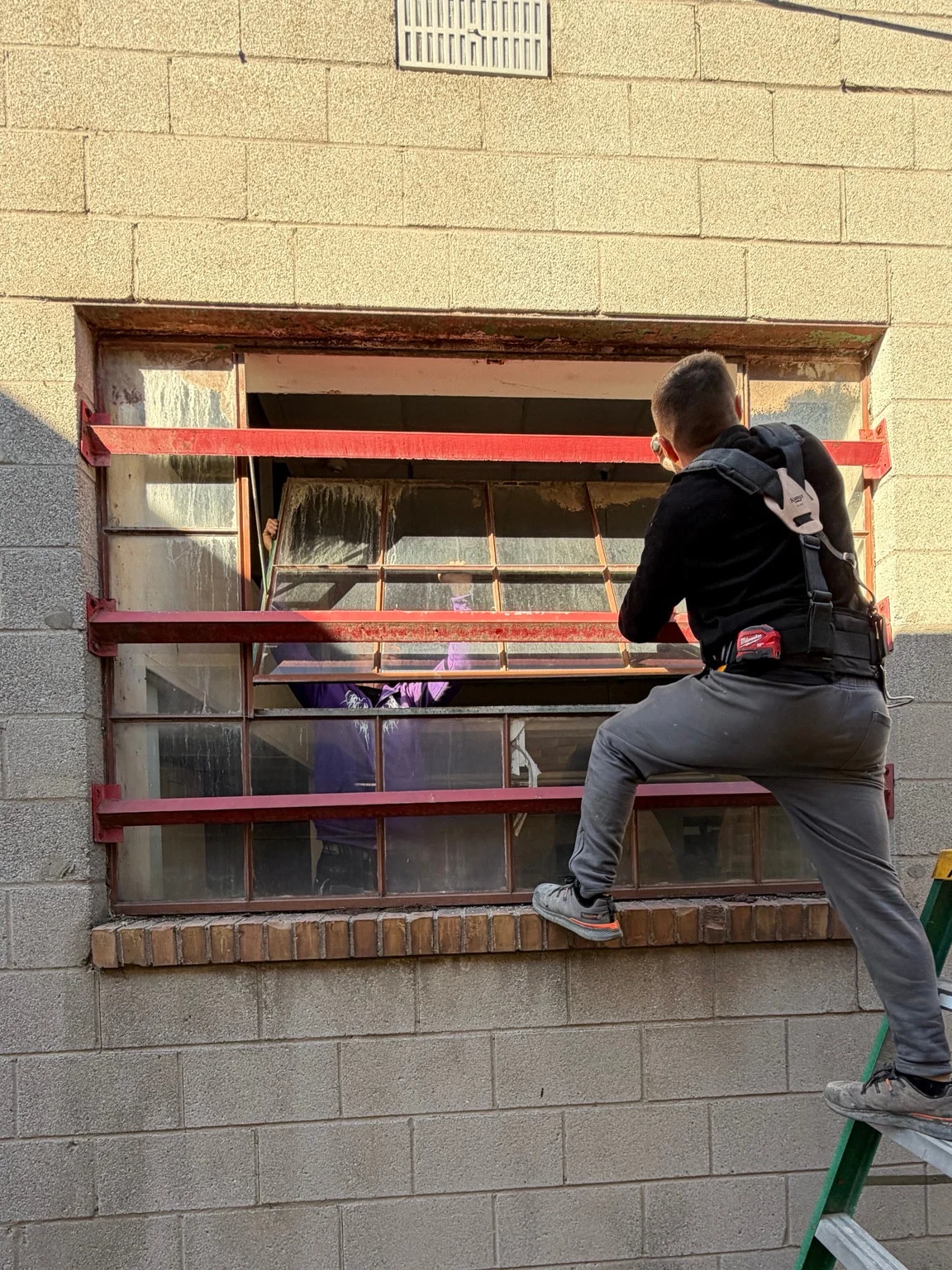
In Cabbagetown, we replaced glass and resealed older wooden windows while retaining the original frames. That was a broader restoration scope, rather than caulking alone.
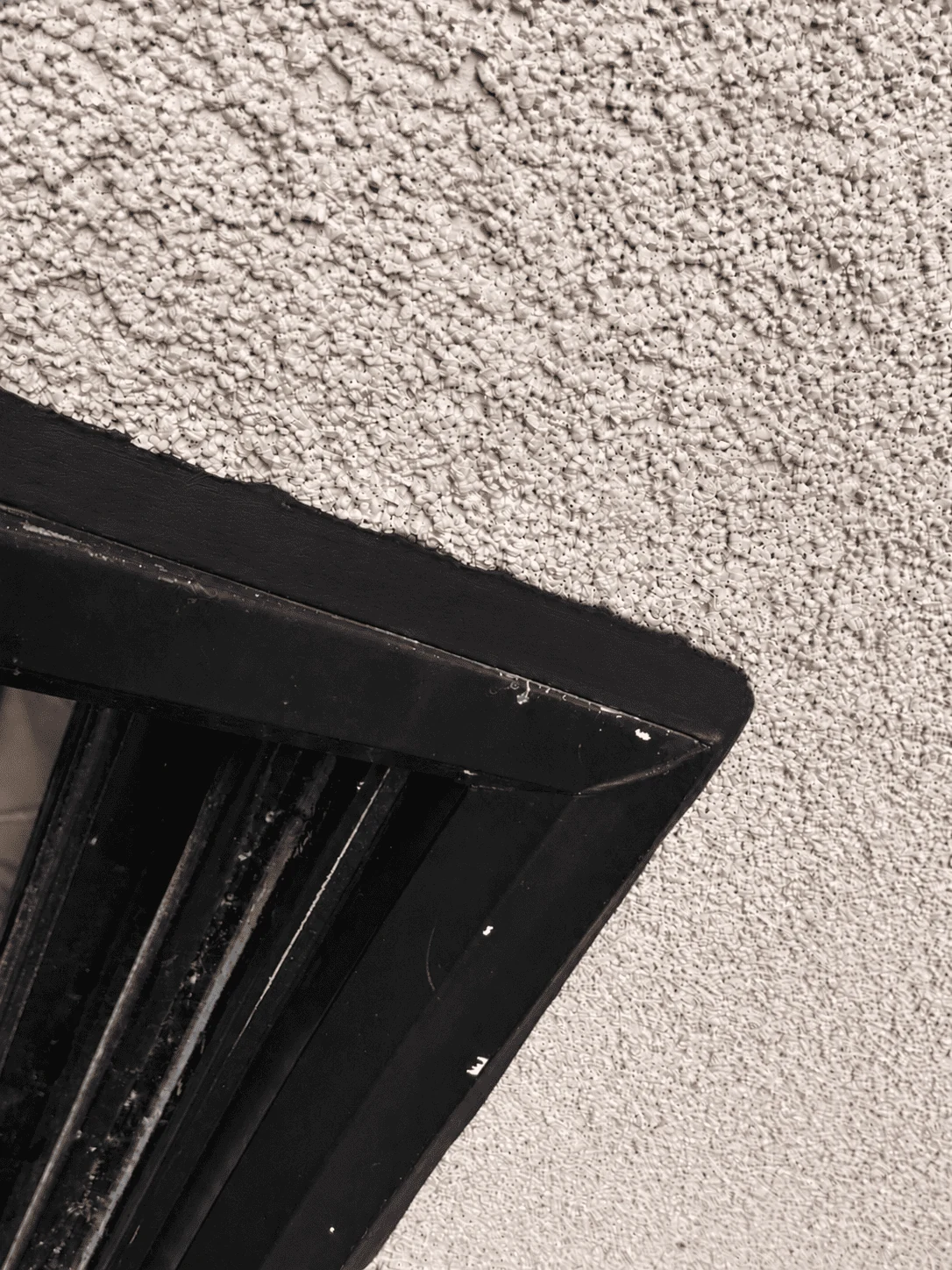
In a Toronto window recaulking project, the homeowner reported water entering through or around a window during rain. We replaced the old silicone around the window to address the reported leak.

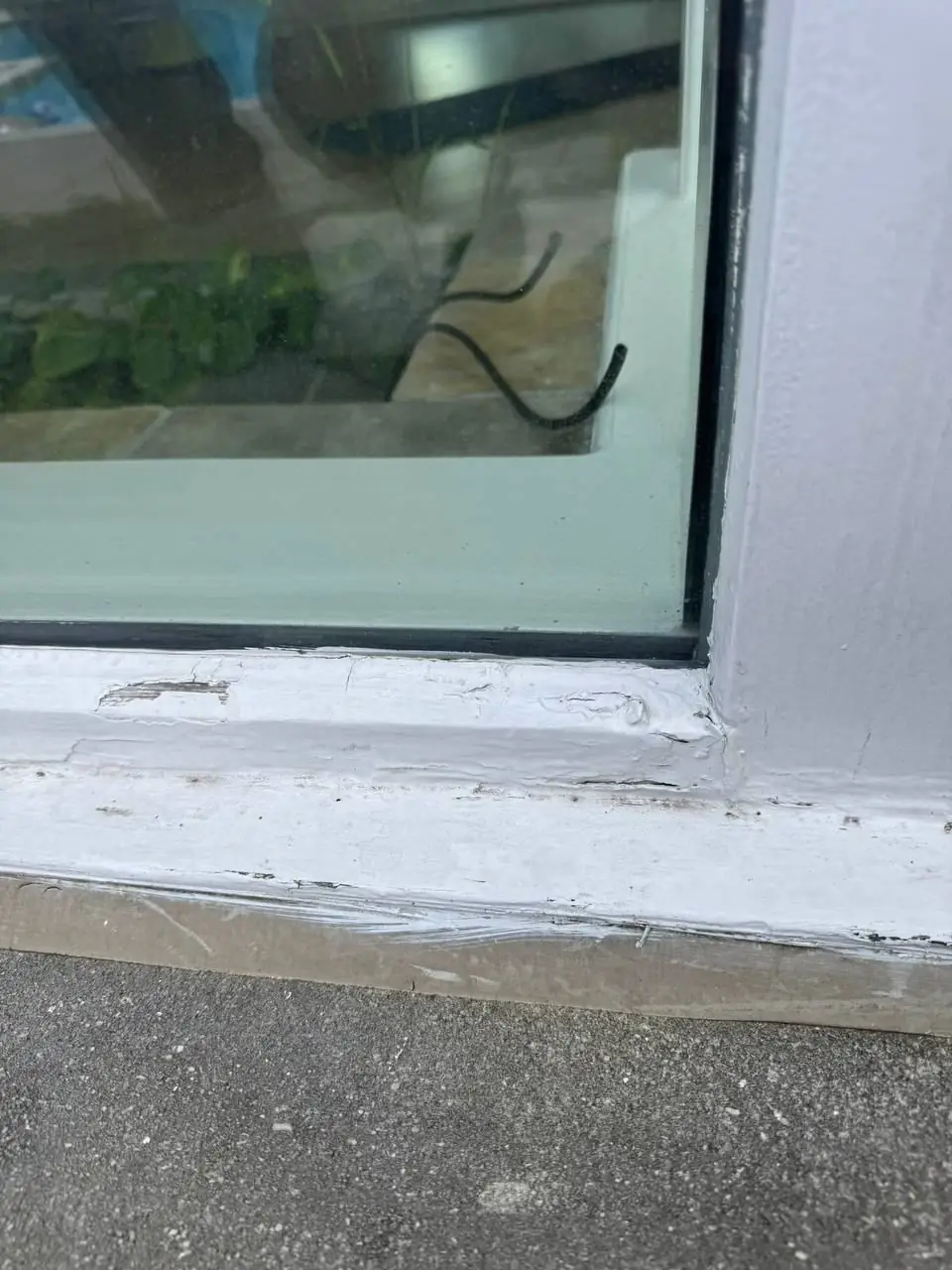
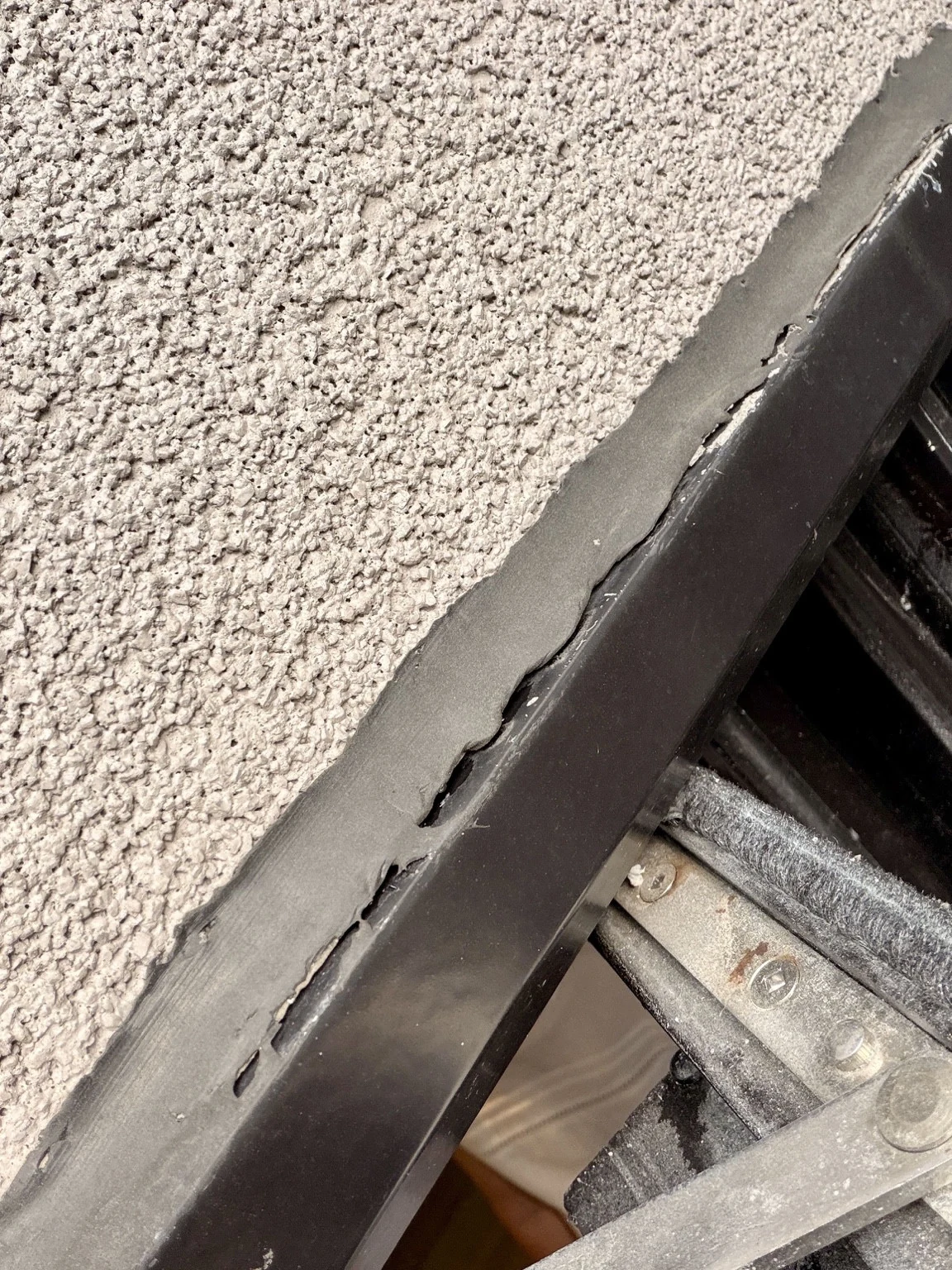
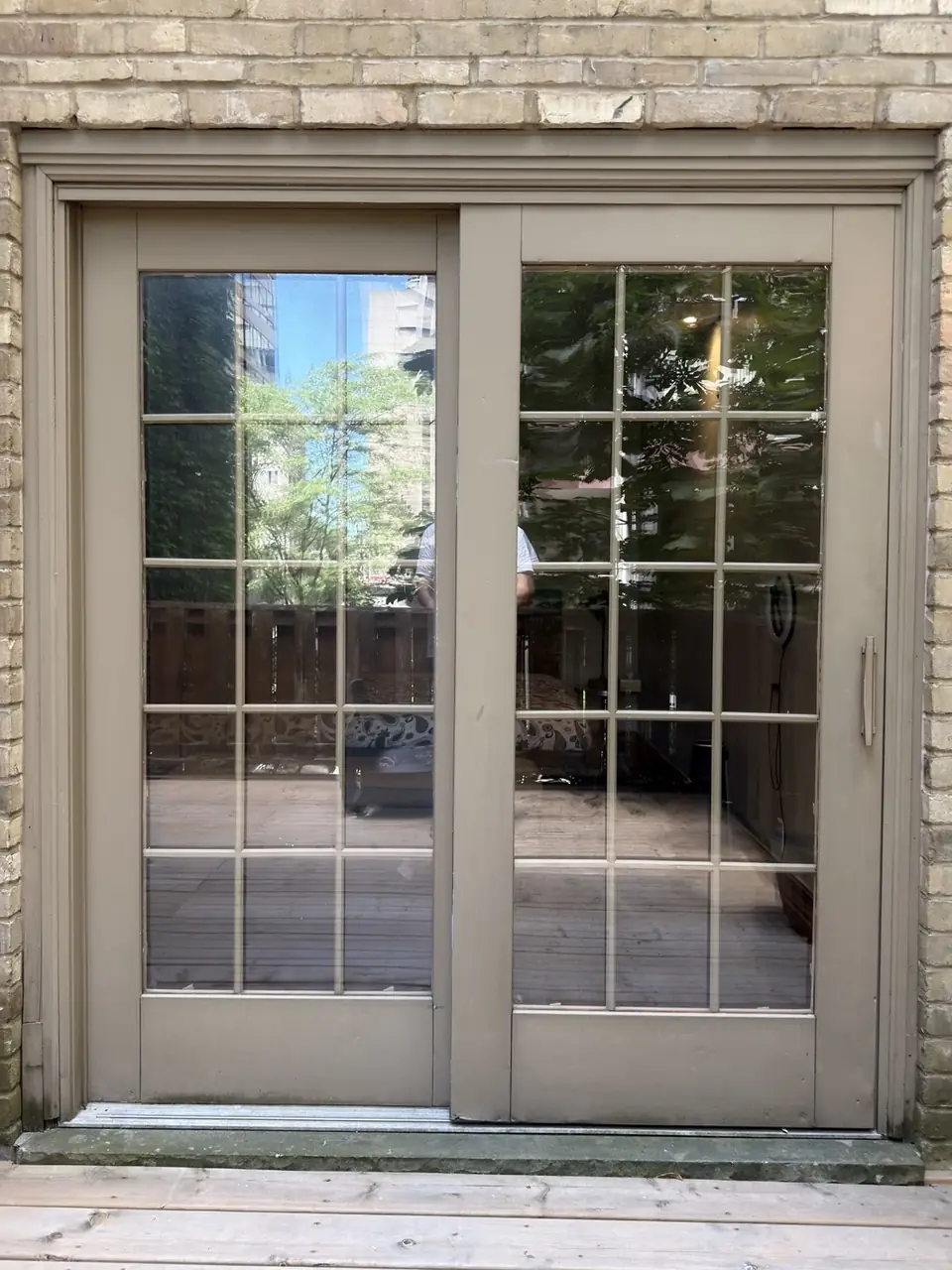
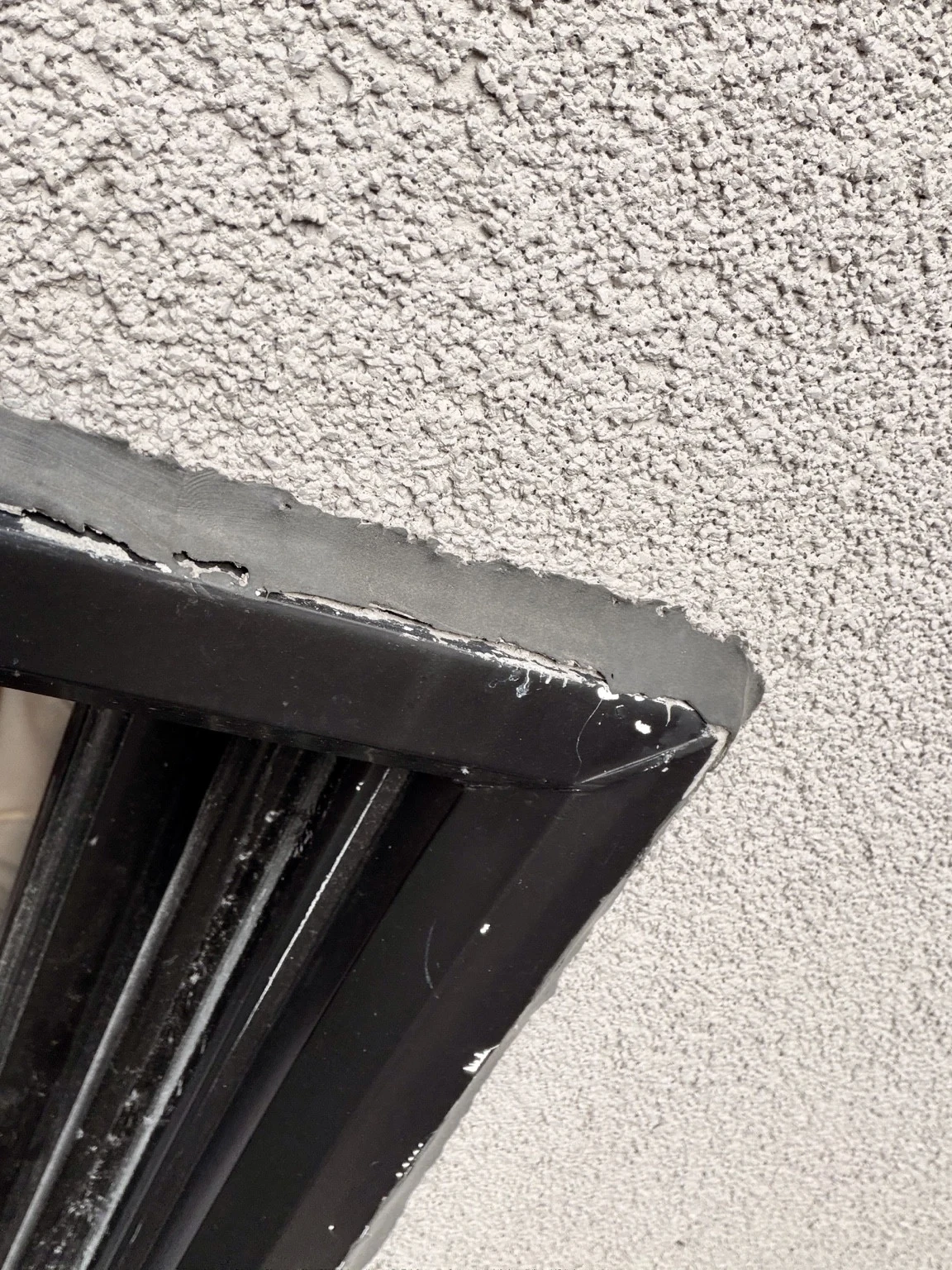 Before
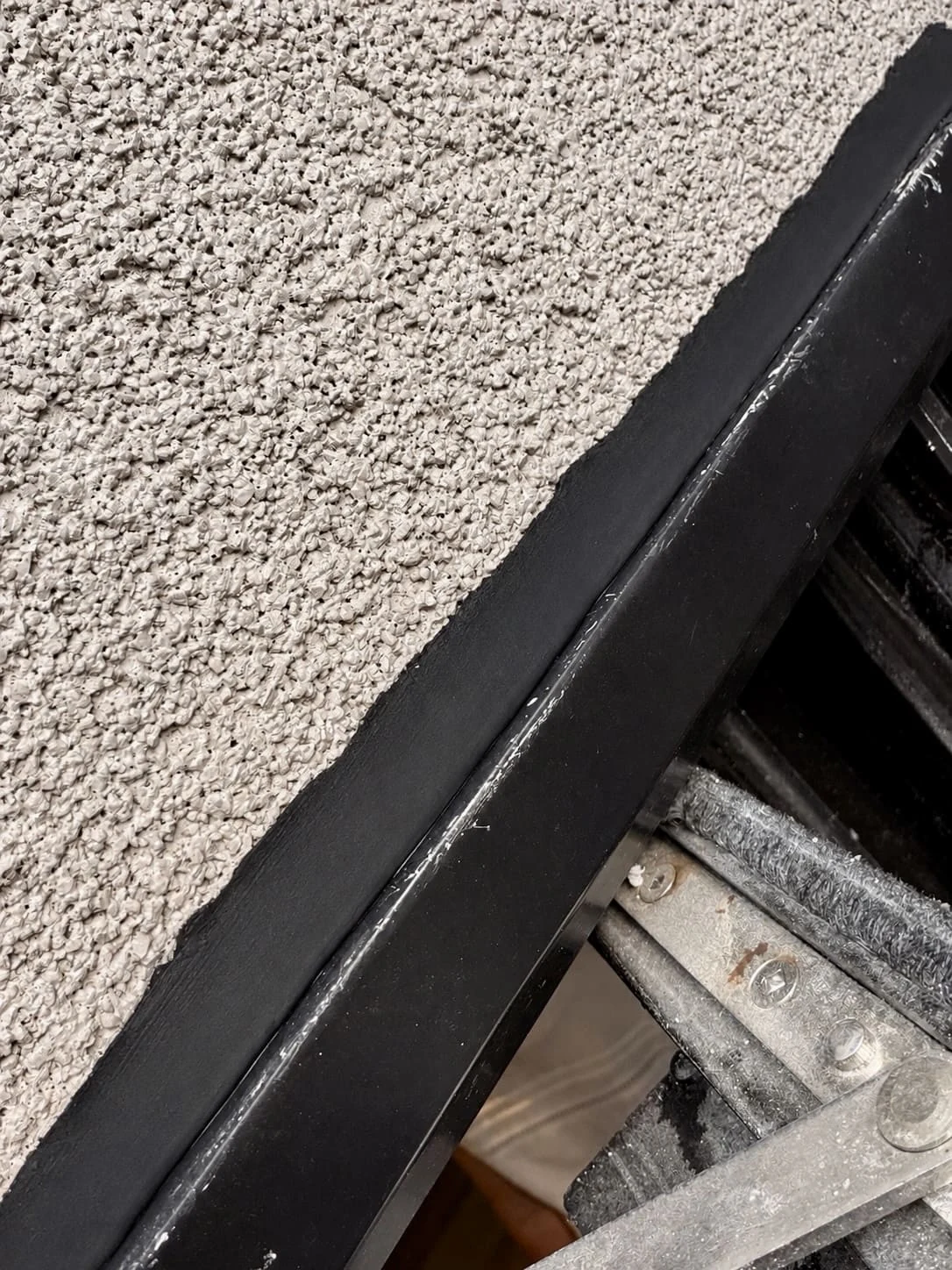 After silicone replacement