In short. Start with the door: one that latches every time, a solid lock and strike, and glass suited to the opening. DoorWin Services repairs and upgrades storefront doors, locks and glass across Toronto; call (416) 302-3559.
A useful storefront security improvement starts with the complete opening: glass, frame, door, lock, closing action and required exit use. Buying a stronger-looking part does not resolve a damaged mounting point or a door that stops short of its latch. We assess those conditions before recommending an upgrade for a Toronto or GTA business.
This is a planning guide for owners and property managers. Our completed repair projects show why glass, hardware, alignment and frame condition need to be considered together. If your entrance is already damaged or cannot be secured, use our break-in and forced-entry repair service.
1. Match the glass specification to the whole storefront
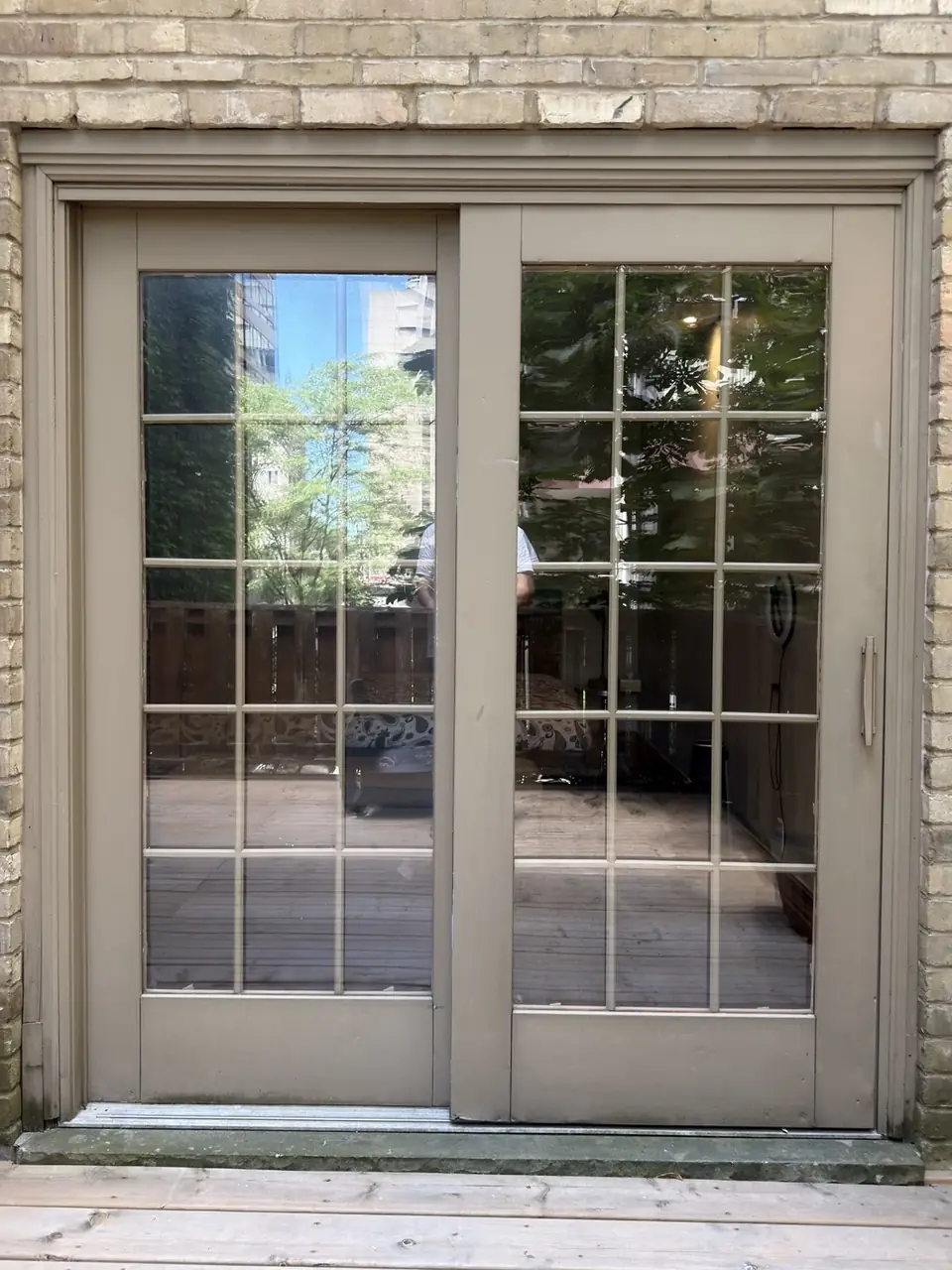
Laminated glass contains an interlayer that helps hold broken glass together. That can be useful when assessing protection, but the glass must be considered with the frame, fixings and the intended application. A safety-glass description alone does not establish a tested level of forced-entry resistance.
We check the existing opening and discuss the purpose of the proposed glass before measuring a replacement. An upgrade may require a different specification from the glass already installed. See our safety and security glazing options and broader glass services.
- Ask what is being specified: the glass construction and the application it is intended for.
- Ask what can stay: whether the existing frame and glazing arrangement are suitable.
- Ask what the work covers: the glass, any frame work and any temporary protection needed during the process.
For a glazing upgrade, ask for the proposed glass specification and supporting product information. A photograph alone does not establish how the glass-and-frame system performs.
2. Check the lock, strike and their attachment together
A commercial lock depends on the door and frame around it. We assess the cylinder or lockset, the strike contact, the condition of the door edge and the way the hardware is attached. A compatible cylinder guard or other protection may be appropriate, but it should follow that assessment.
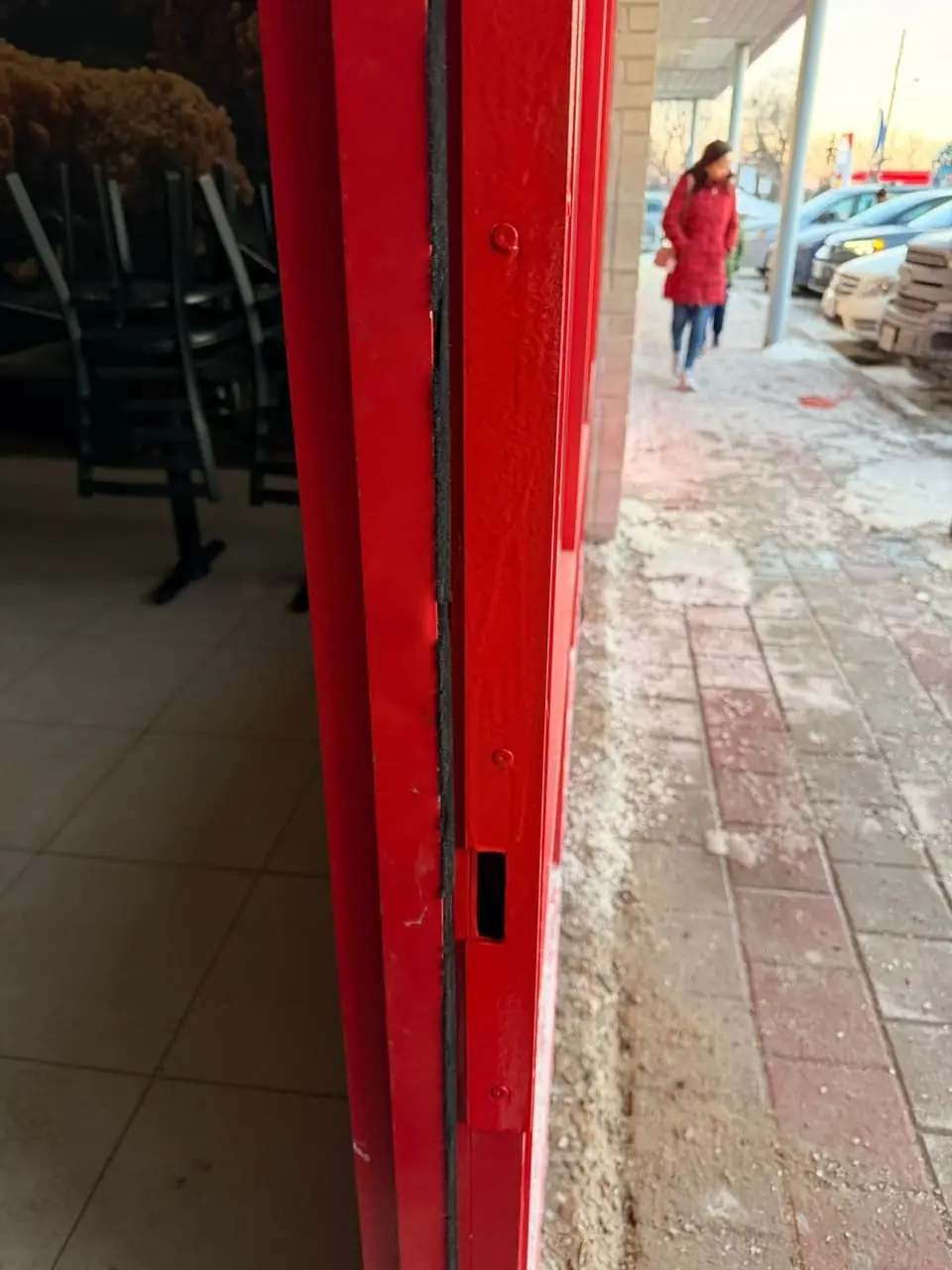
At a Thornhill store door that would not lock after a break-in attempt, our work focused on the damaged locking side and frame contact. We corrected alignment, restored latch-zone contact and tested closing and lock engagement. The cover photograph shows the restored lock-side area from that repair. The work addressed the door fit and latch contact together.
For a similar issue, our commercial lockset service covers the lock and its fit within the opening. We discuss deadbolts and cylinder options where they suit the door. Added hardware must remain compatible with the way people need to leave the premises.
3. Assess the meeting edge and both leaves of a double door
An astragal covers the meeting gap between a pair of doors. A suitable design can help protect that edge, but the choice depends on how the two leaves open, close, latch and lock. We check the complete pair rather than treating the visible gap as an isolated problem.
For an aluminum storefront entrance, we look at alignment, meeting-edge condition and compatible hardware. Any proposed astragal or reinforcement must allow the intended door operation. We do not recommend simply fastening the two leaves together or adding an obstruction to an exit.
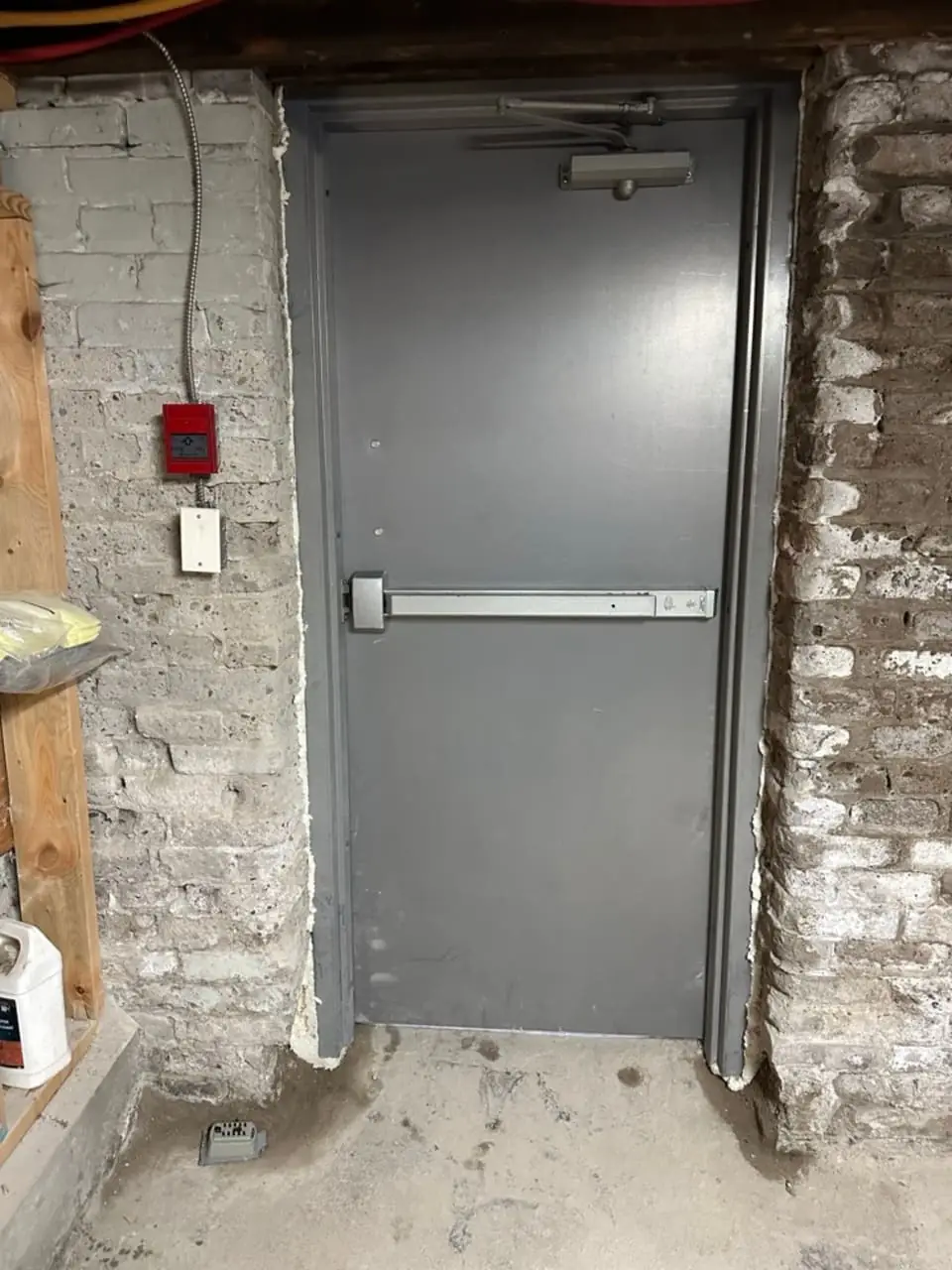
Include both the customer entrance and rear service door in an assessment. At the Healthy Planet rear entrance in Vaughan, a break-in had displaced the door from its opening. We recovered and reinstalled that door in the existing frame, realigned it and checked closing and latch engagement. The work restored the existing rear door. Include that opening in your planning even when your initial concern is the customer-facing storefront.
4. Make reliable closing and latching part of routine checks
After normal use, a door may appear closed while its latch has not engaged. Changes in hinge or pivot support, the closer, the strike relationship or an obstruction can affect the result. Report a new need to lift, push hard or pull the door into place rather than treating it as normal wear.
Our Urban Outfitters repair on Queen St W retained the existing storefront door after break-in damage. We corrected alignment and the lock-to-strike relationship, then checked the closer and hardware through repeated operation. This illustrates how the closing and locking parts work together.
Our planned maintenance and door closer service address those operating checks. If the door already slams, scrapes or sticks, use our guide to five commercial door problems and the checks before repair to describe the symptom.
A practical observation checklist for your team
Staff can report changes during normal use without dismantling or adjusting the entrance:
- Does the door return to its usual closed position and latch?
- Has the effort needed to open, close or lock it changed?
- Are there new gaps, rubbing marks, loose visible hardware or damaged glass?
- On a pair, do both leaves still operate as intended?
- Have the rear and service entrances been checked as well as the shop front?
Keep people away from loose doors or damaged glass. If an entrance cannot be used for exit or cannot be secured, arrange prompt professional attention. A routine observation checklist does not replace an inspection of the assembly.
If damage has already happened, separate temporary and permanent work
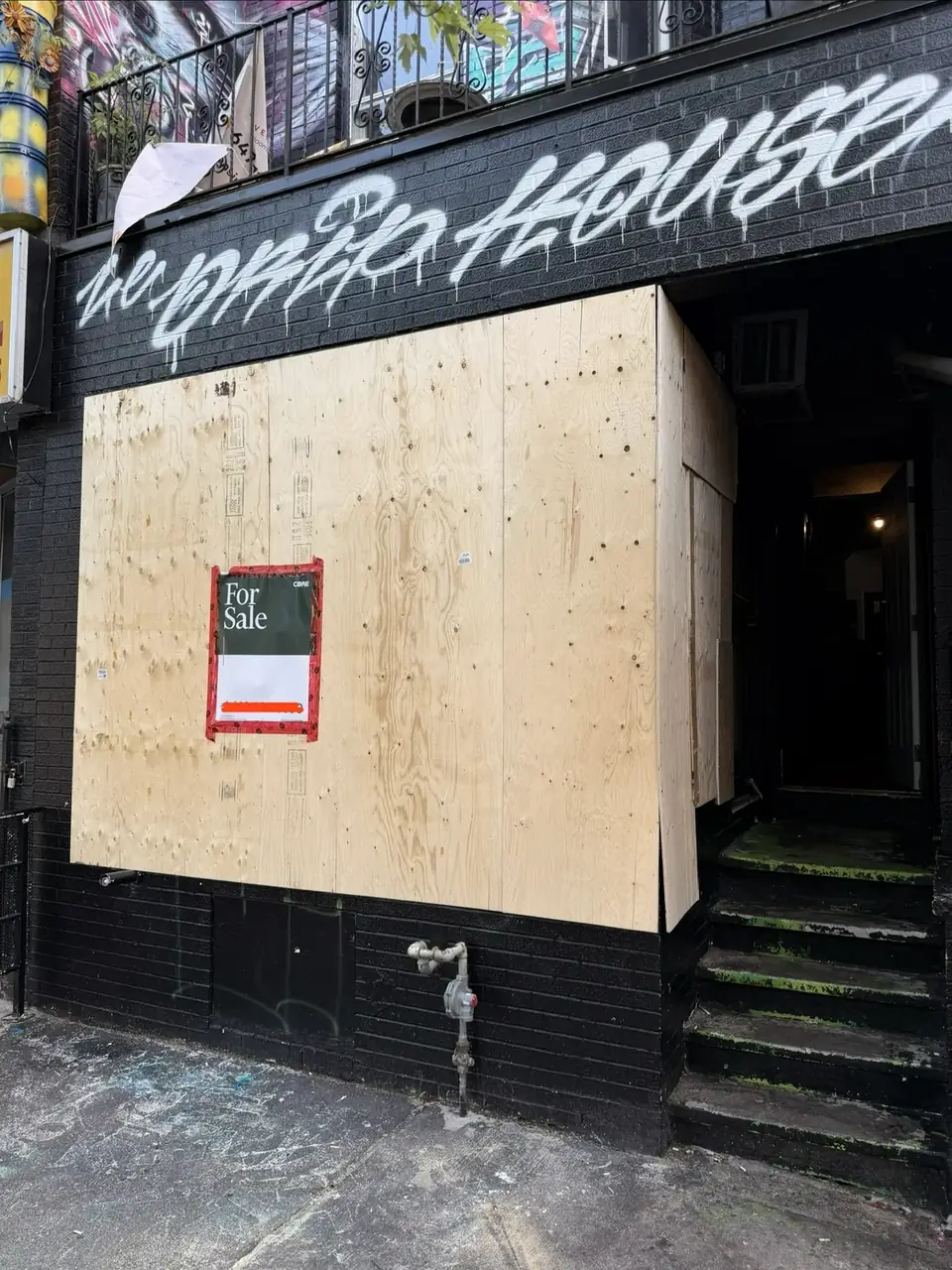
Temporary securing keeps the immediate opening protected while the permanent scope is established. It should not be confused with the finished door repair. In our Mississauga shop entrance project, the damaged opening was boarded on December 28, 2025, and the shop door was replaced on December 30. The project page documents those two stages and their photographs.
That schedule describes one completed job, not a turnaround promise for another opening. For an exposed storefront, call about emergency board-up and securing. Permanent work depends on the damage, measurements and the required door or glass.
Prepare for an assessment before ordering parts
Send a full view of each entrance, photographs of the inside and outside hardware, both meeting edges on a pair, and close-ups of any damage. Tell us how the opening is used and what you want to improve. We can then assess a focused hardware repair, suitable glazing, reinforcement or a larger door-and-frame scope.
Our door services and hardware and locksmith services cover the relevant work. Contact DoorWin Services with your location and entrance photos to discuss the options. We confirm the proposed scope before proceeding; no single part makes a storefront immune to forced entry.
Questions people ask
What glass helps stop a break-in?
Laminated and security glass hold together when struck, which slows an intruder down. DoorWin Services installs them in existing openings.
Can you upgrade locks after a break-in?
Yes. We replace commercial locksets, mortise locks, deadbolts and cylinders.
Can you fix a door that won't lock after a break-in?
Yes. We correct the alignment and the latch, then test that the door locks every time.
Send a photo and your location. We’ll respond with options and an estimated price.
Get an Estimate