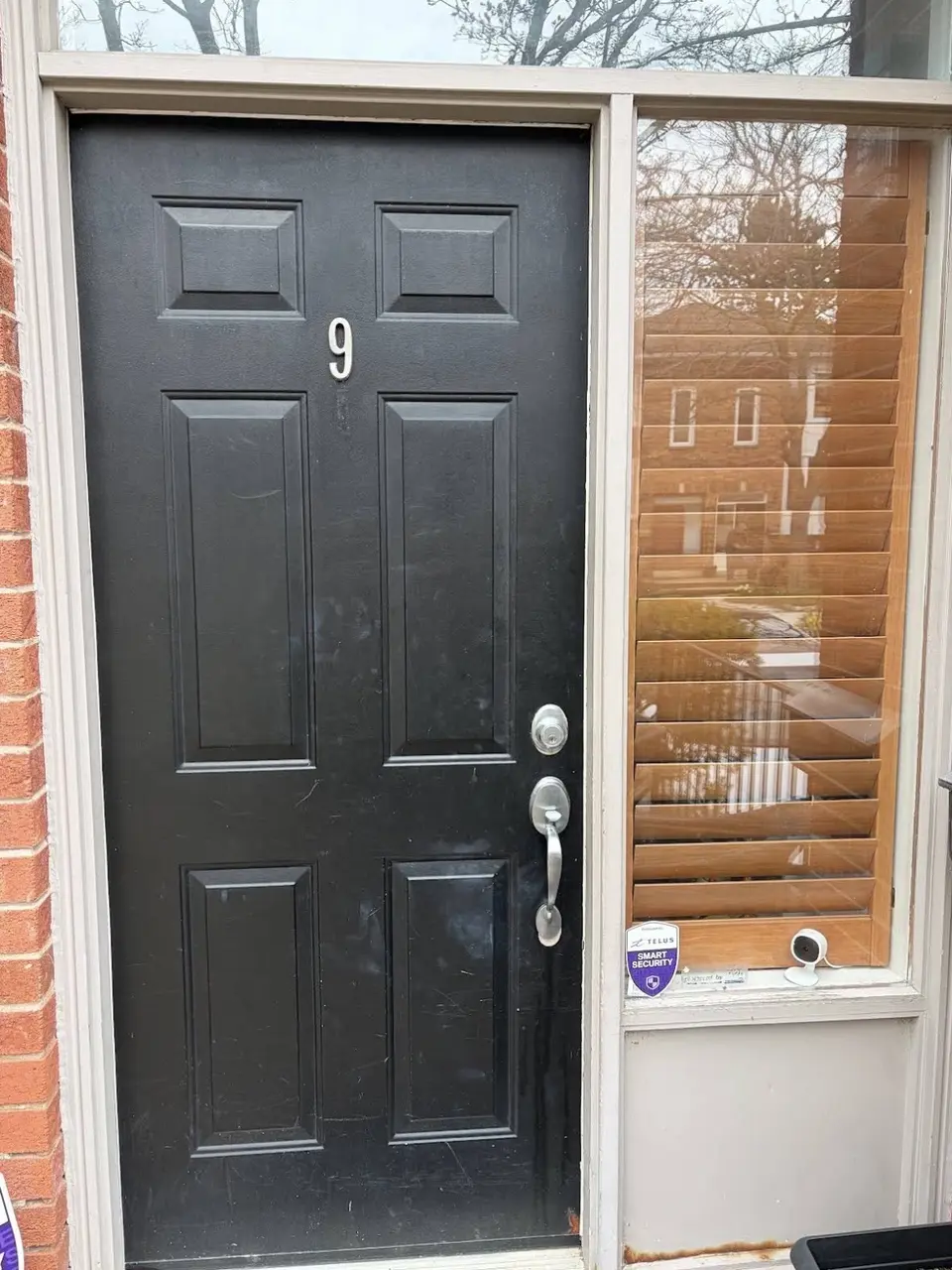
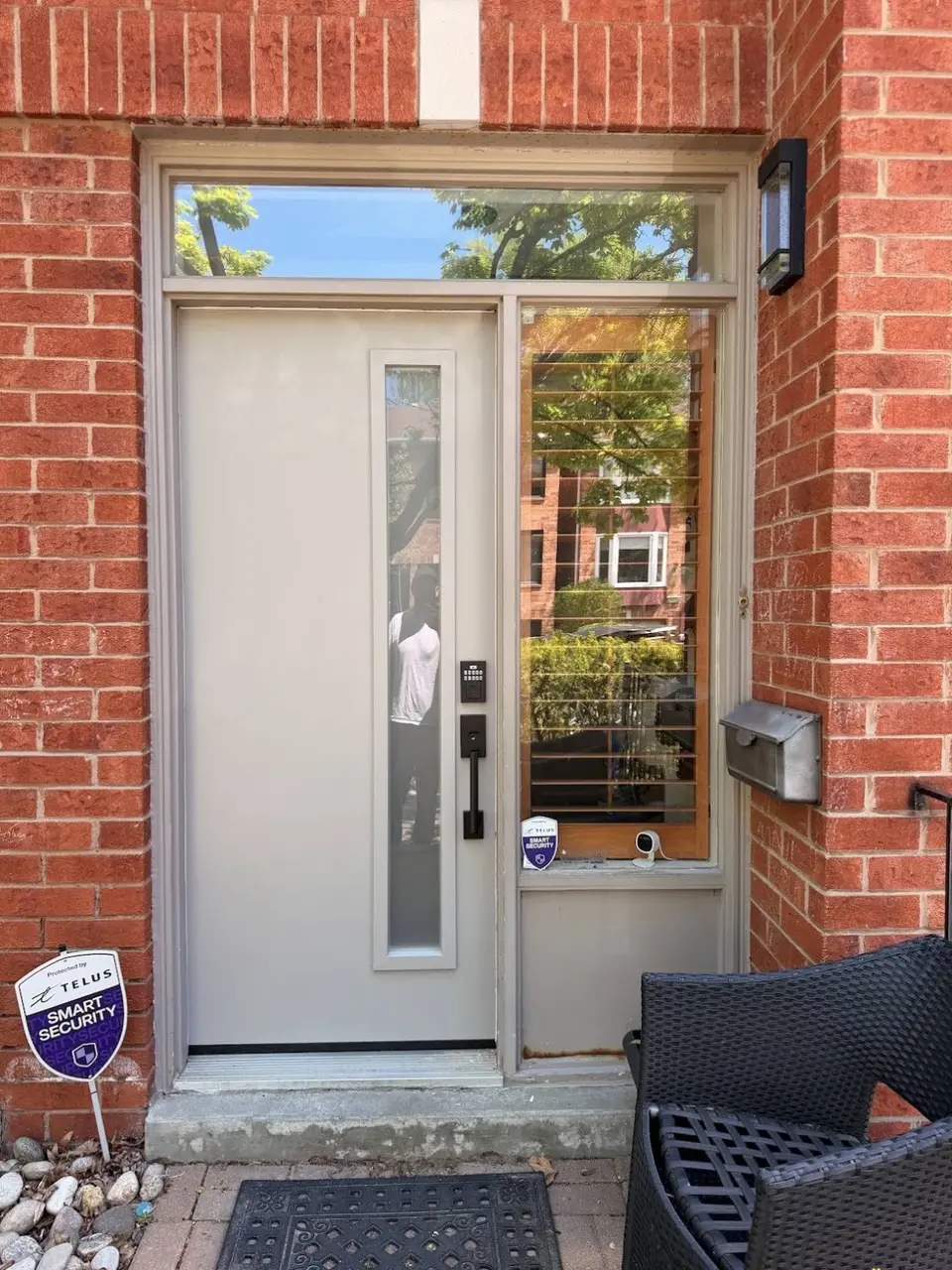
What we inspect around the door
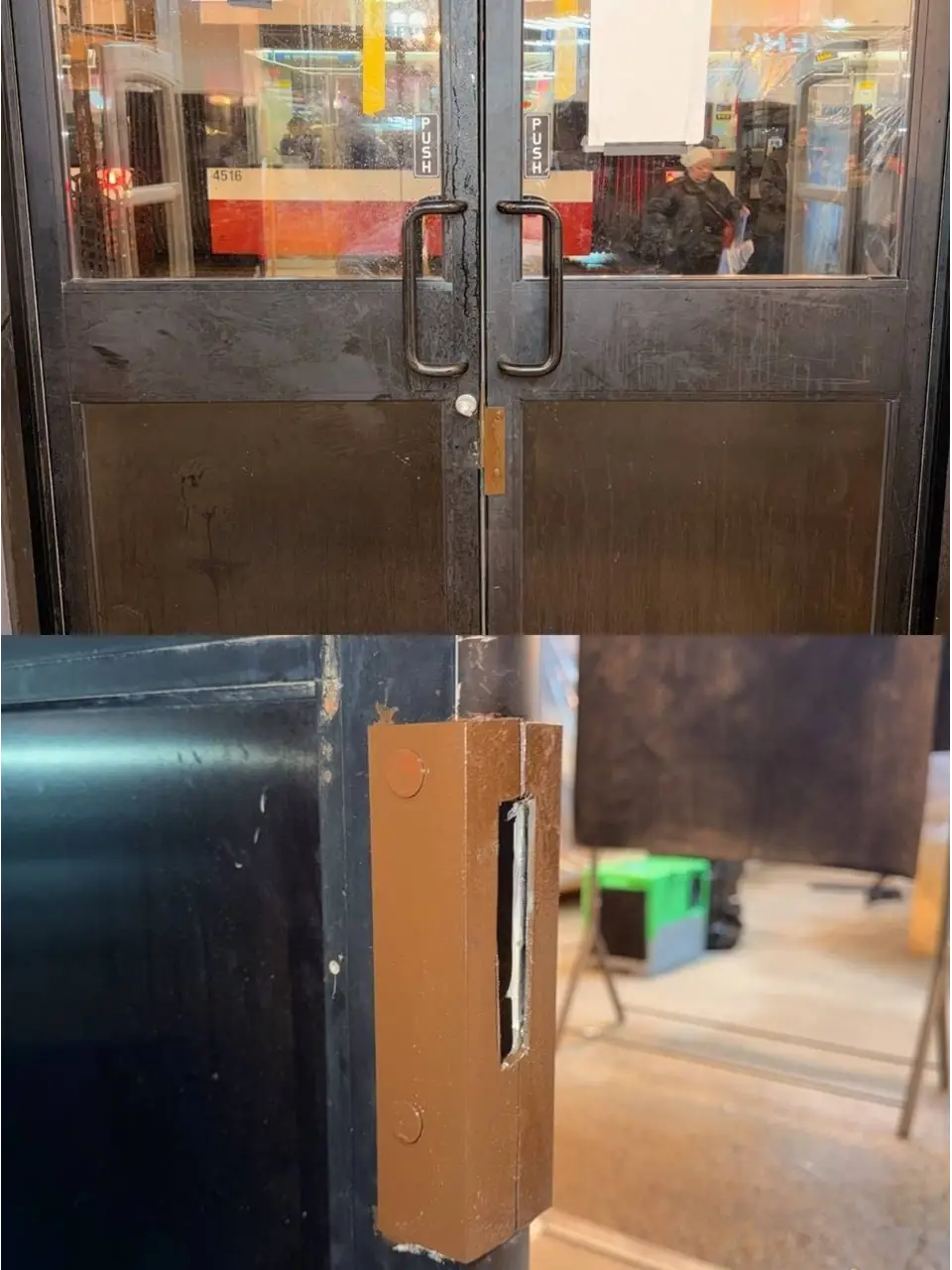
The closer, hinge line and latch work together. A door that meets resistance at the threshold can affect closing, and a latch that misses the strike may be a fit problem rather than a failed lock.
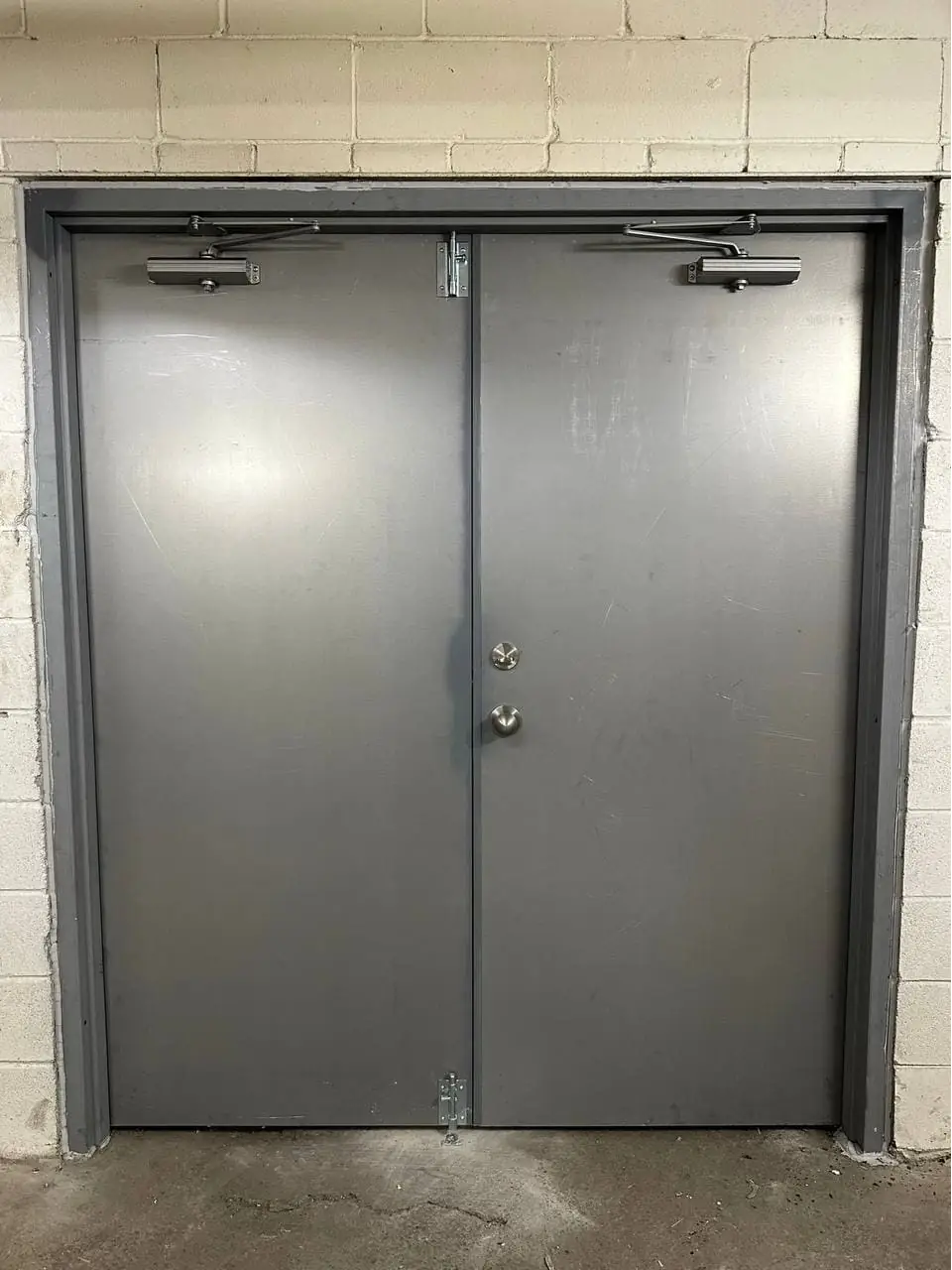
- We inspect the closer body, arm and mounting points and check whether the door closes under control.
- We check hinges or pivots, visible fasteners and support for looseness that can affect alignment.
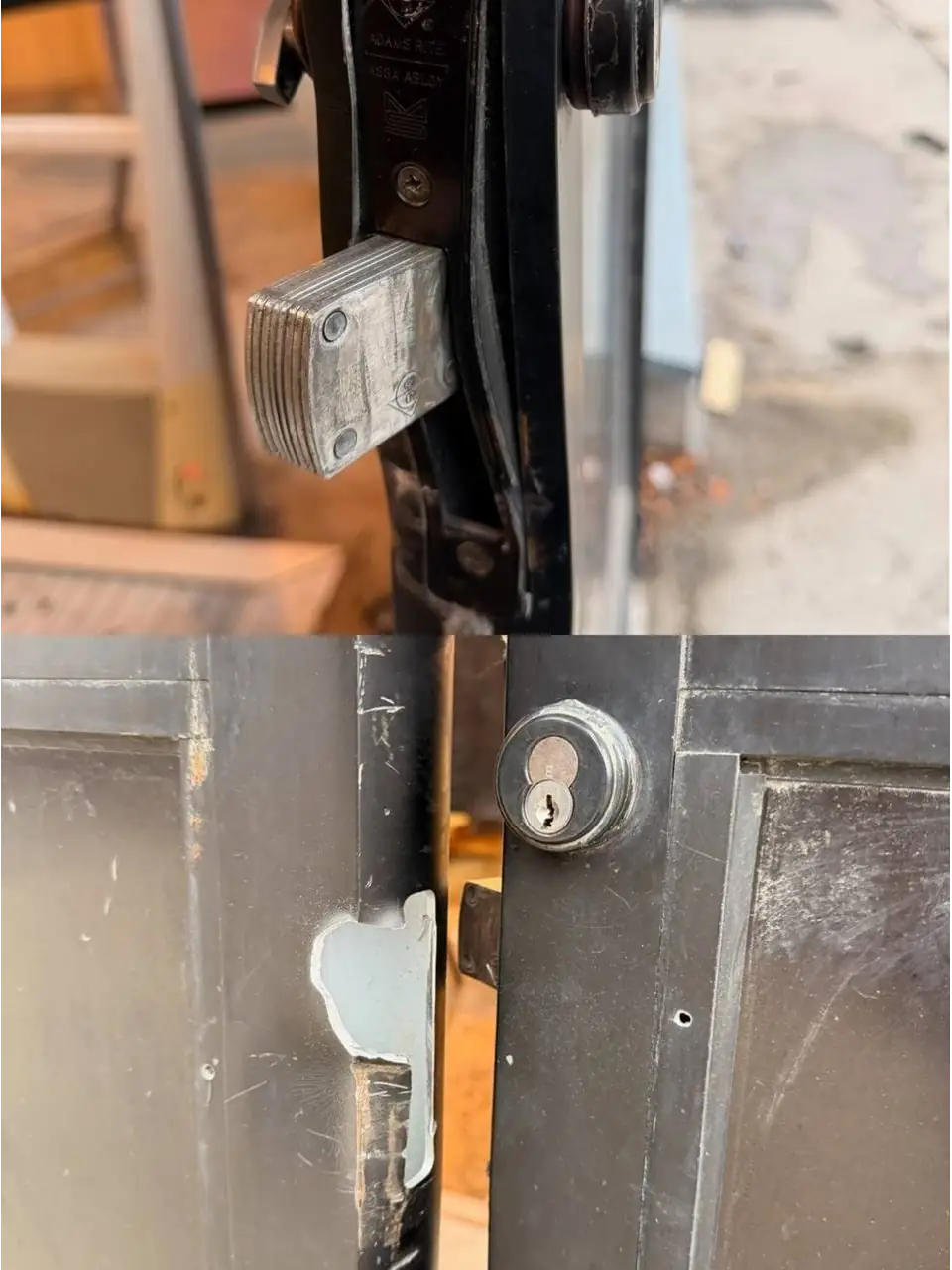
- We test latch, strike and agreed exit-device functions so closing and engagement are assessed together.
- We check threshold contact and clearances to find resistance that adjustment of the closer alone would miss.
What a tune-up can include
We tighten, adjust and apply suitable lubrication to serviceable components within the approved scope. We match the work to the installed hardware and its condition, rather than treat every entrance as the same mechanism.
After maintenance, we check the affected opening, closing and latching functions. We explain anything that still needs attention rather than repeatedly adjusting a component that has failed.
Plan around the way the entrance is used
Tell us which doors receive the most traffic, when faults appear and whether the building has access or operating-hour restrictions. Previous service notes can help identify a recurring issue.
The maintenance interval should reflect the hardware, traffic, condition and relevant manufacturer requirements. We discuss an appropriate schedule from the opening’s needs.
What to keep in the property record
The door location, issue reported, work completed and remaining repair needs help the property contact organize follow-up. Tell us before the visit if the building requires a particular report format or other service documentation.

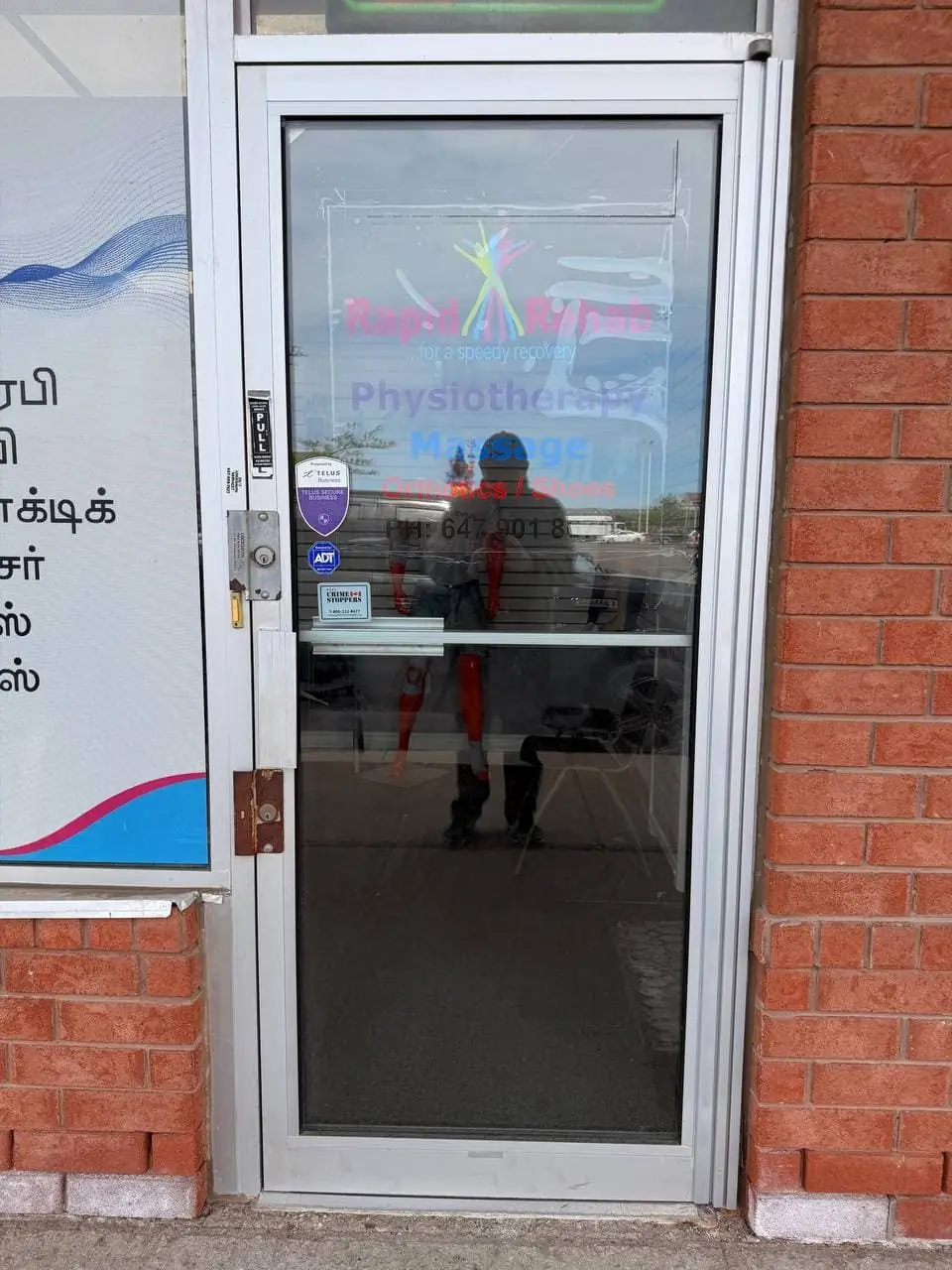
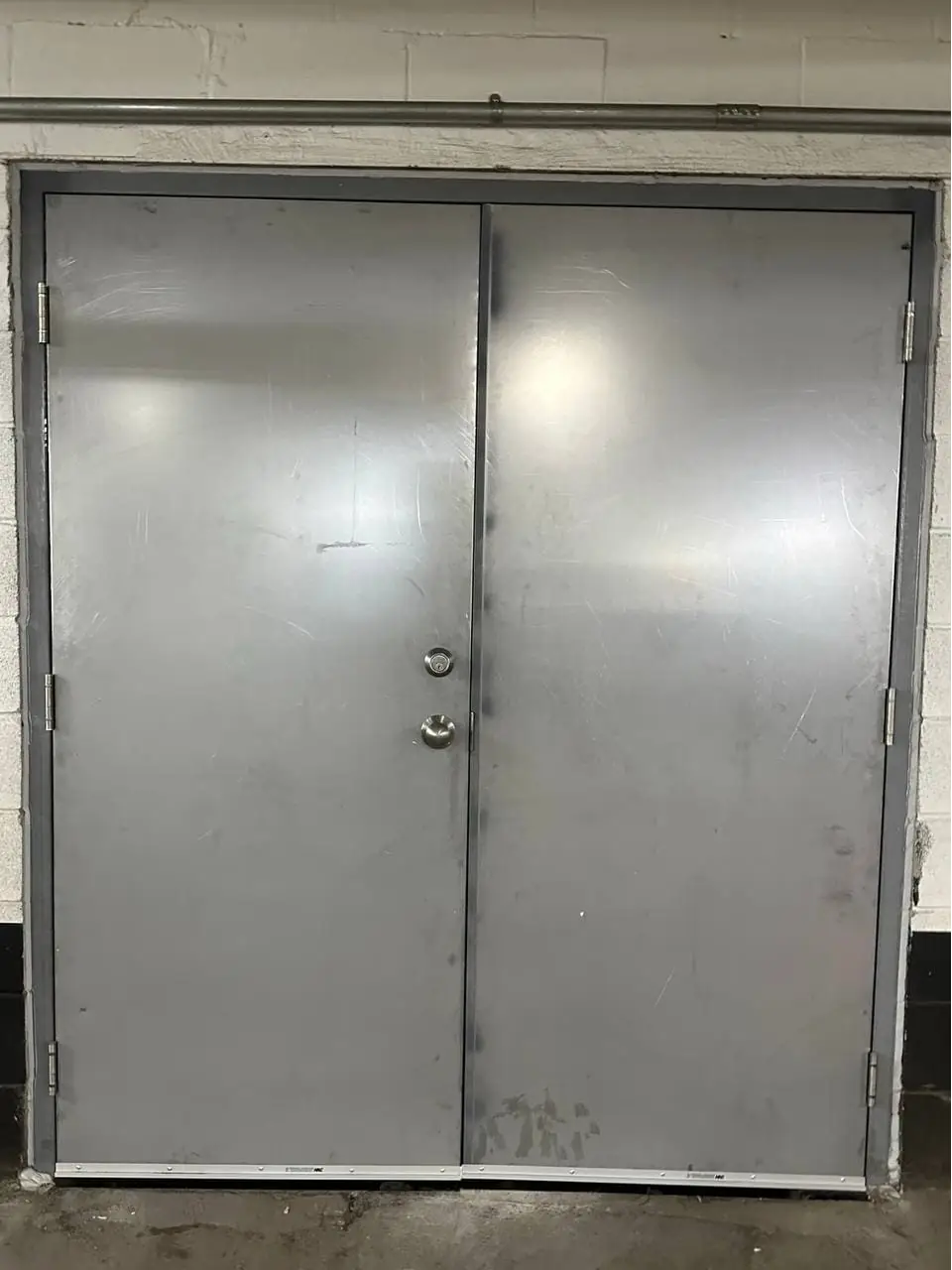
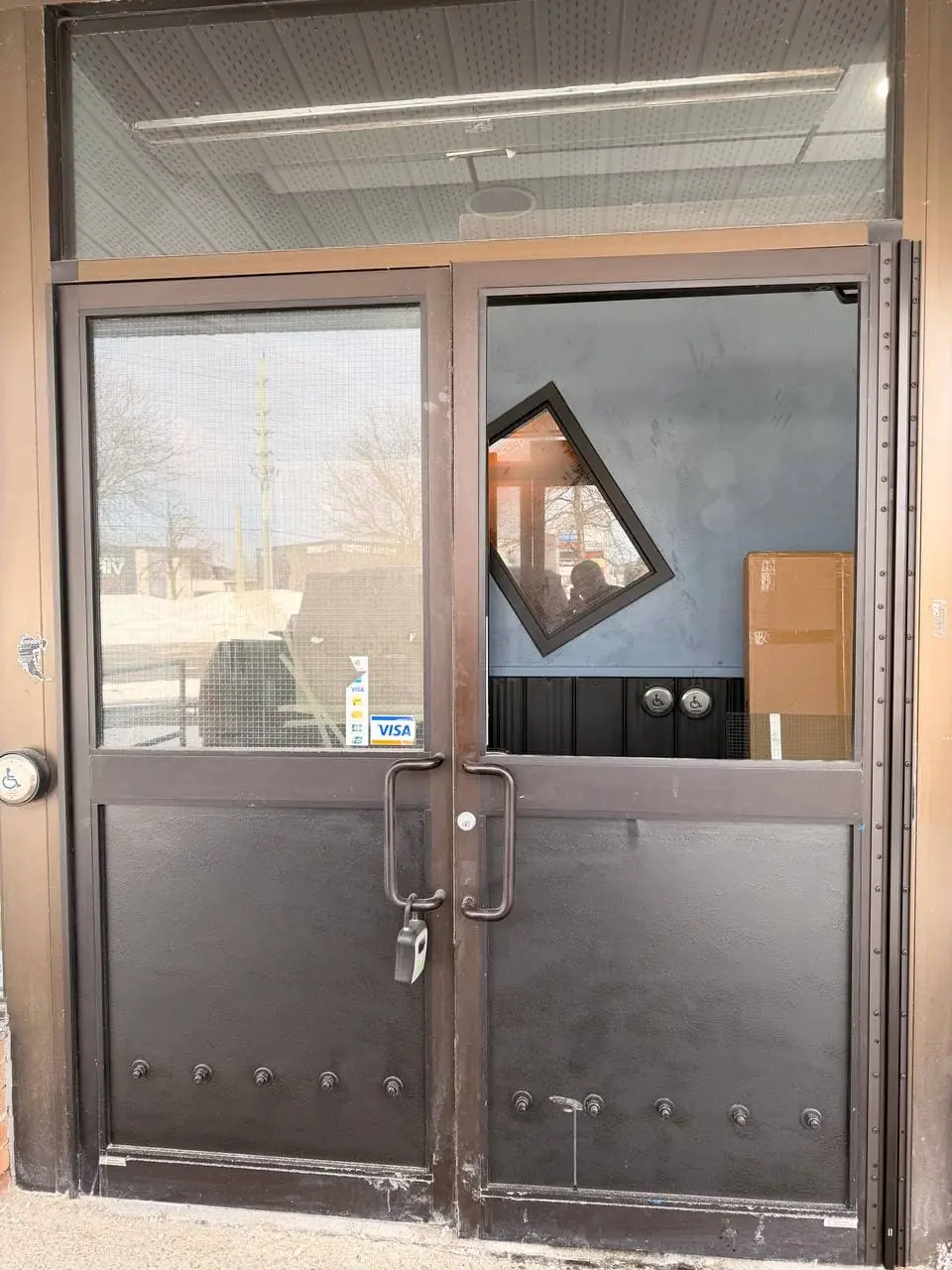
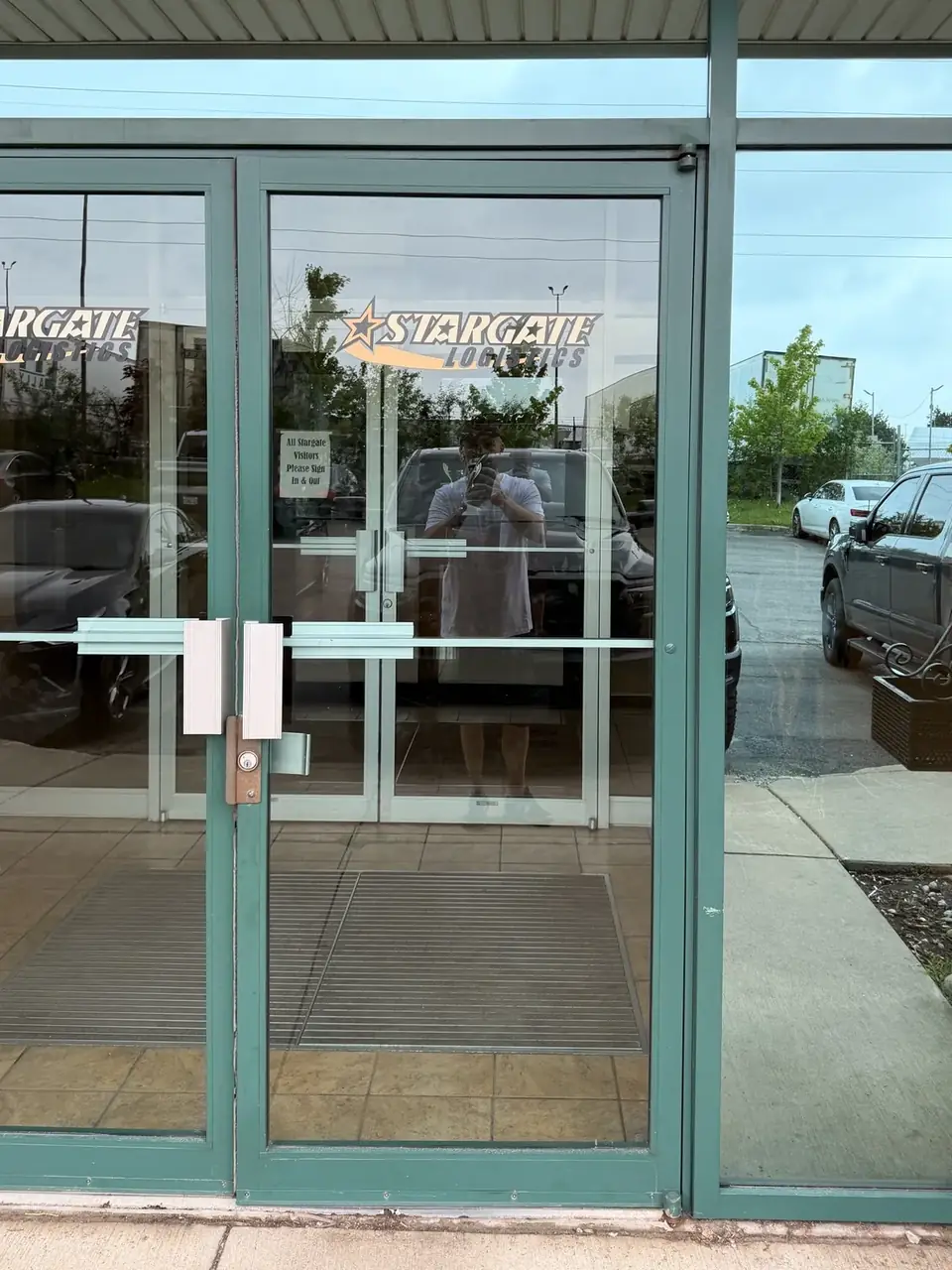 Before
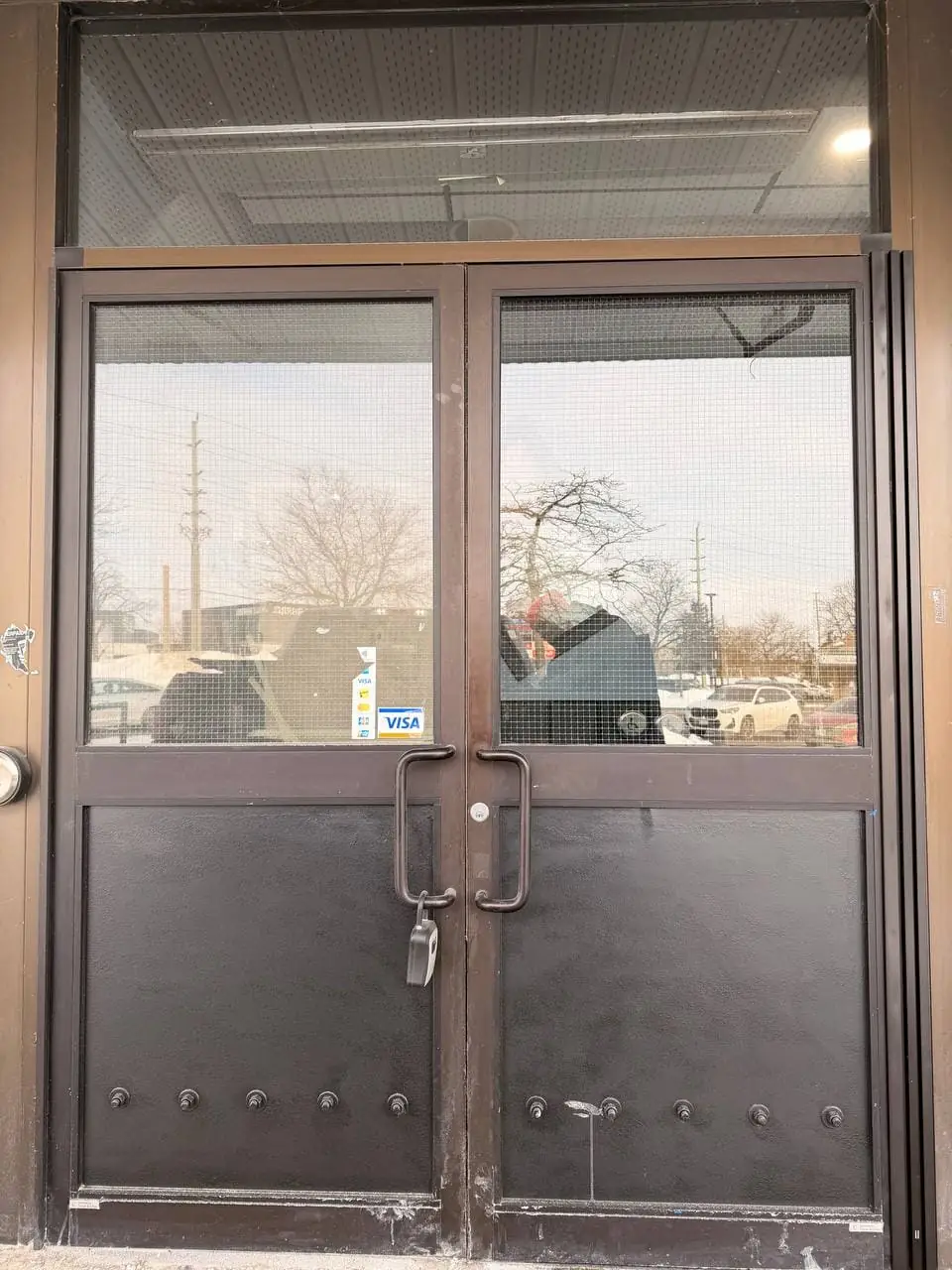
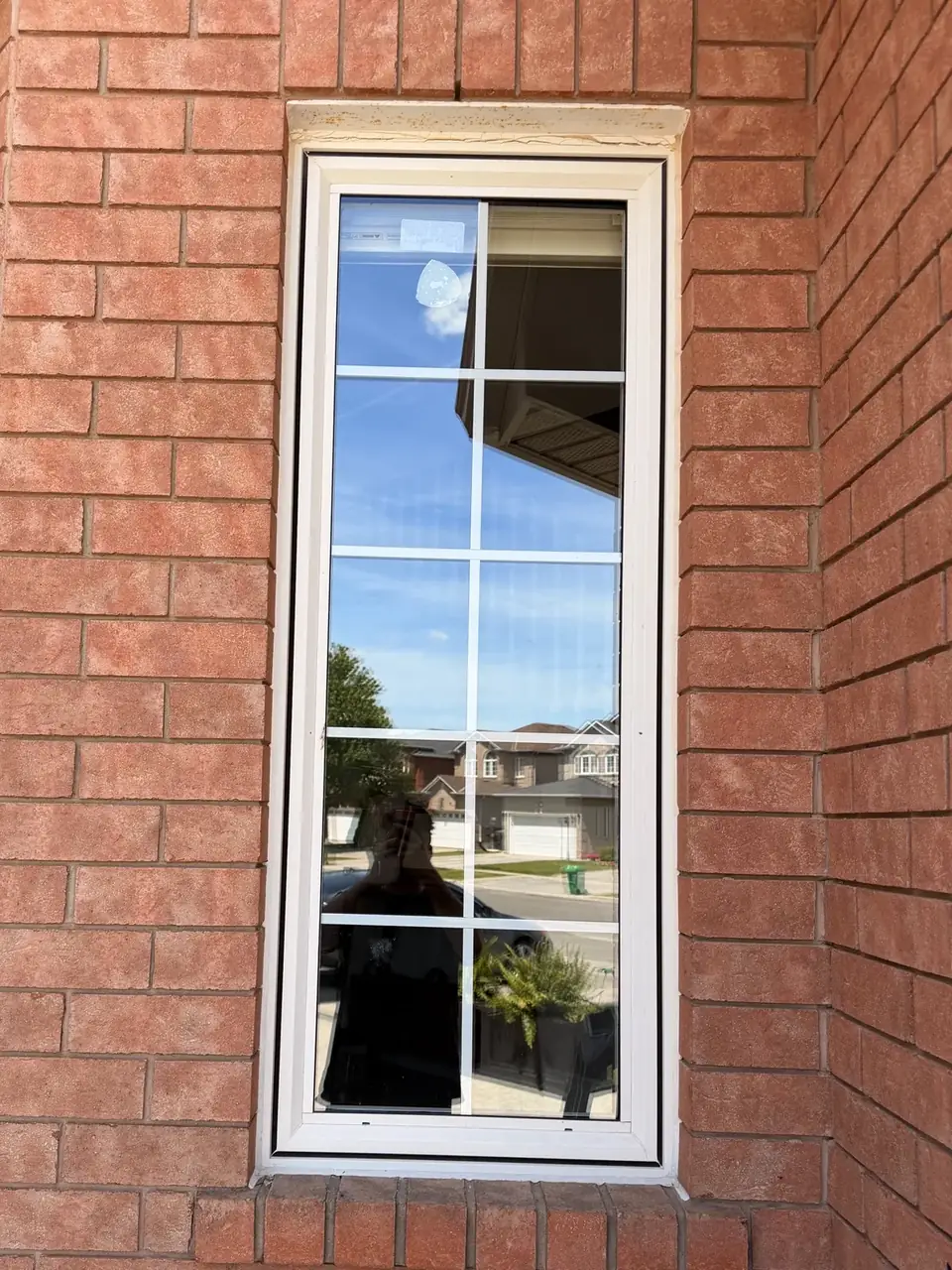
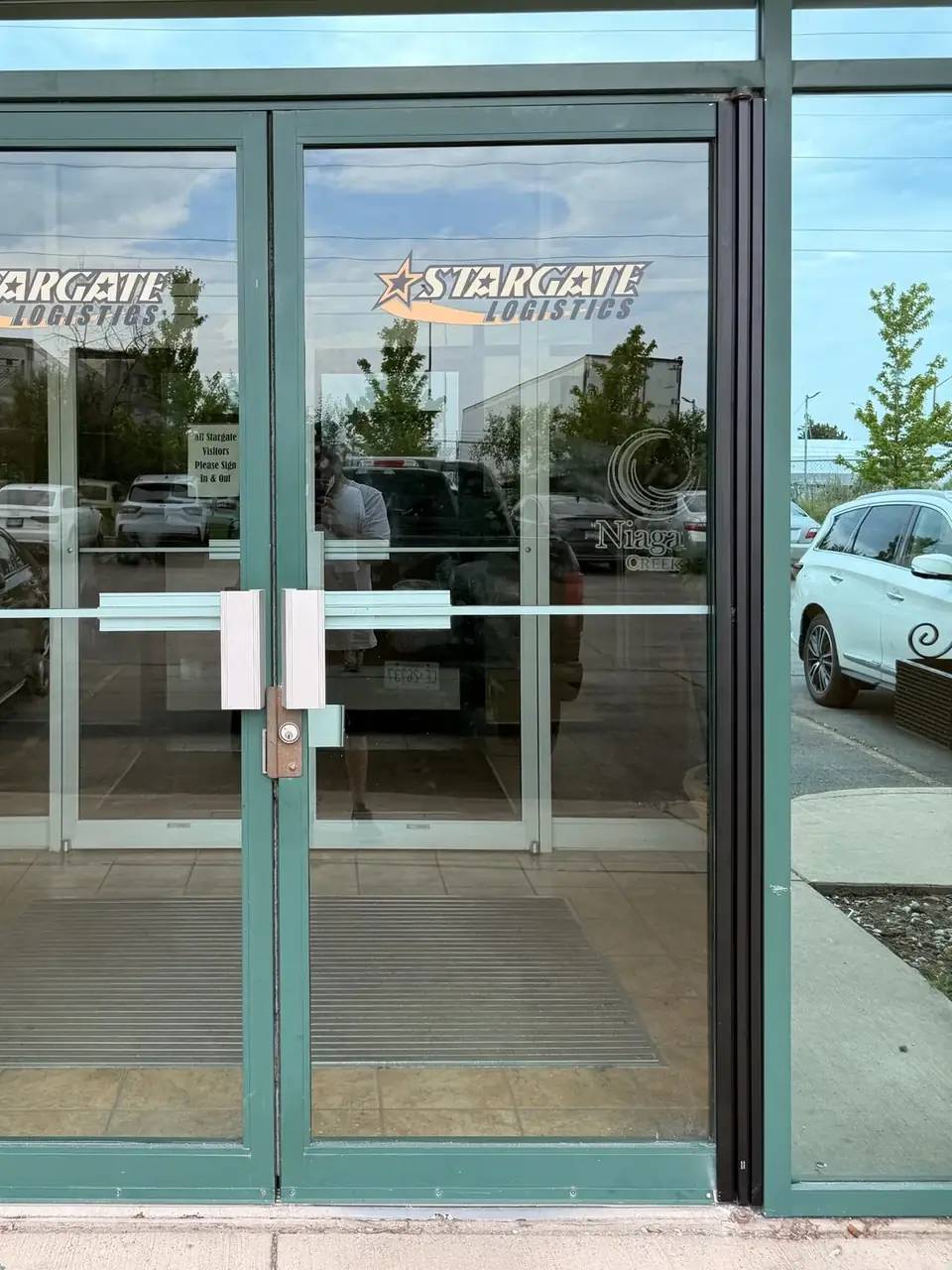 After