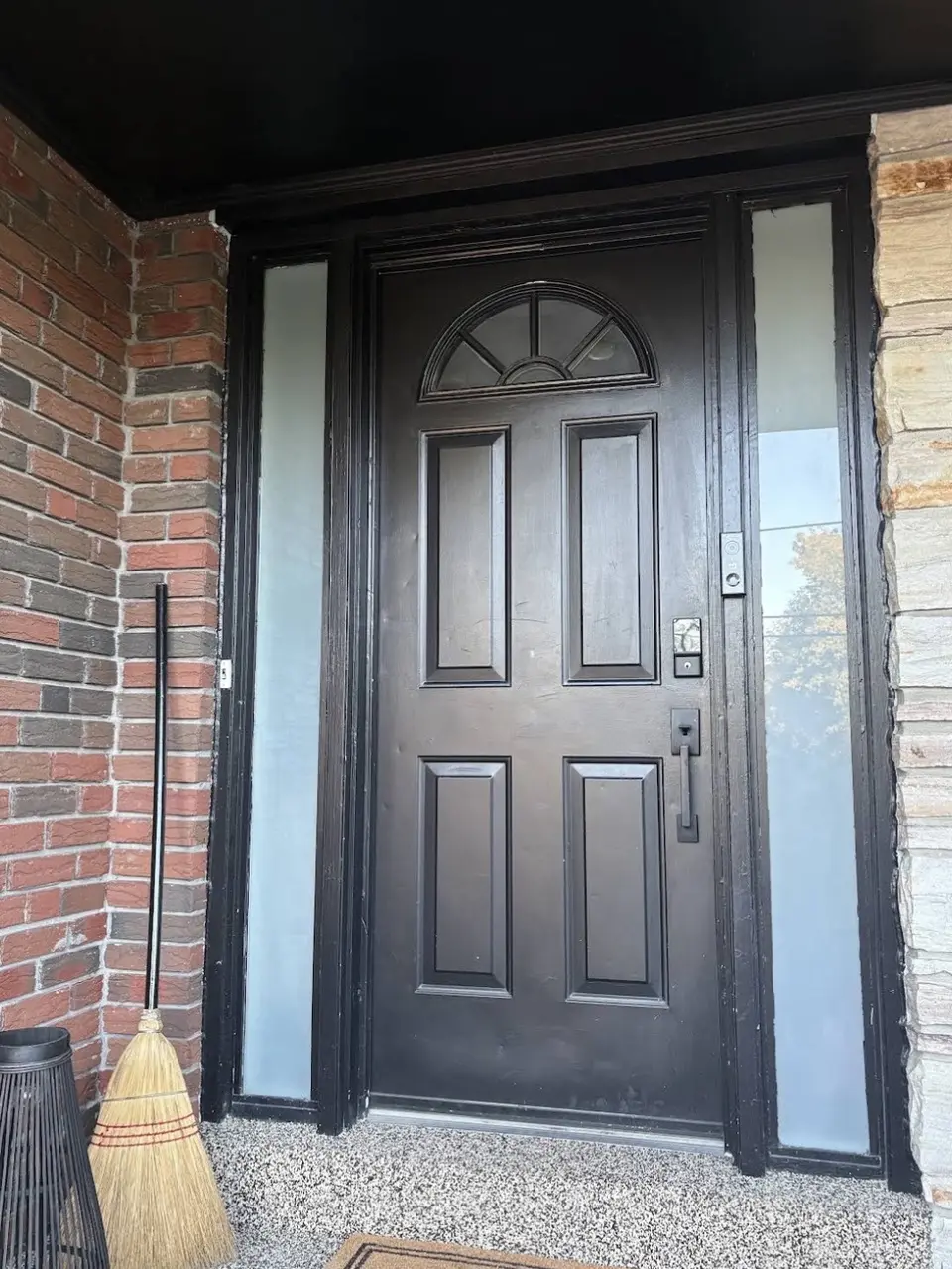
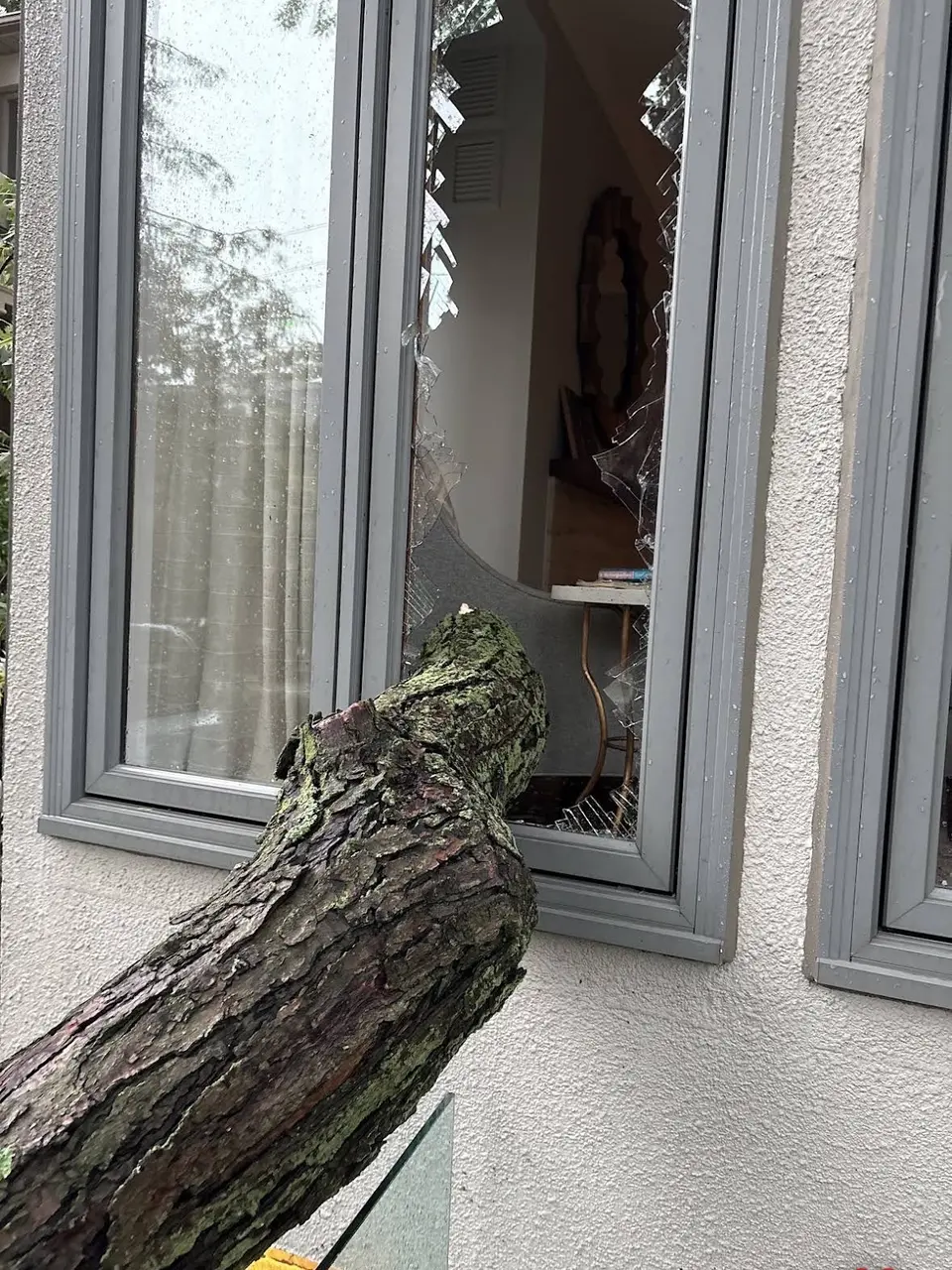
A condition review across multiple openings
We help property managers and commercial owners review glazing across several openings or locations. Tell us the unit count, known concerns and which buildings should be included so we can agree a useful inspection scope.
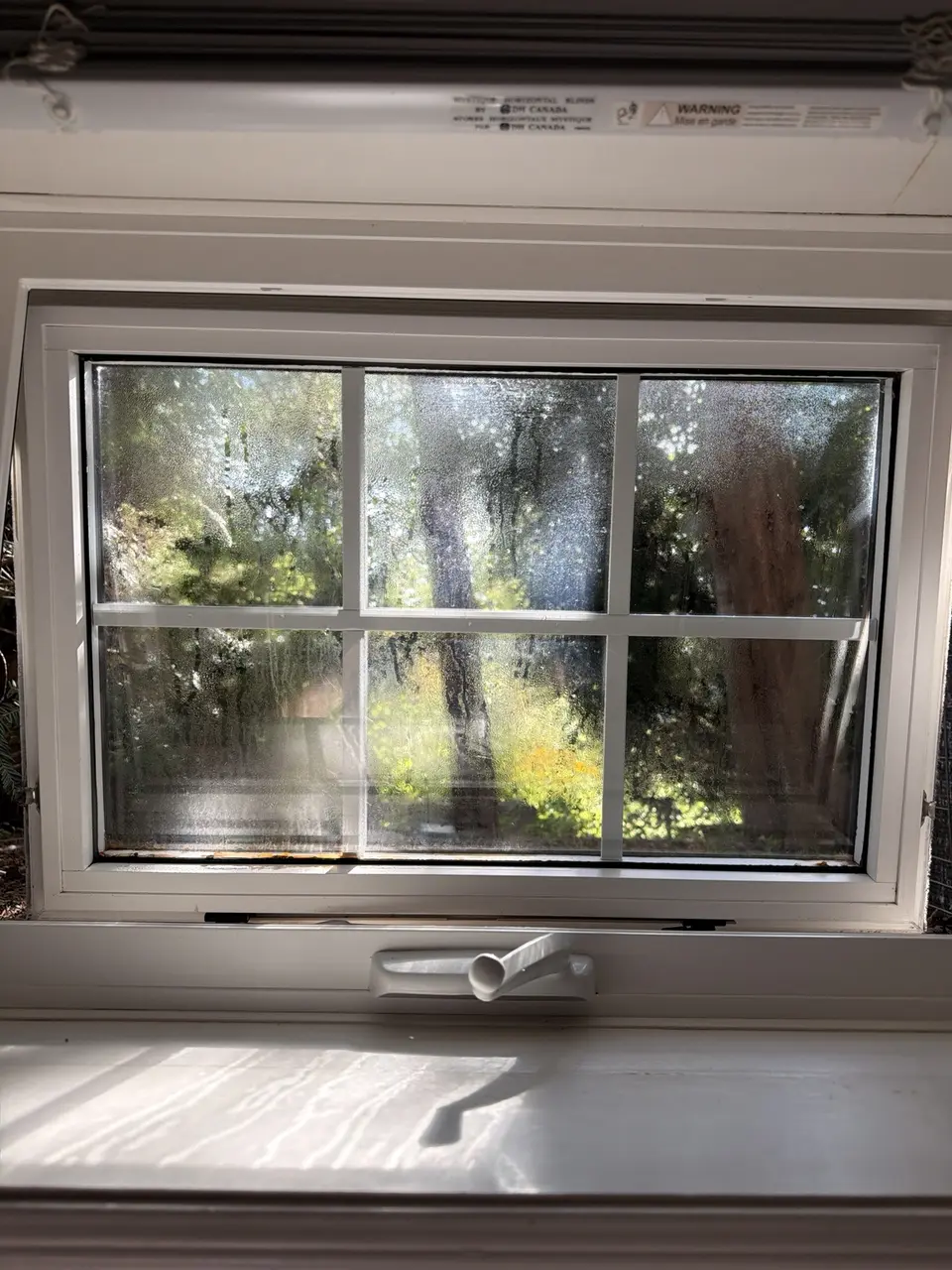
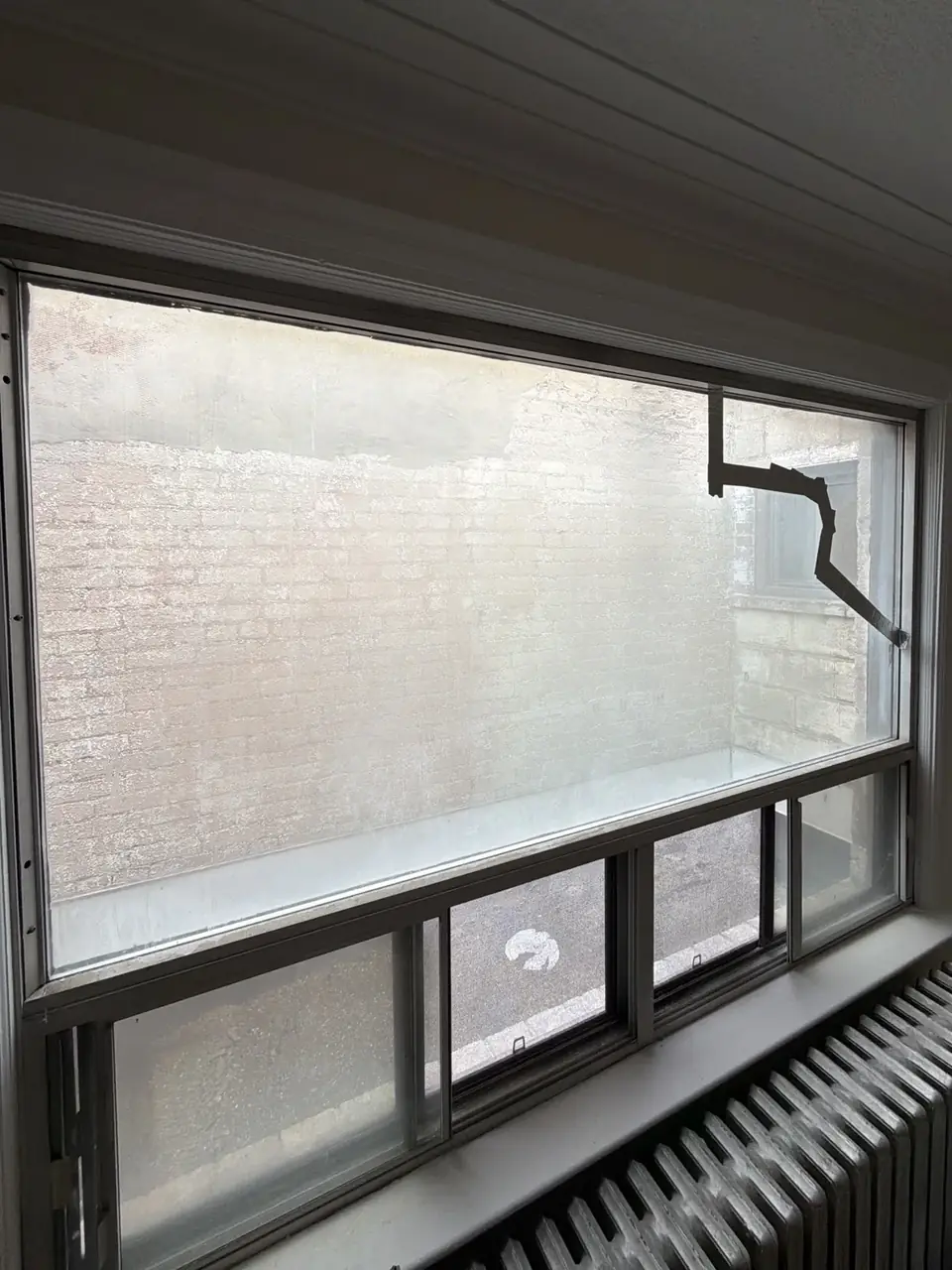
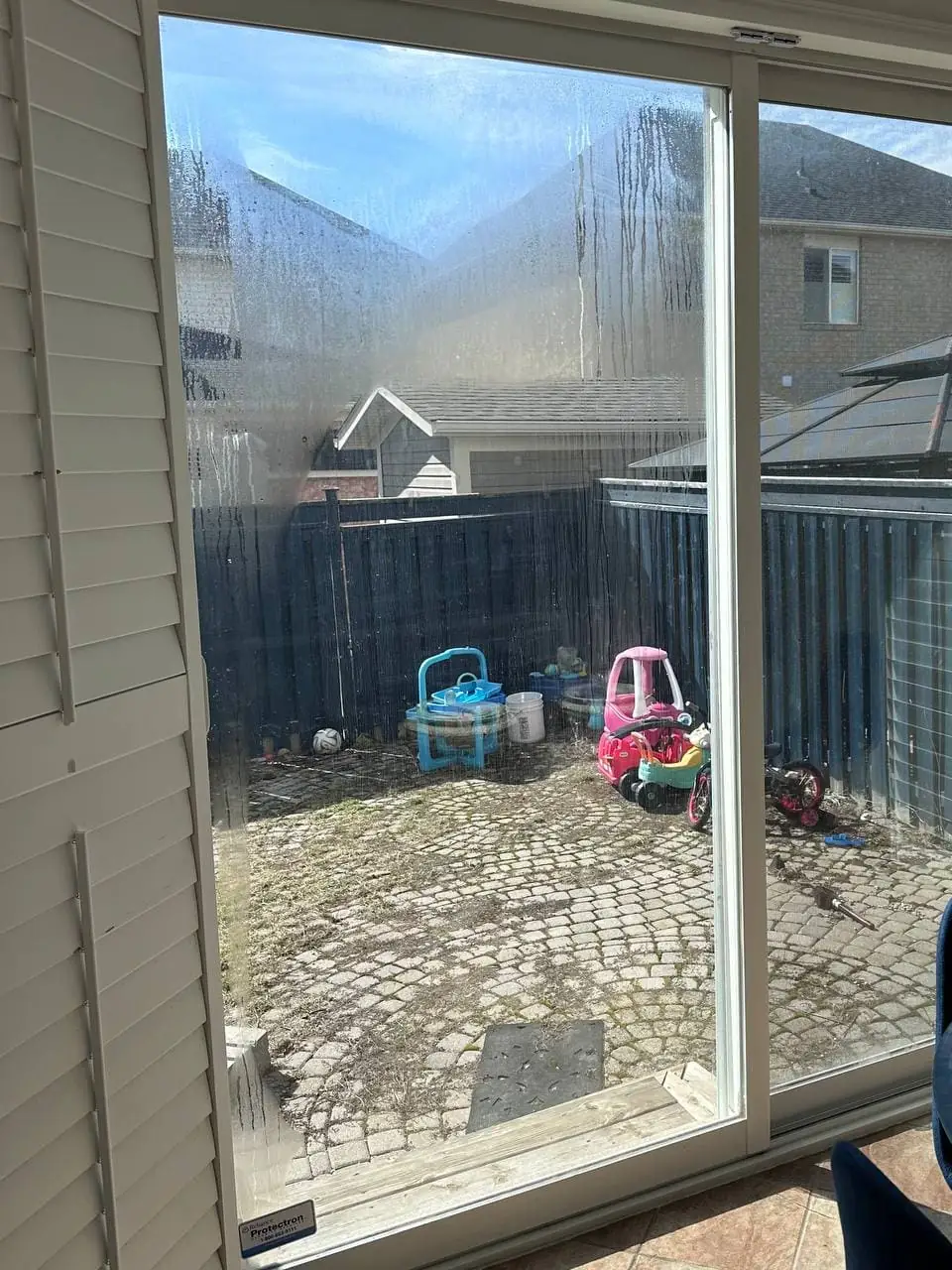
For one visibly foggy home window, a direct glass assessment may be the more useful starting point. A failed window unit can then be measured for replacement if the sash and frame are suitable.
What we look for
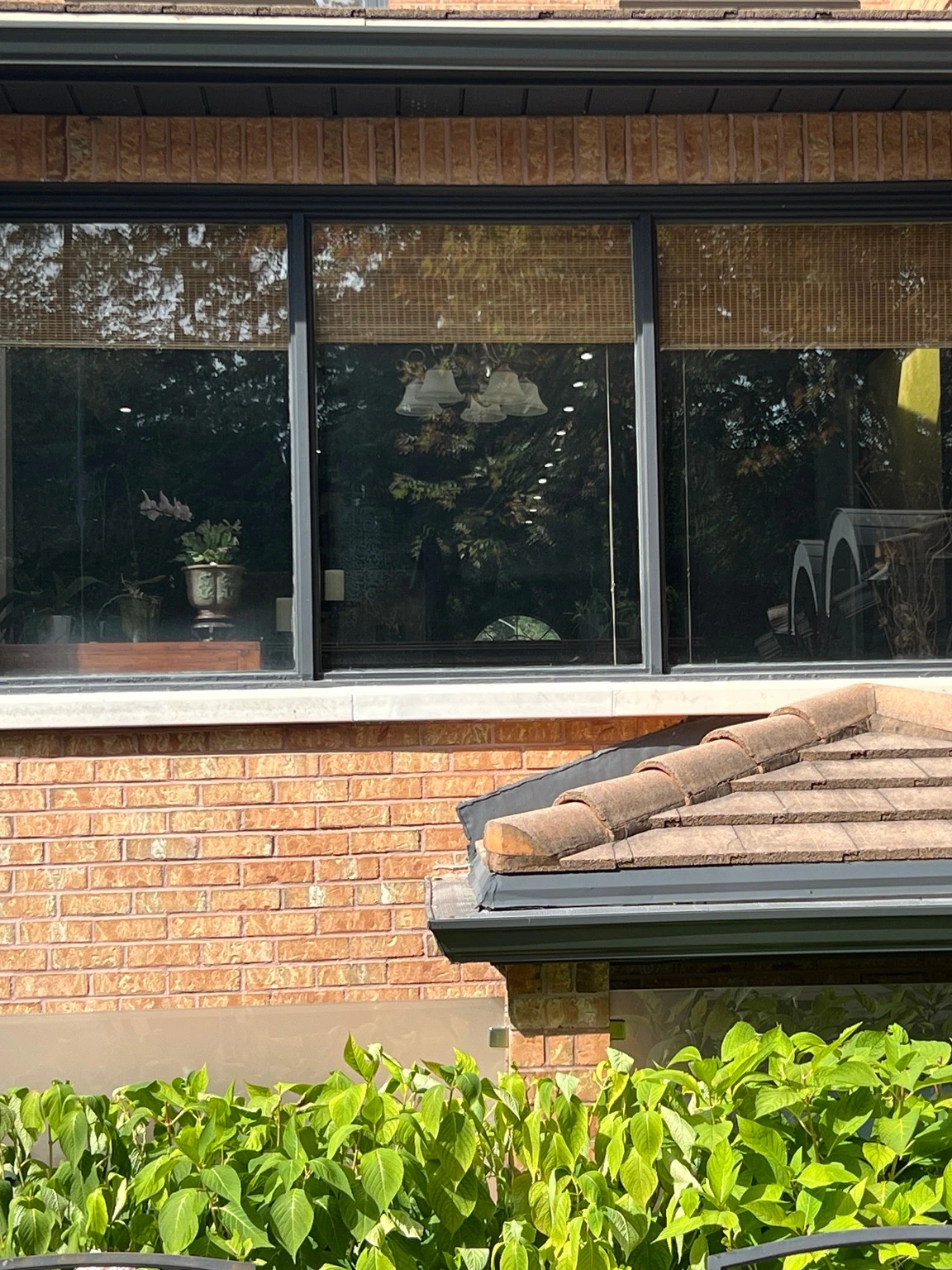
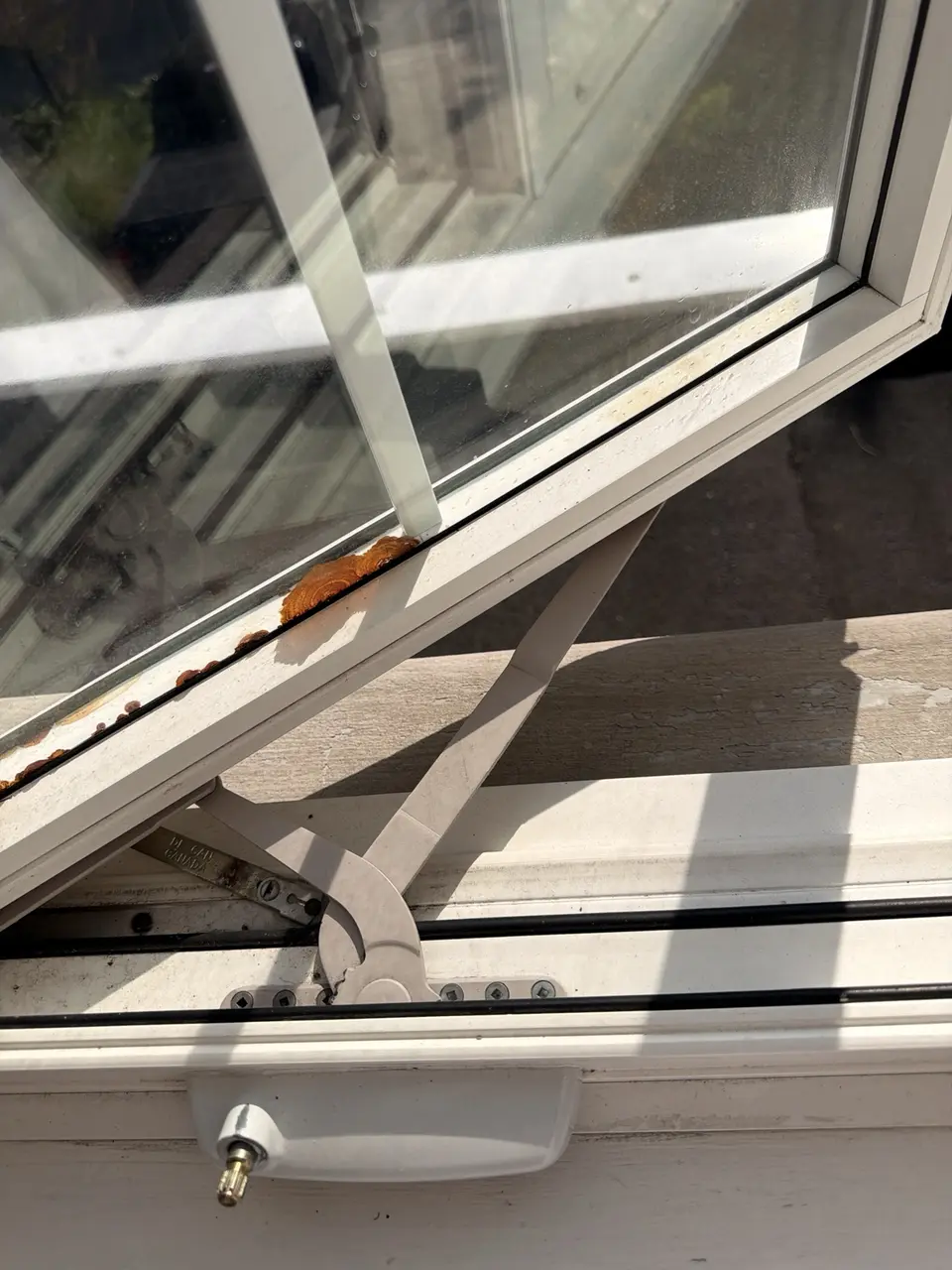
The review focuses on visible conditions in safely accessible areas. We consider the glass, accessible edges, spacers, seals and surrounding glazing support.
- We note haze or moisture that appears between panes and distinguish it from condensation on an exposed surface.
- We record visible glass damage and changes around safely accessible edges and spacers.
- We identify visible perimeter or glazing-support concerns that may require work beyond replacing the sealed unit.
- We record access restrictions and openings that need a further visit before their condition can be assessed.
Turn observations into a practical work list
We organize the findings by opening so the property contact can distinguish items for monitoring from units that need replacement assessment. The location of a unit, the visible concern and access requirements matter when planning the work.
A visual condition review cannot establish a guaranteed remaining service life or certify a concealed seal. Surface condensation, moisture inside a sealed unit and water around the frame also need to be distinguished before the cause is assigned.
Plan glass replacement separately
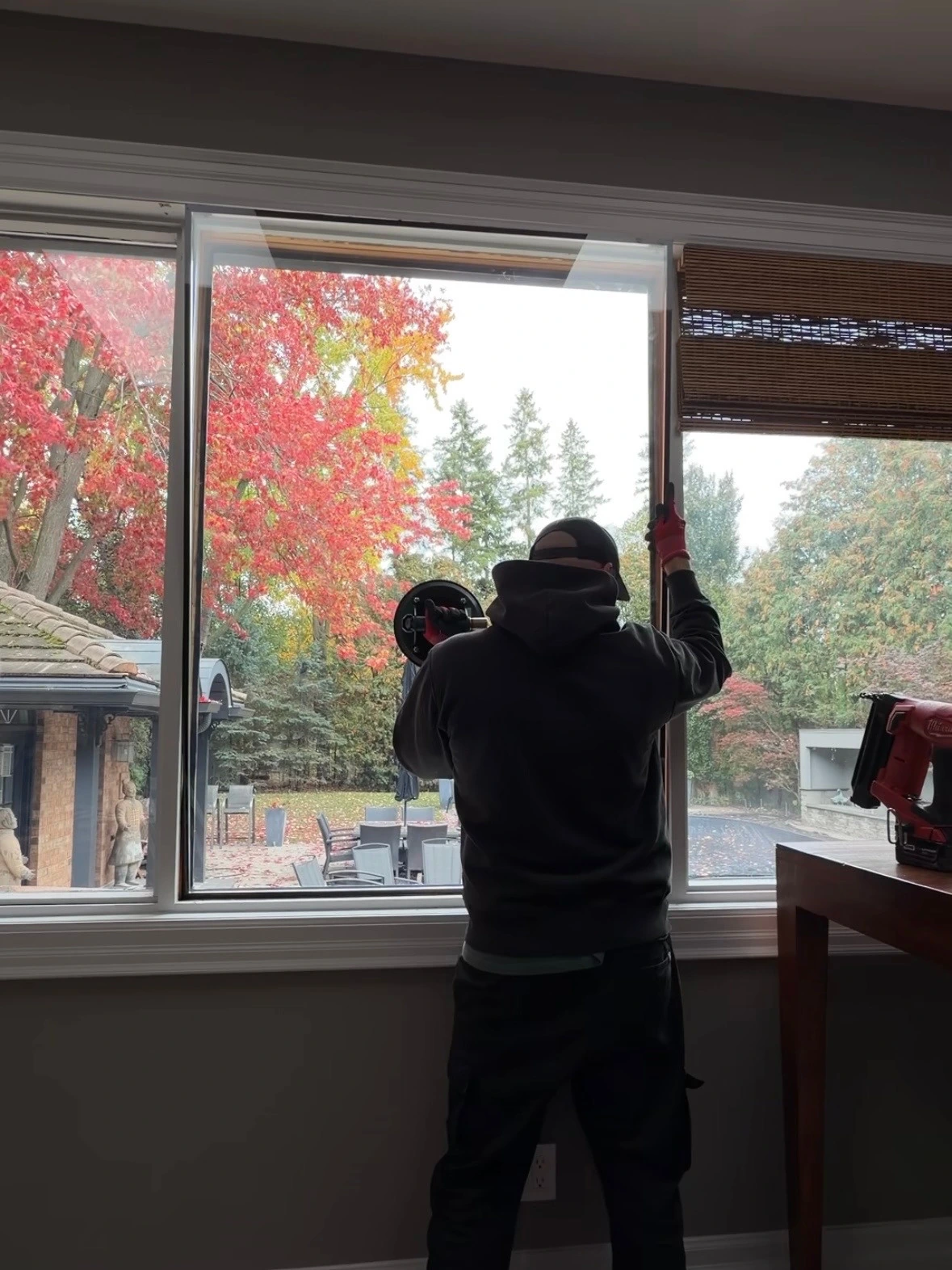
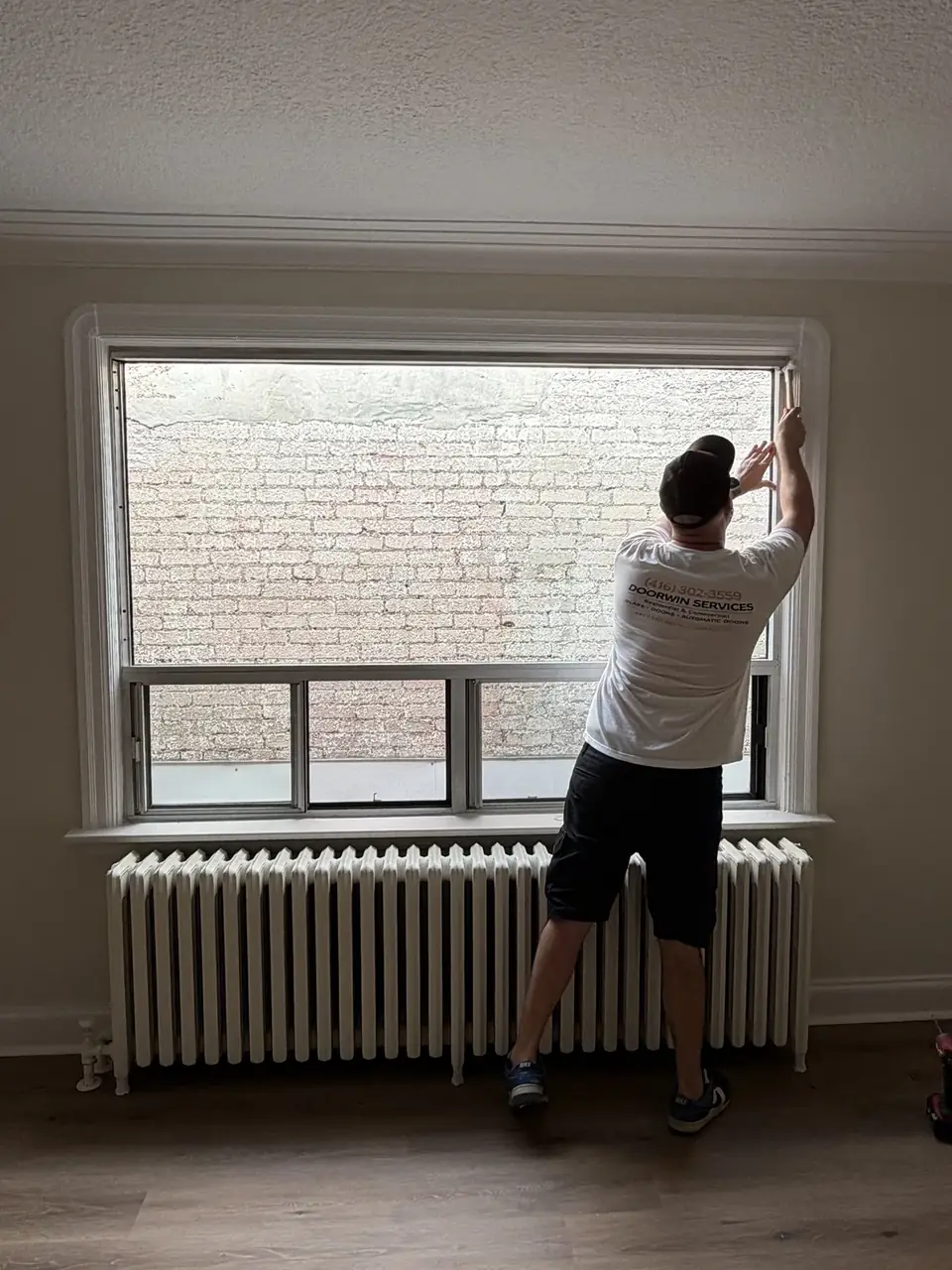
When we confirm a failed or damaged unit, we explain the measurement and specification needed for replacement. Glass type, thickness, spacer details, access and surrounding frame work determine the follow-up quote.
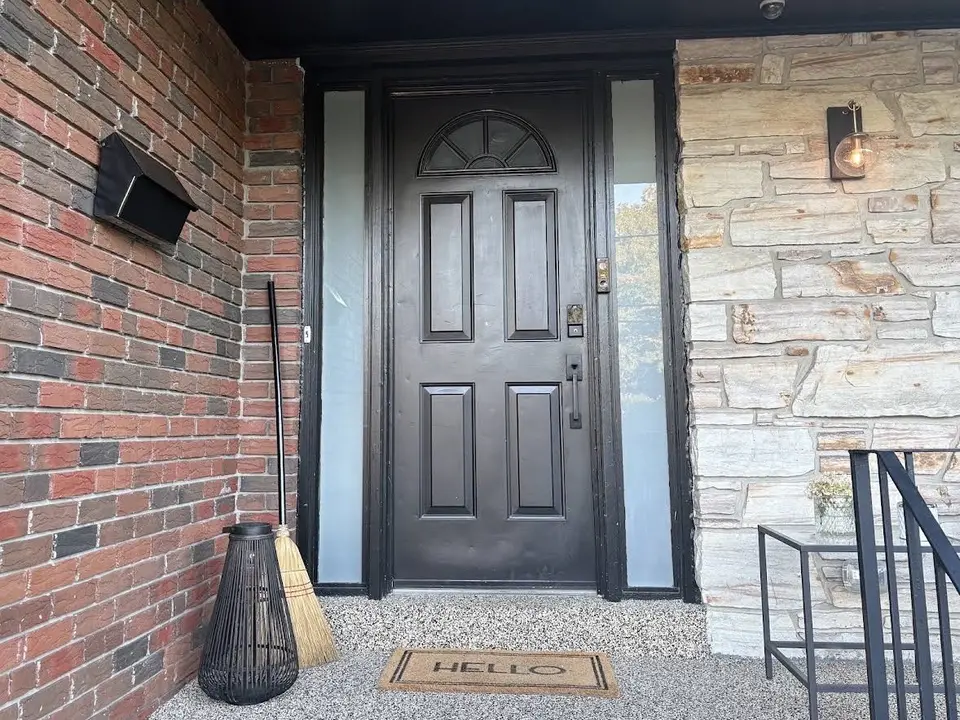
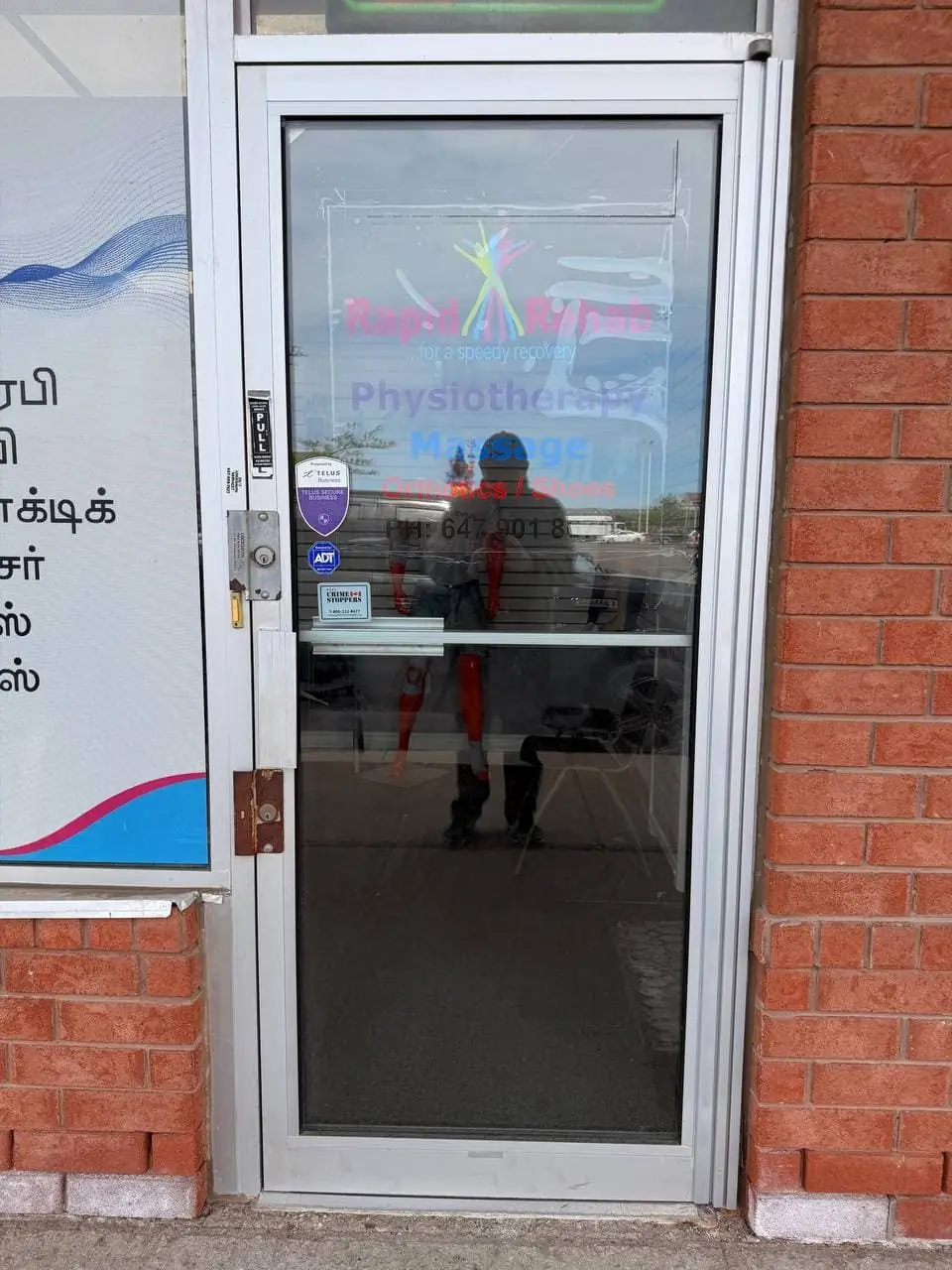
We assess door glass, storefront panels and window units according to their individual systems. We explain the appropriate replacement work and which frames or other components can remain.
Prepare the property for the review
Send the building location, approximate opening count and the areas causing concern. Identify floor levels, tenant access and any known restrictions. Existing photos or a window list can help organize the visit. Photograph only safely accessible areas and leave damaged glass alone.

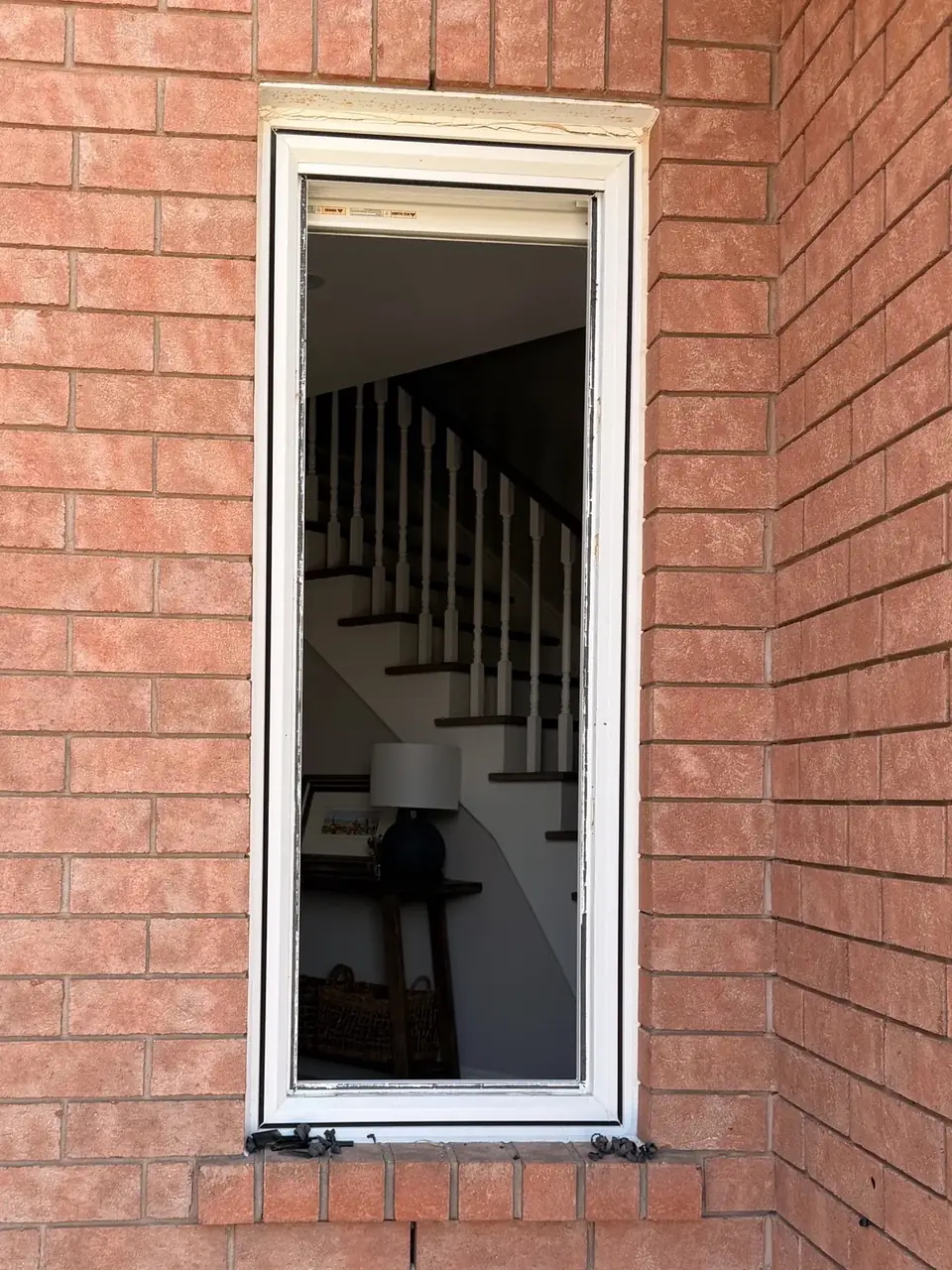
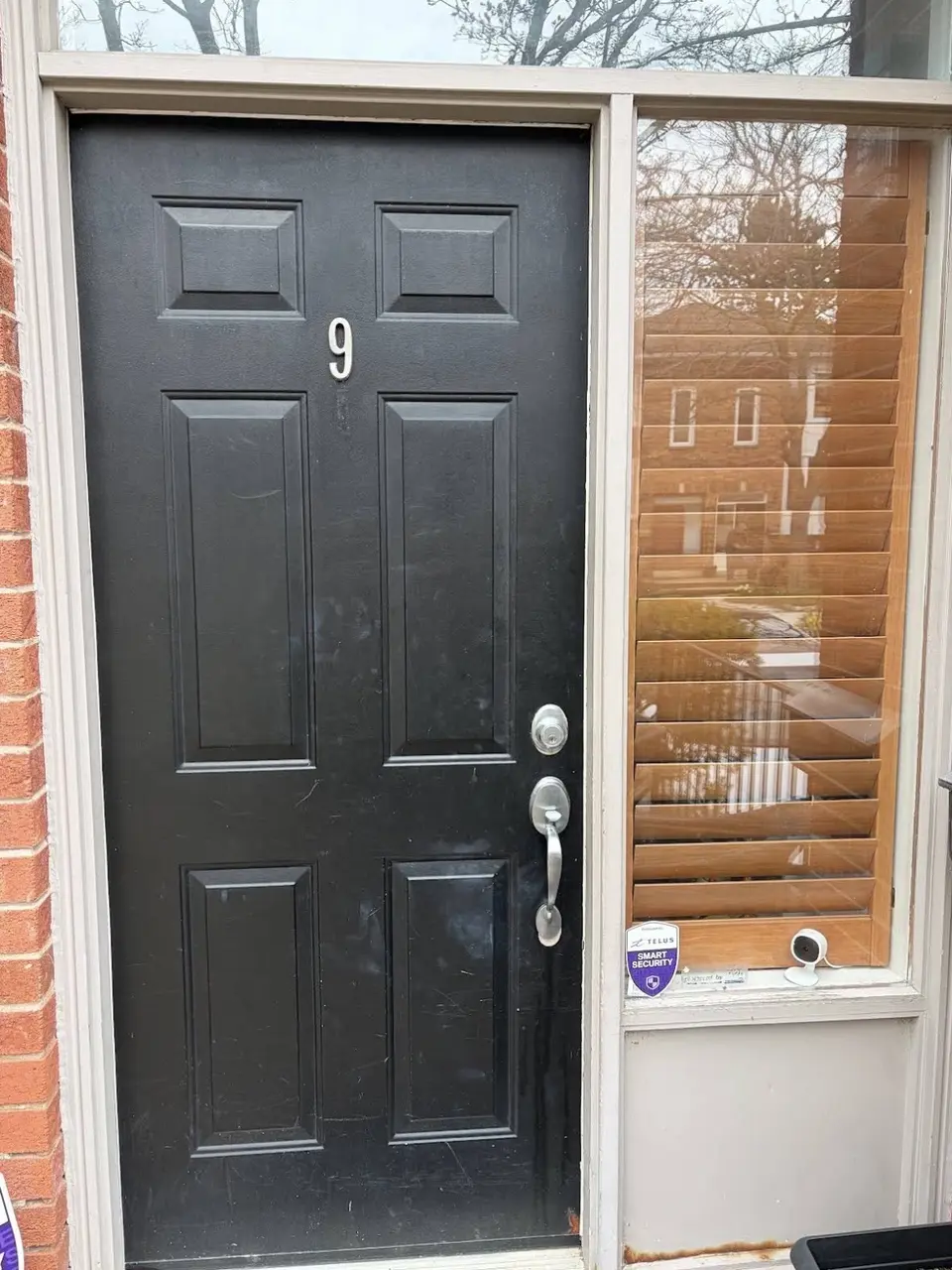
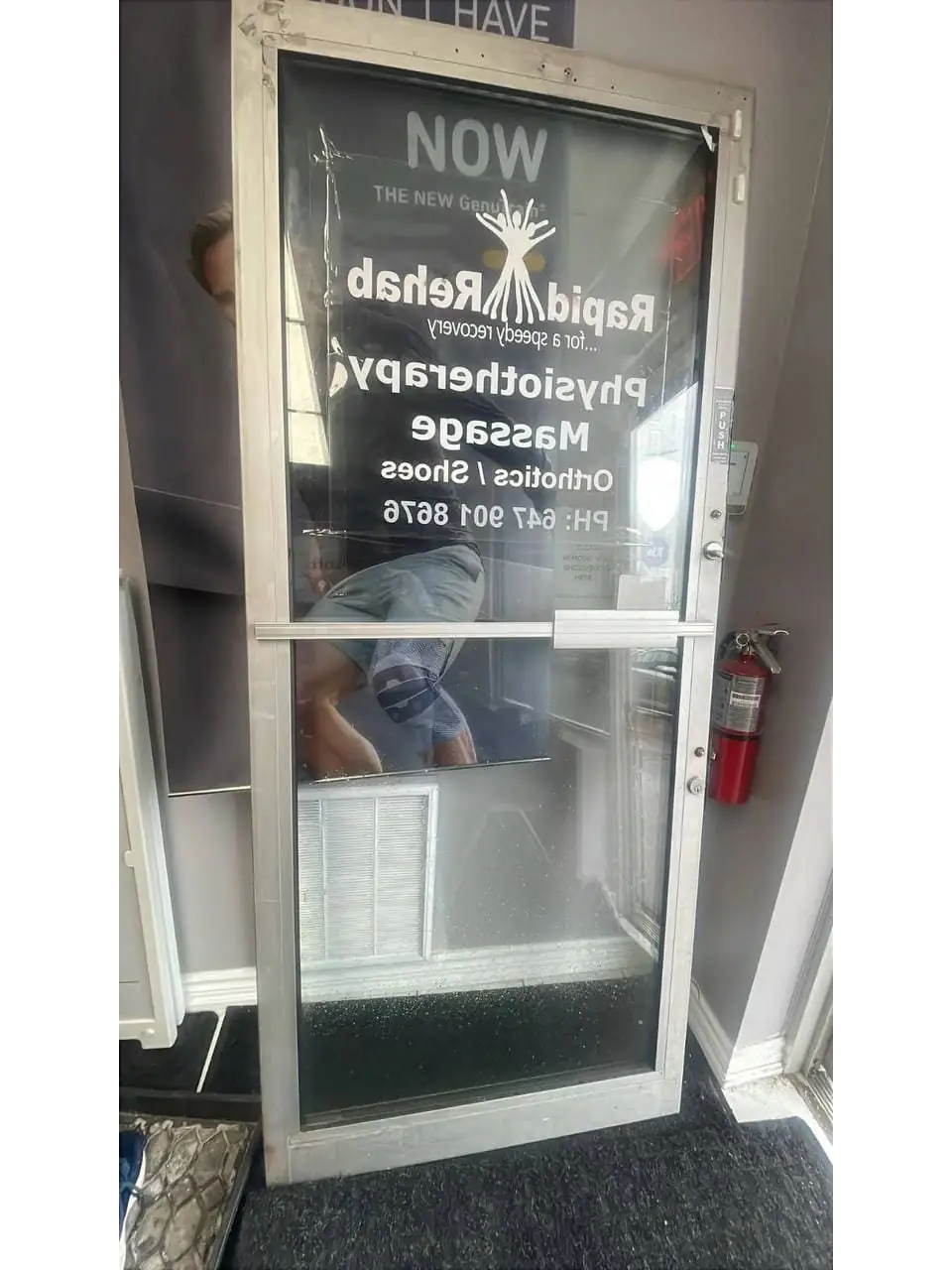 Before
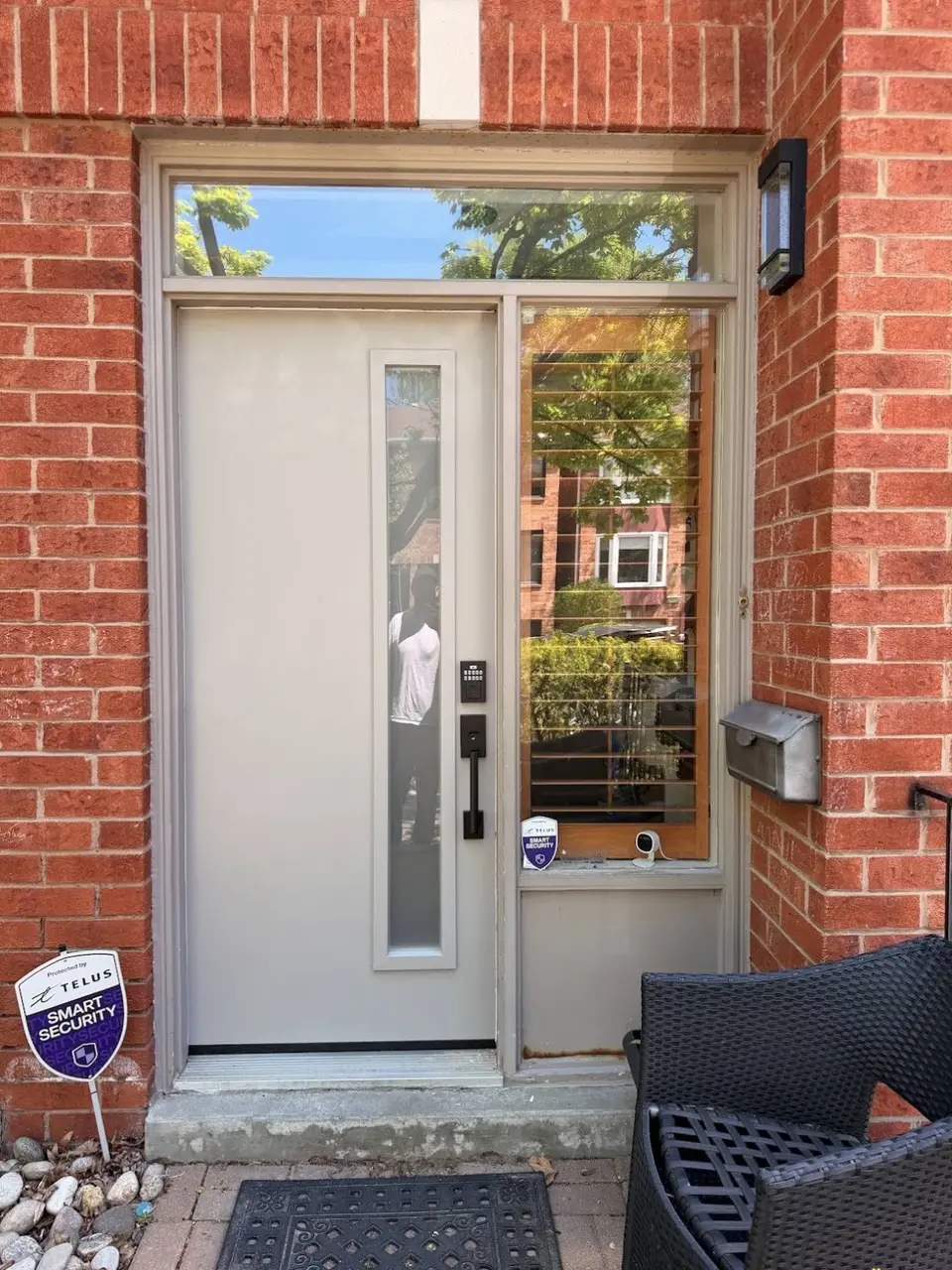
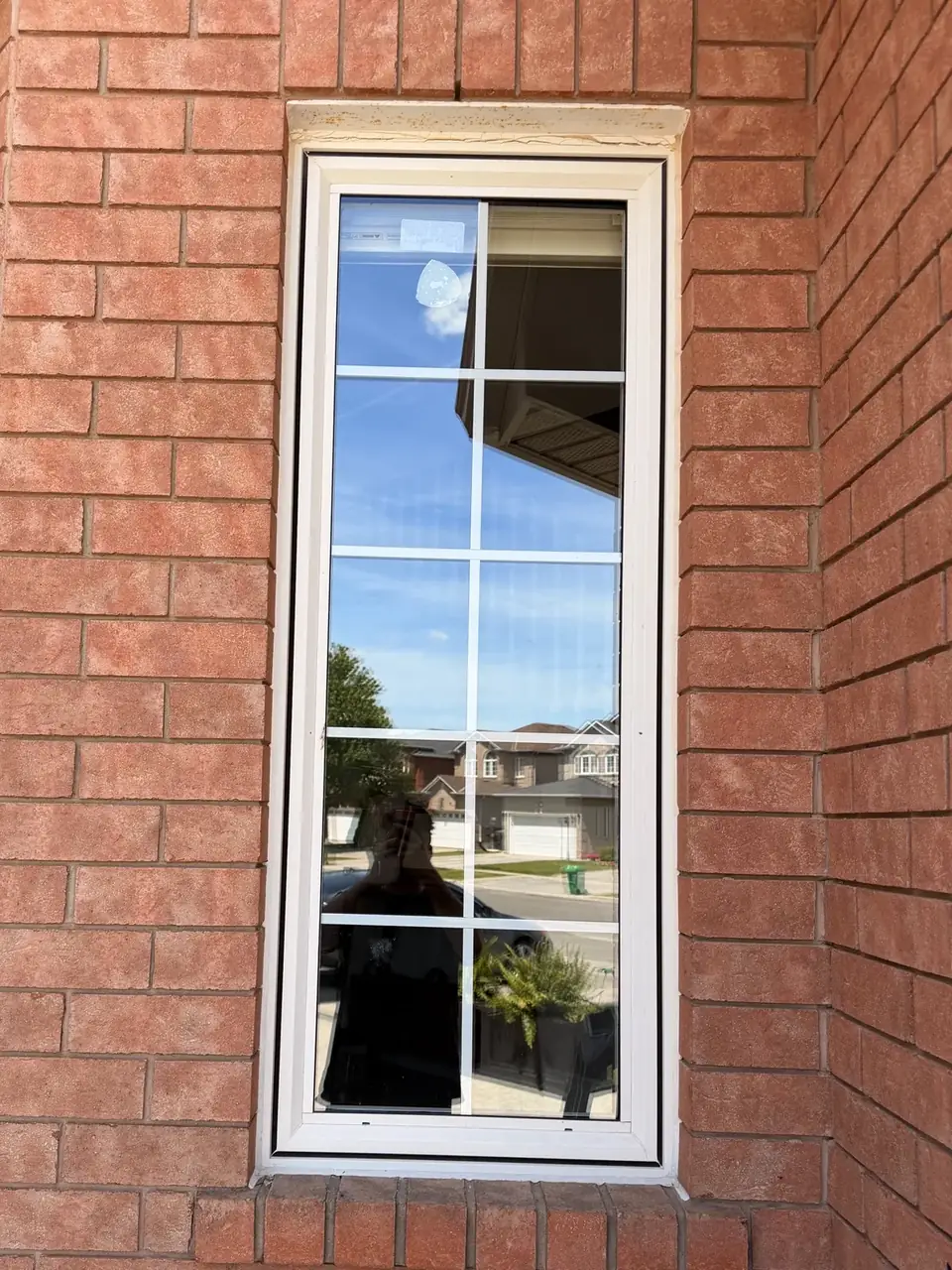
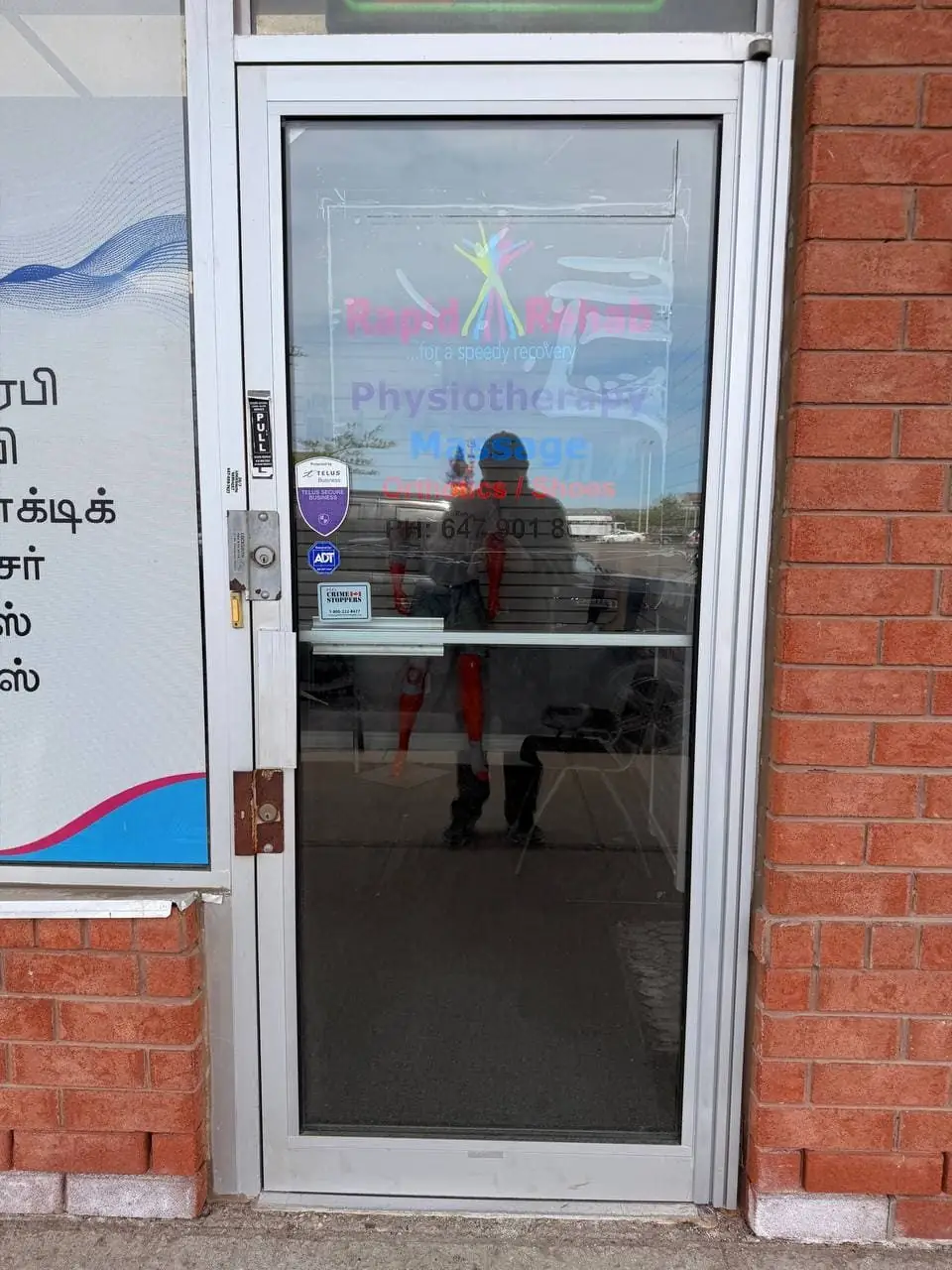 After