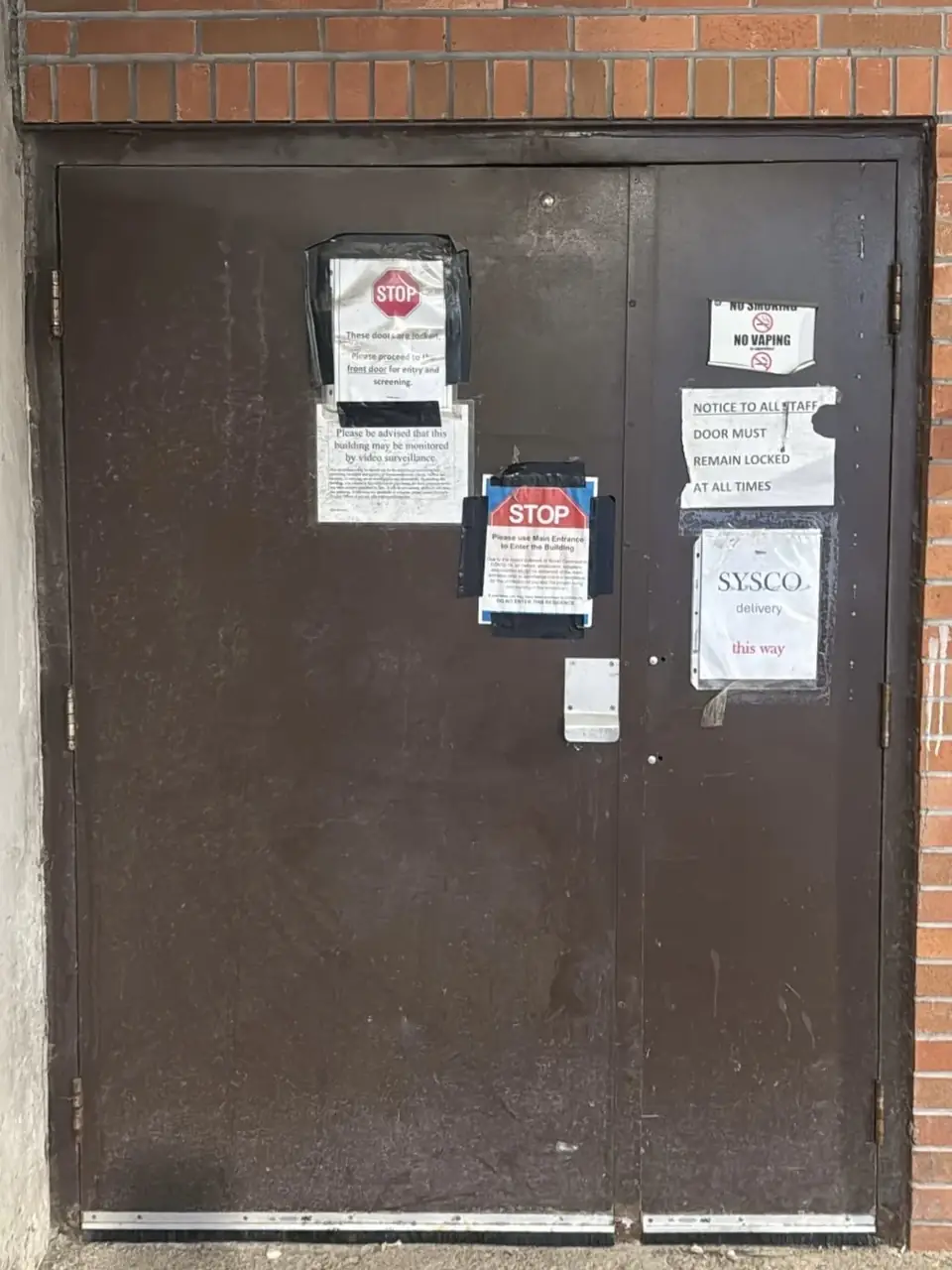
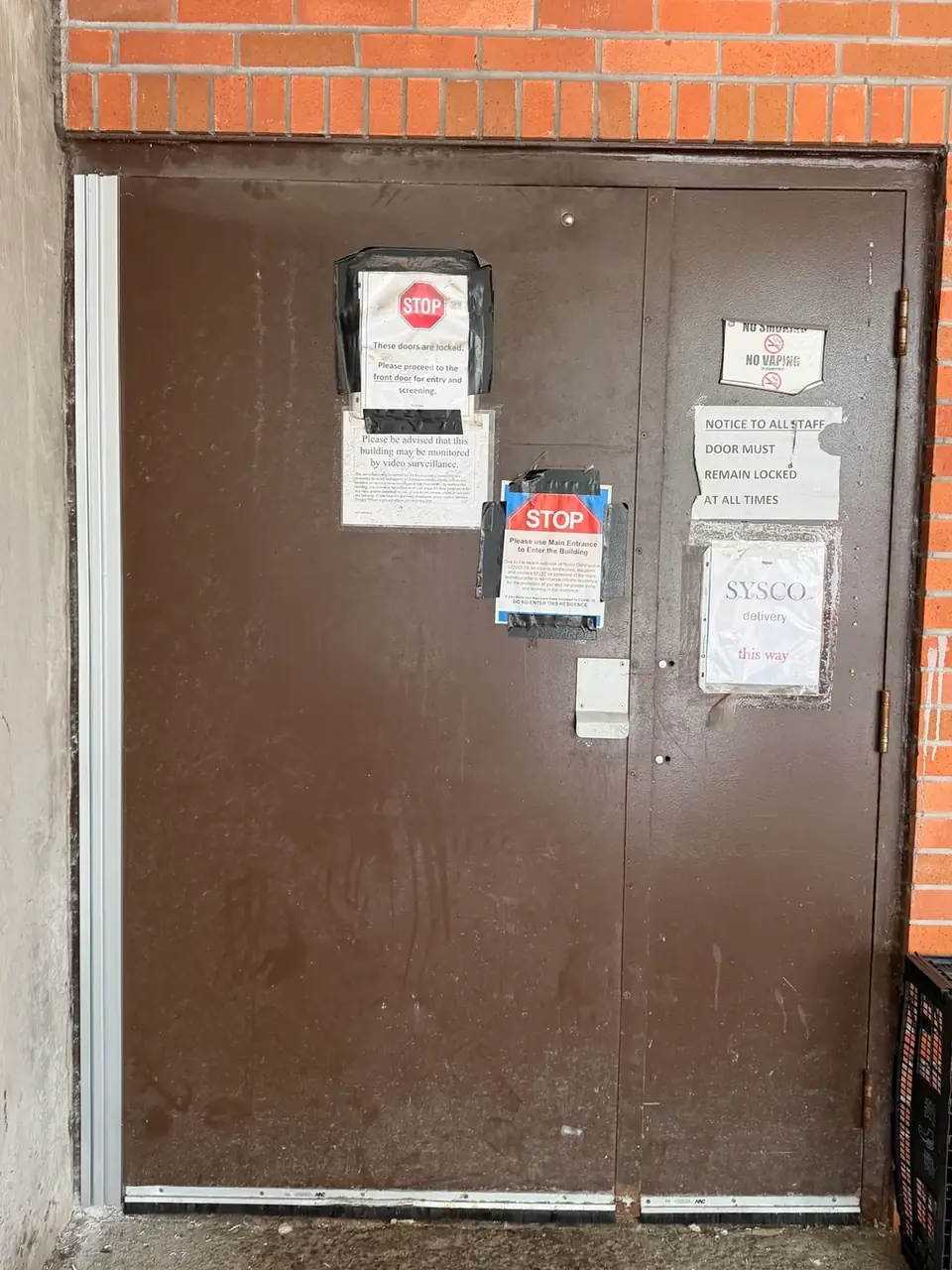
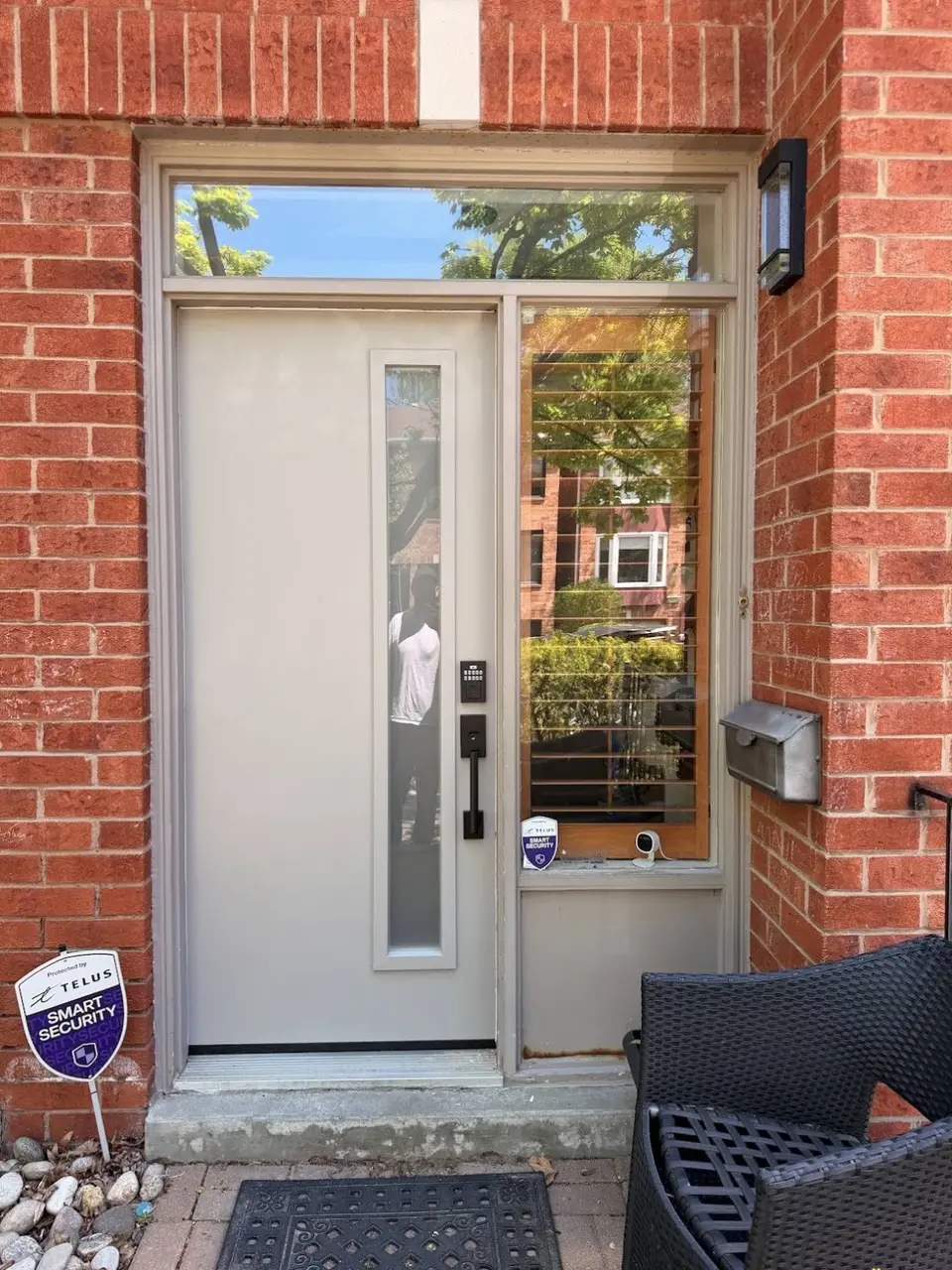
Start with the buildings and openings you want covered
A useful plan begins with a clear list: which buildings, which entrances or windows, and which problems keep returning. Tell us about busy customer doors, tenant complaints, previous repairs and any access restrictions.
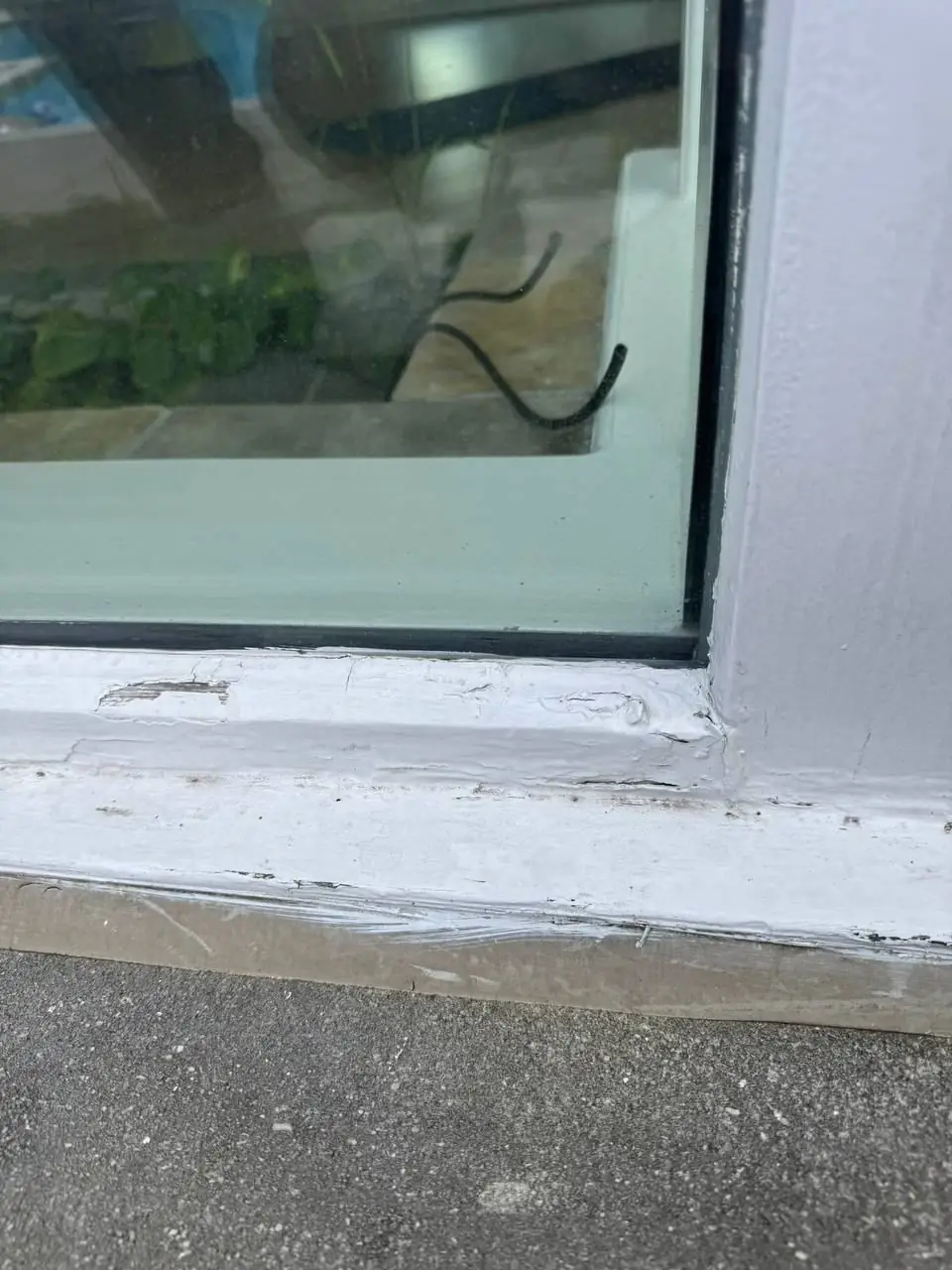
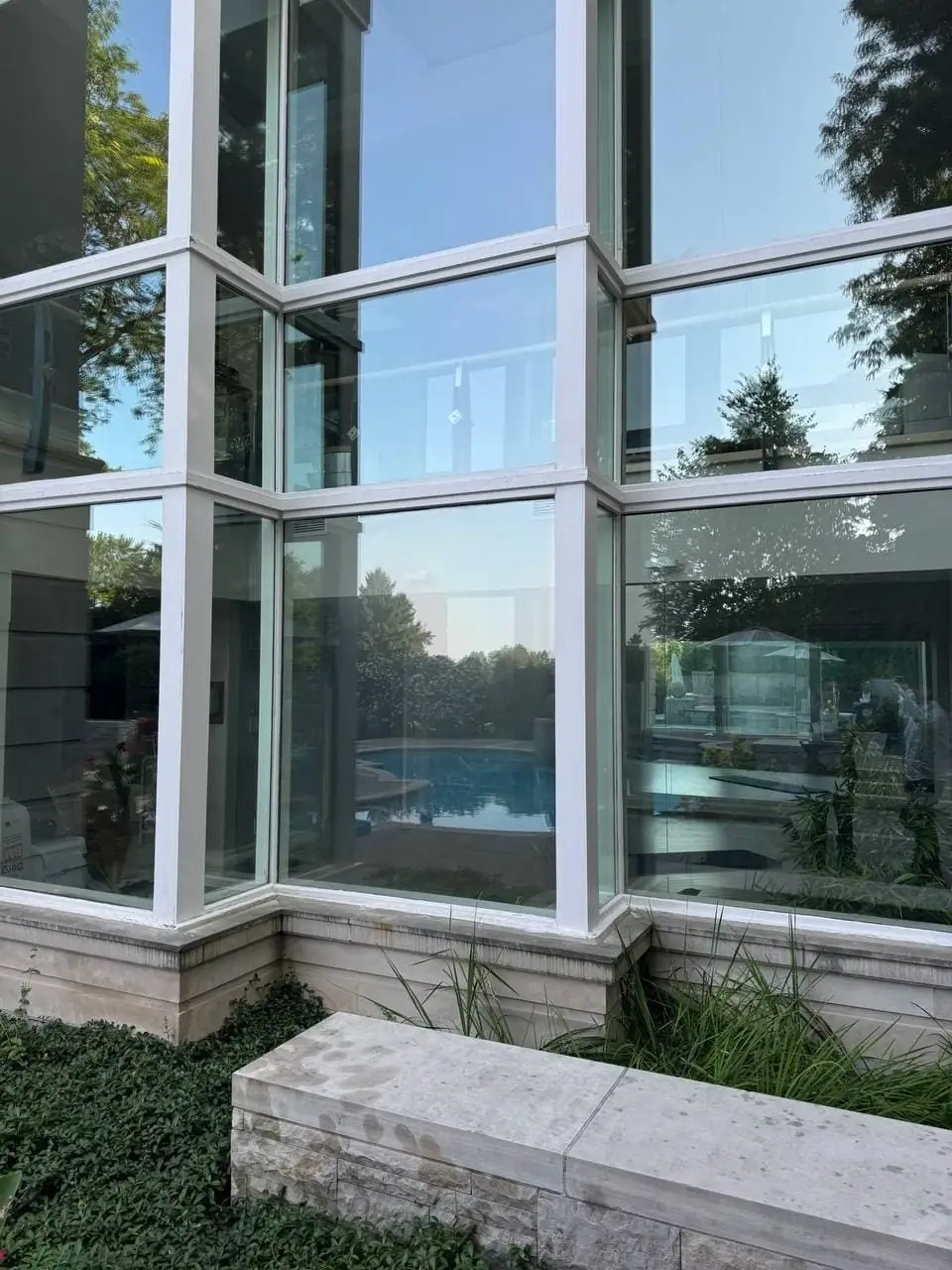
The agreed scope can cover commercial doors and hardware, window and glass conditions, weatherseals and suitable automatic-door systems. We confirm the systems and tasks for your properties before planning visits.
Set priorities from the condition we find
An opening that cannot close, secure or move safely needs a different response from an early-wear item that can be scheduled. During the agreed review, we separate those concerns so the property contact understands what needs attention.
- Urgent concerns: we identify exposed openings, unstable components and doors that cannot secure so the property contact can address them promptly.
- Planned repairs: we explain failed or worn components, compatible replacement needs and the work to be quoted separately.
- Routine maintenance: we specify adjustment, tightening, suitable lubrication or other agreed preventive work on serviceable parts.
- Follow-up checks: we record visible changes and discuss which openings should be reviewed again.
Know what is included before the work starts
The plan identifies the openings and maintenance tasks being scheduled. If inspection finds a failed closer, lock, glass unit or other component, we explain the repair or replacement and provide a separate quote before carrying out that work.
Tell us who can approve repairs, any purchase-order requirements and how access will be arranged. Materials, additional visits and broader door or window replacement should be part of the agreed scope, not assumptions.
Keep findings useful for the property team
We record the findings and completed work for the property contact, with follow-up priorities discussed against the condition of the openings. Share any existing asset list or reporting requirements before the first walkthrough.
For multiple locations, tell us how you identify buildings and entrances and who coordinates each site. We can then discuss how the visits and information should be organized.
Choose a schedule that fits the property
Traffic, equipment, condition and relevant manufacturer requirements affect how often an opening should be reviewed. A heavily used entrance and a lightly used service door may need different attention.
We discuss the follow-up schedule from the first review and the issues observed. The plan supports earlier decisions and organized work; repair costs still depend on the faults and materials required.

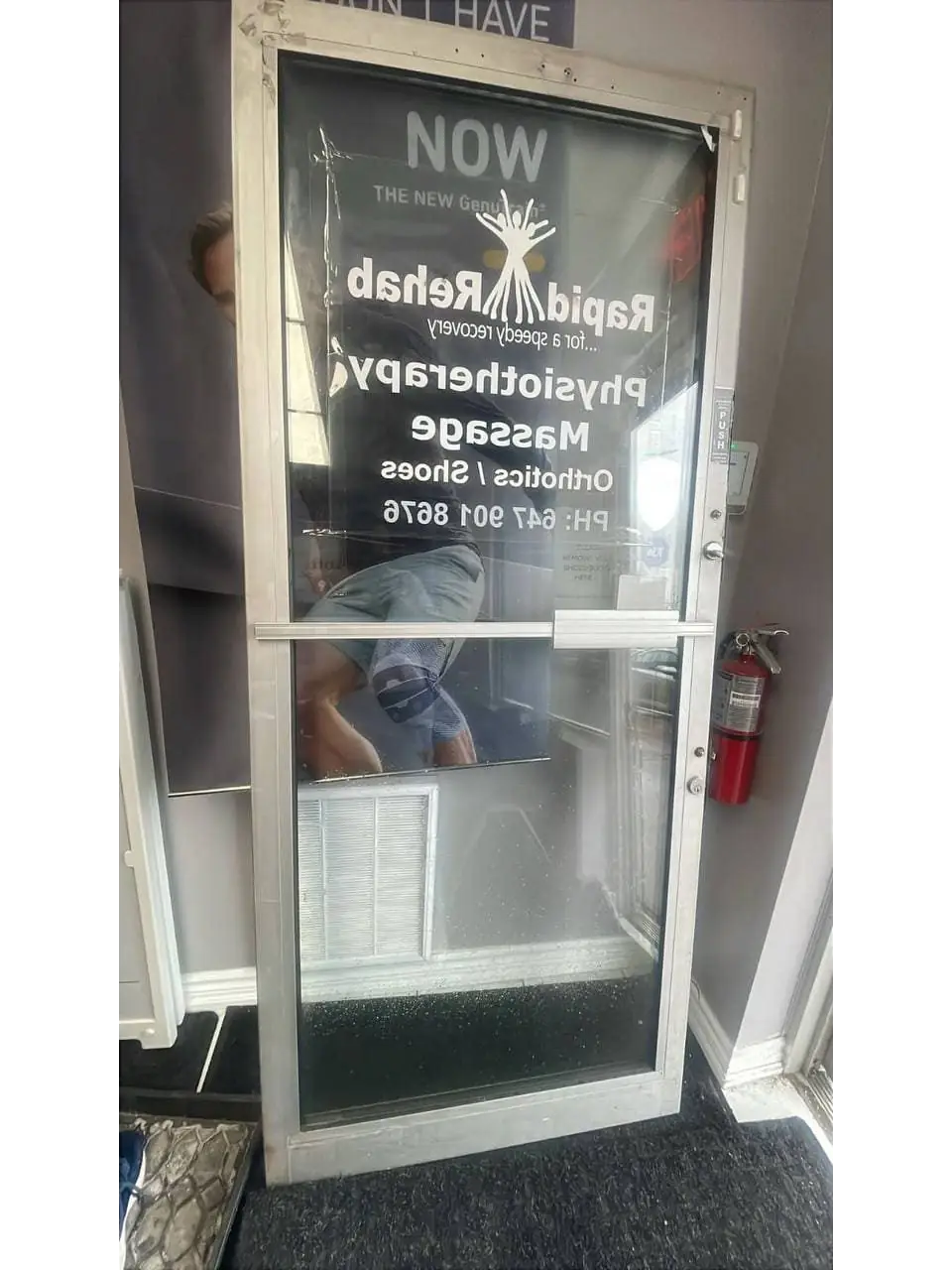
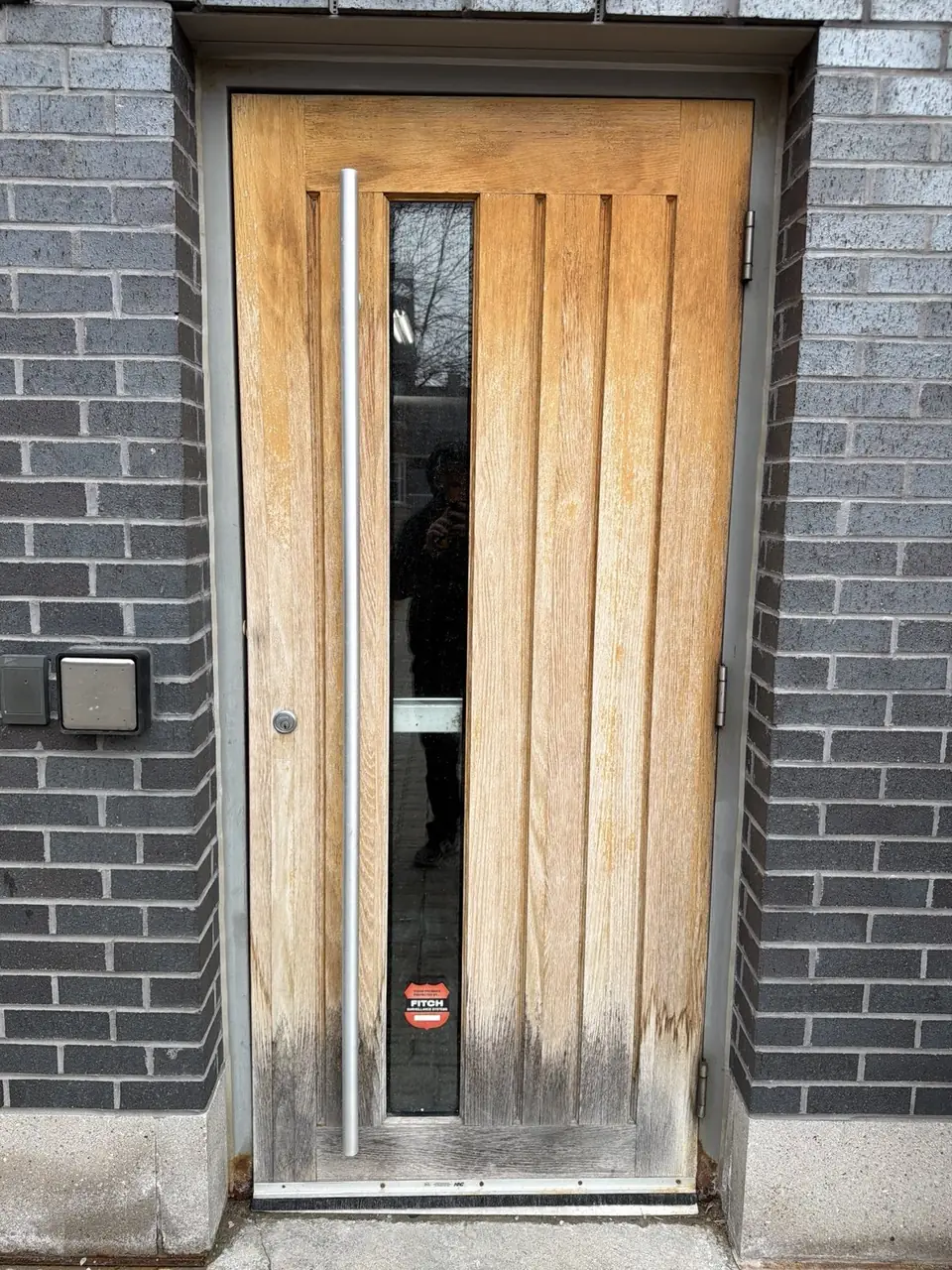
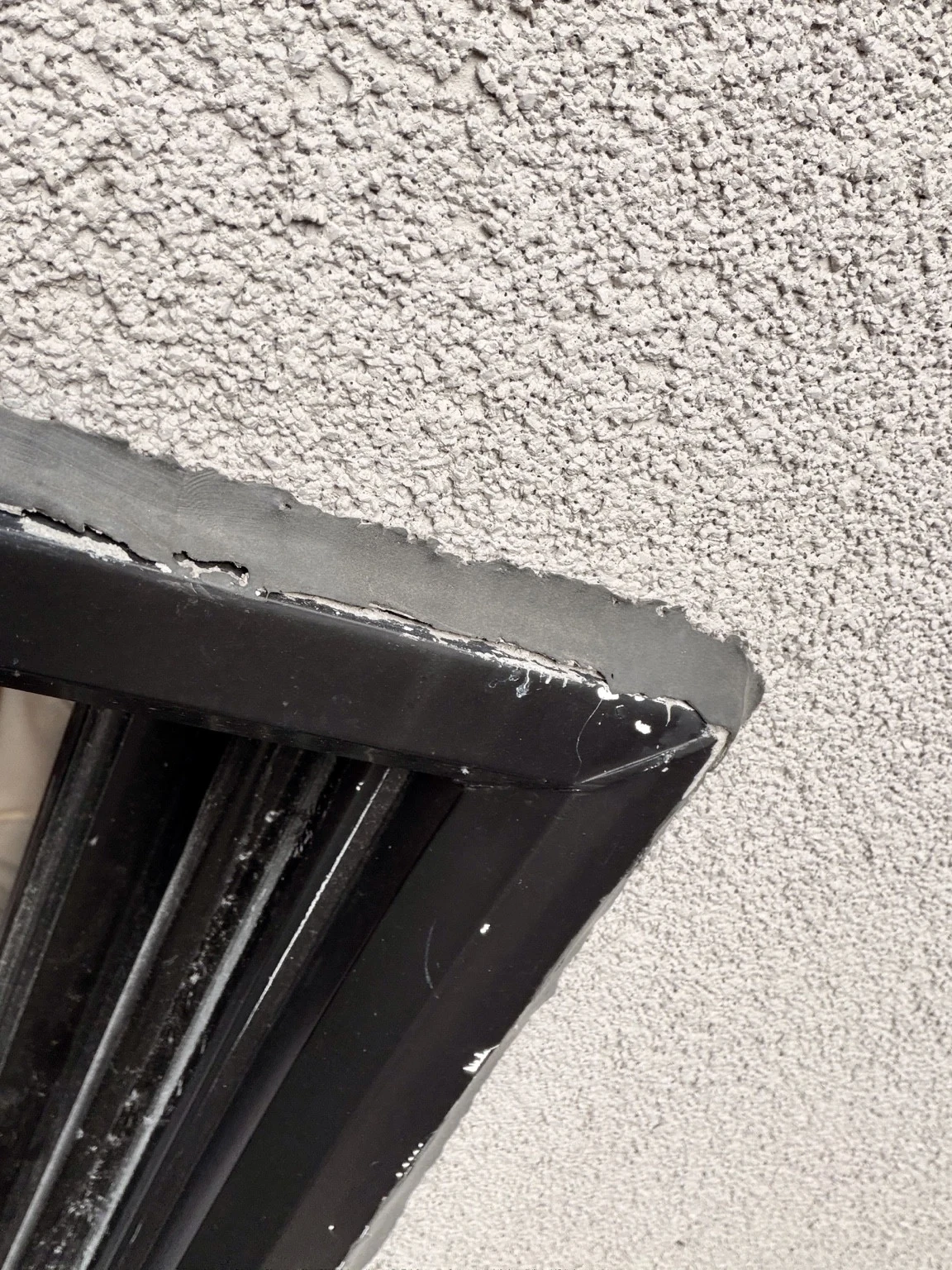
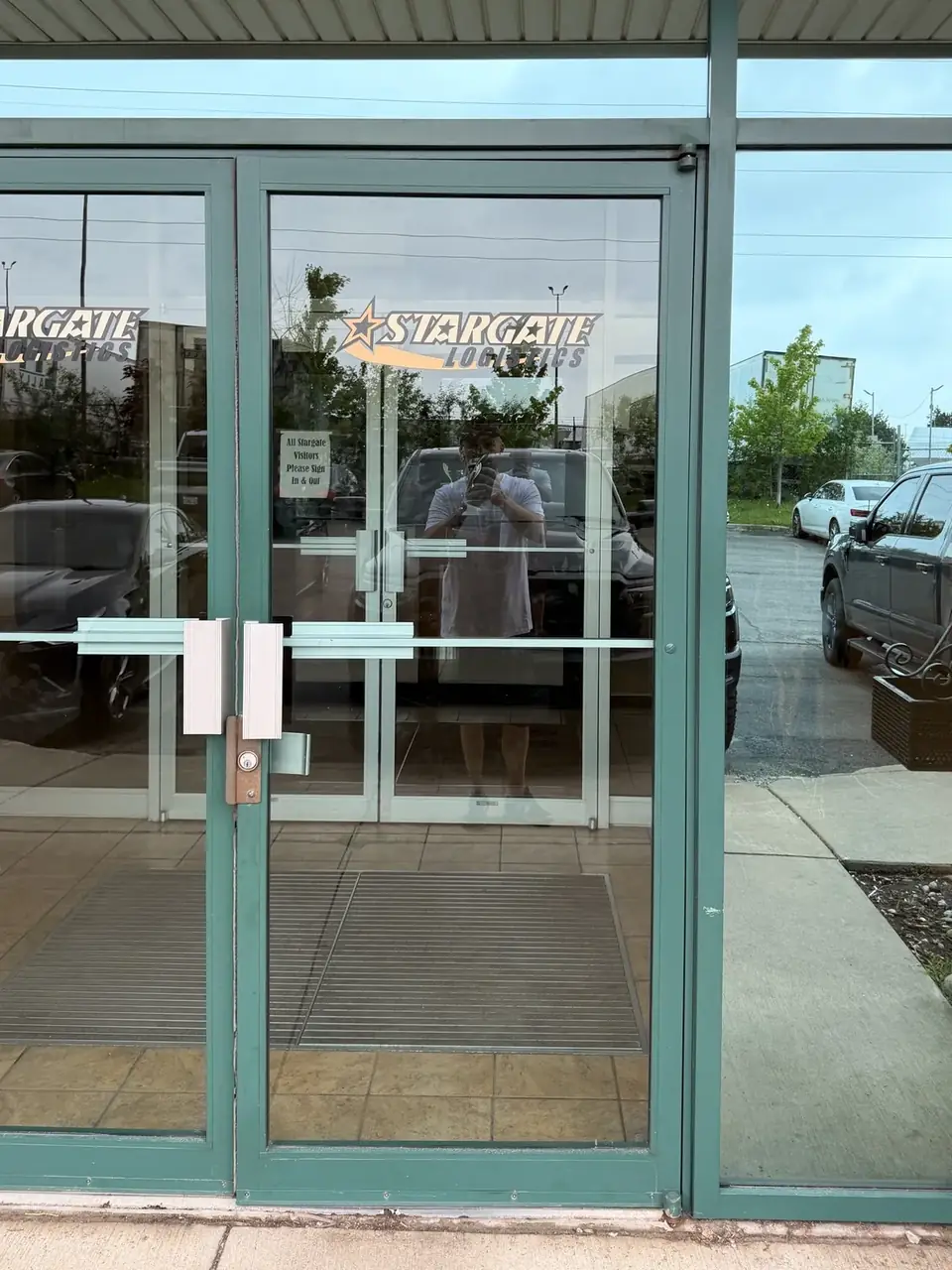 Before
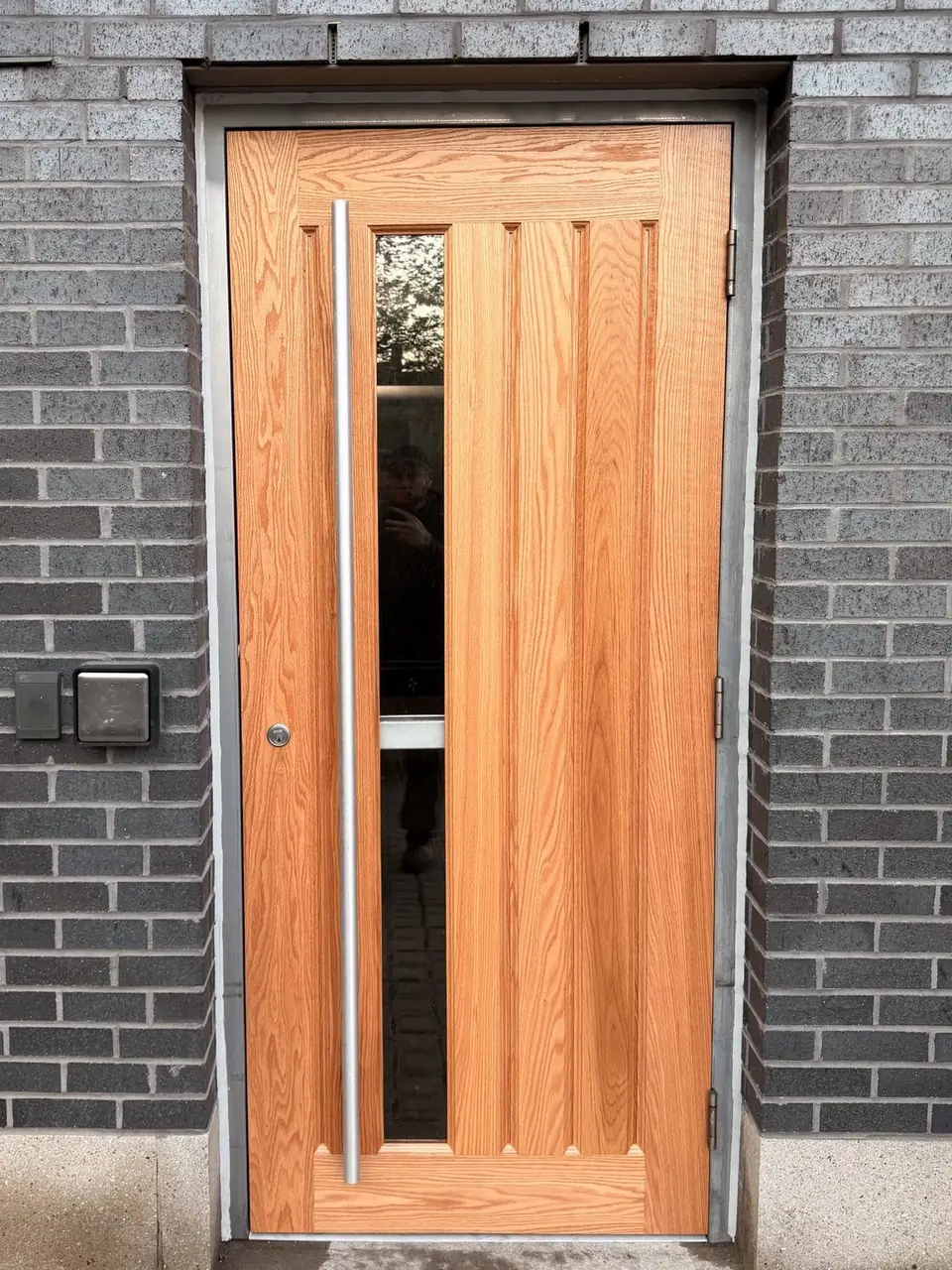
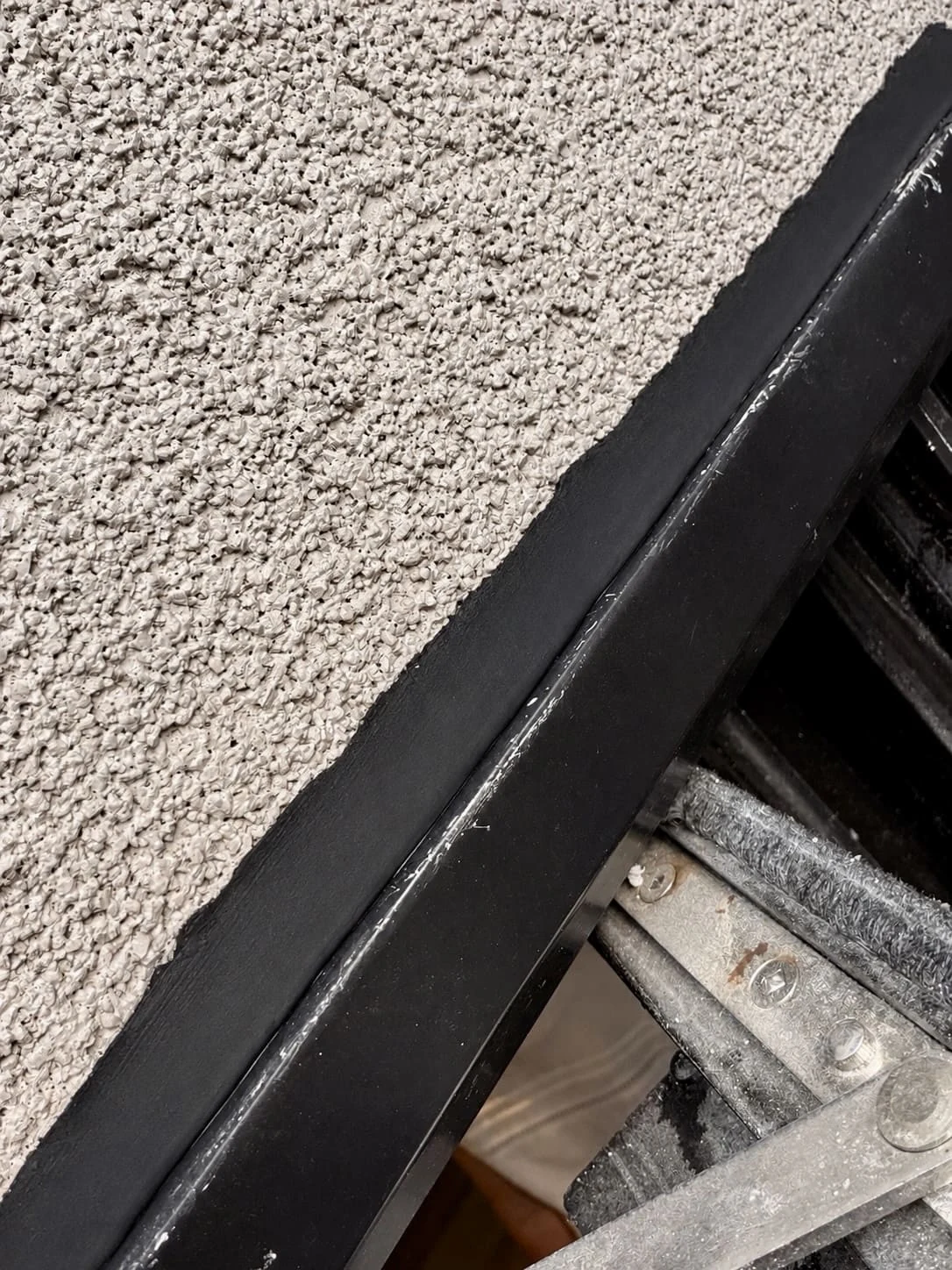
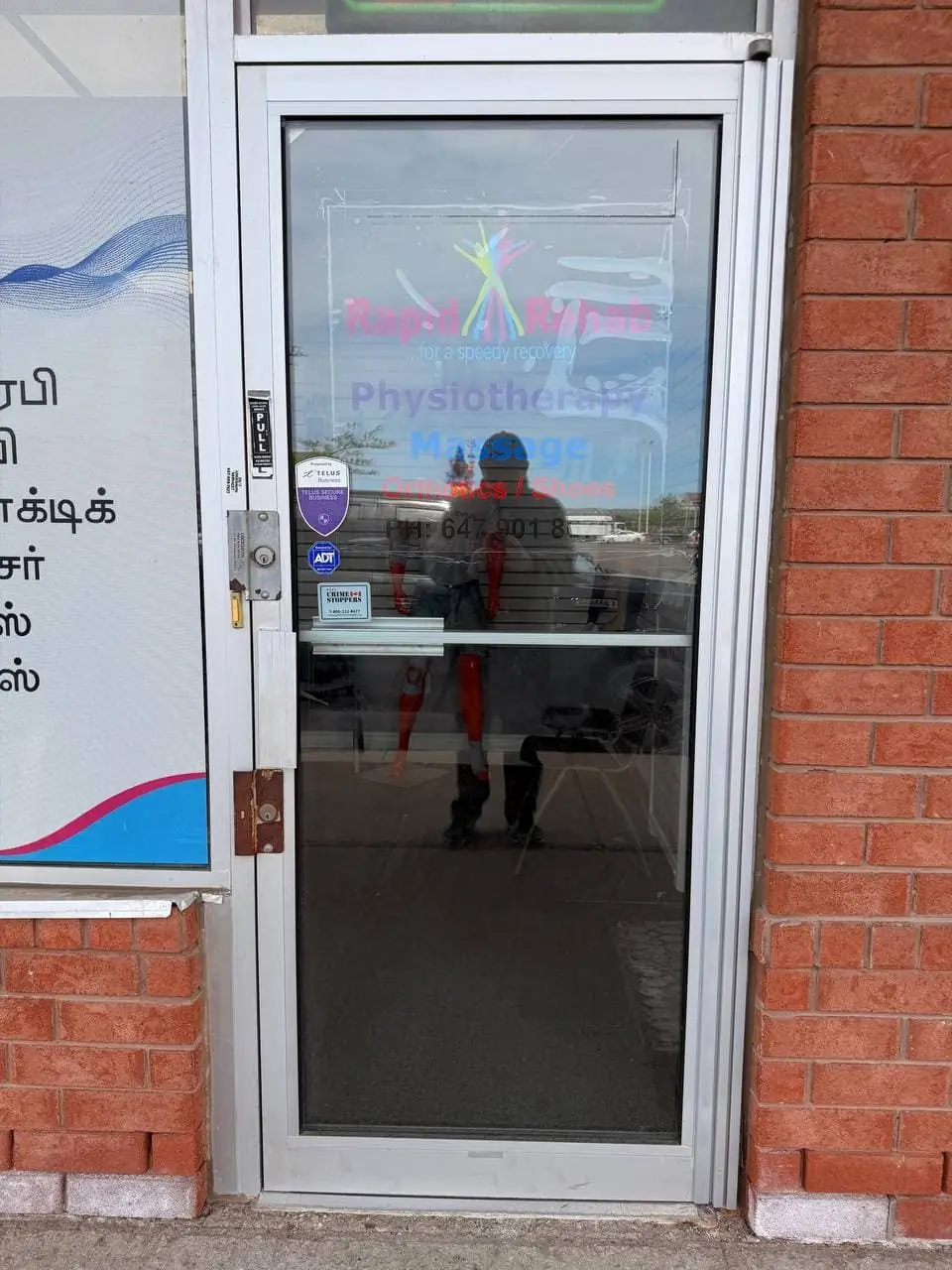
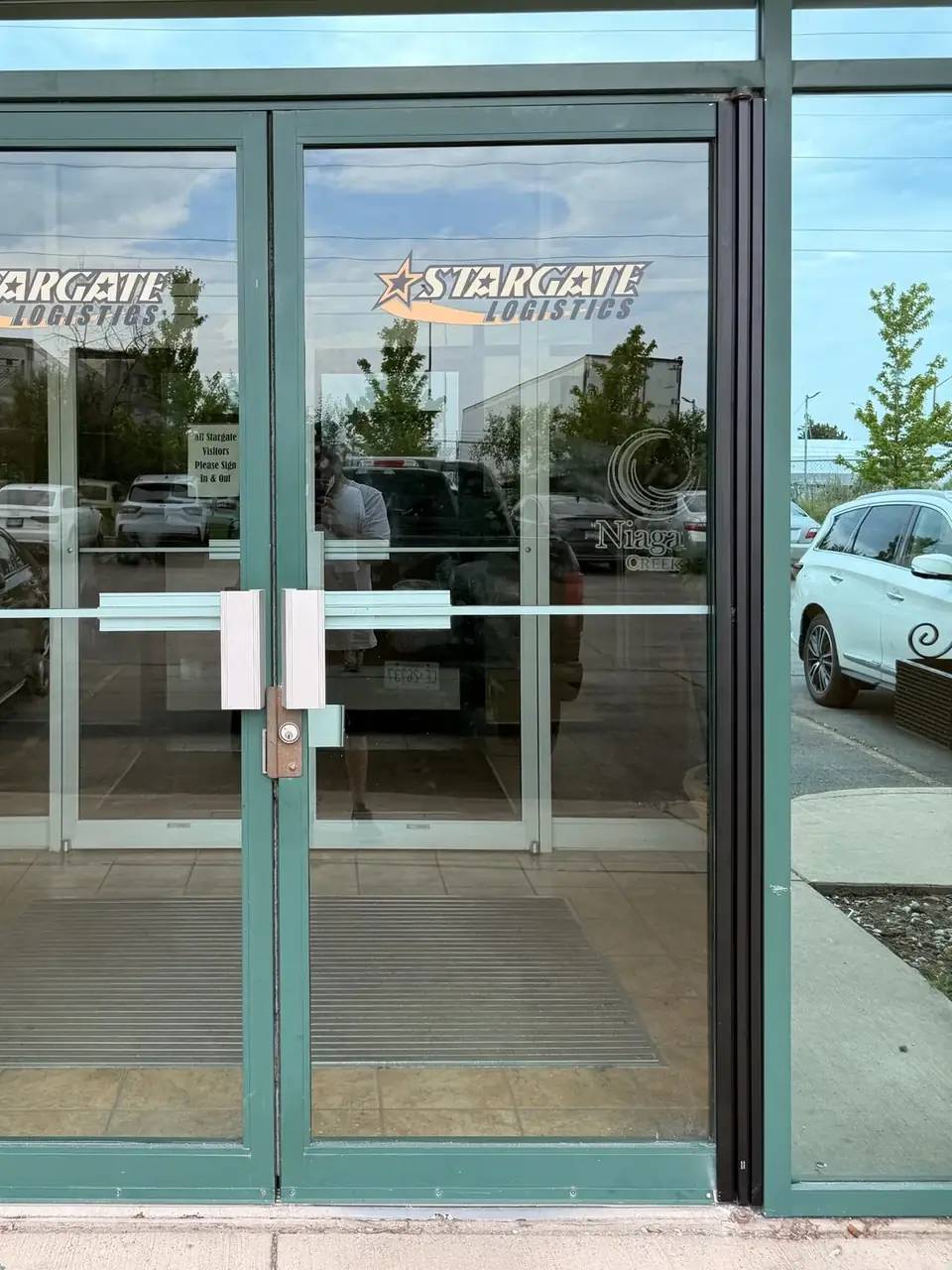 After